New Kitchen Cost Guide: Budgeting, Design Factors, and Real-World Examples
The cost of a new kitchen is one of the most frequently asked questions in home renovation. Kitchens are the heart of the home, combining design, function, and technology, but the price varies depending on layout, materials, and scale of renovation. Whether it’s a modest refresh or a full luxury remodel, understanding the factors that determine cost is essential for making informed decisions.
A new kitchen is more than just cabinetry and countertops. It involves planning, labor, appliances, finishes, and in some cases, structural changes. With proper budgeting and planning, homeowners can balance style, efficiency, and affordability while ensuring their investment enhances both daily living and property value.
Key Factors That Influence the Cost of a New Kitchen

Size and Layout of the Kitchen
The size of the kitchen is a primary driver of cost. Larger spaces require more cabinetry, countertops, and flooring, increasing material and labor expenses. Additionally, a kitchen with complex layouts like islands or open-concept designs often needs more customization, which impacts cost.
Even smaller kitchens, however, can incur significant costs if the design requires relocation of plumbing or electrical systems. Thus, both scale and layout must be carefully assessed before budgeting.
Materials and Finishes
From cabinets to countertops, the choice of materials significantly influences overall cost. Premium materials such as quartz, granite, or solid hardwood cabinetry raise expenses but offer durability and timeless appeal. Mid-range materials provide a balance between aesthetics and cost, while budget-friendly alternatives still deliver stylish results when thoughtfully designed.
Flooring, backsplashes, and lighting fixtures also play a role. For example, natural stone tiles cost more than ceramic, and custom lighting designs increase expenses compared to standard fixtures.
The Role of Technology in Kitchen Remodeling Costs

Digital Design and 3D Visualization
Modern kitchen remodels often start with digital design tools. These allow homeowners to preview layouts, experiment with color palettes, and visualize cabinetry and appliances before construction begins. By reducing design errors and clarifying expectations, these tools save both time and money in the long run.
Smart Appliances and Fixtures
Incorporating technology into kitchens can increase upfront costs but adds long-term benefits. Smart refrigerators, induction cooktops, and Wi-Fi-enabled ovens improve efficiency, while touchless faucets and integrated lighting systems enhance convenience. These investments contribute to both functionality and energy savings.
Project Management Platforms
Contractors now use digital project management systems to track budgets, timelines, and approvals. This reduces the likelihood of cost overruns and ensures homeowners remain updated throughout the remodel process, minimizing surprises.
Real-World Examples of New Kitchen Remodel Costs
Urban Apartment Kitchen Refresh
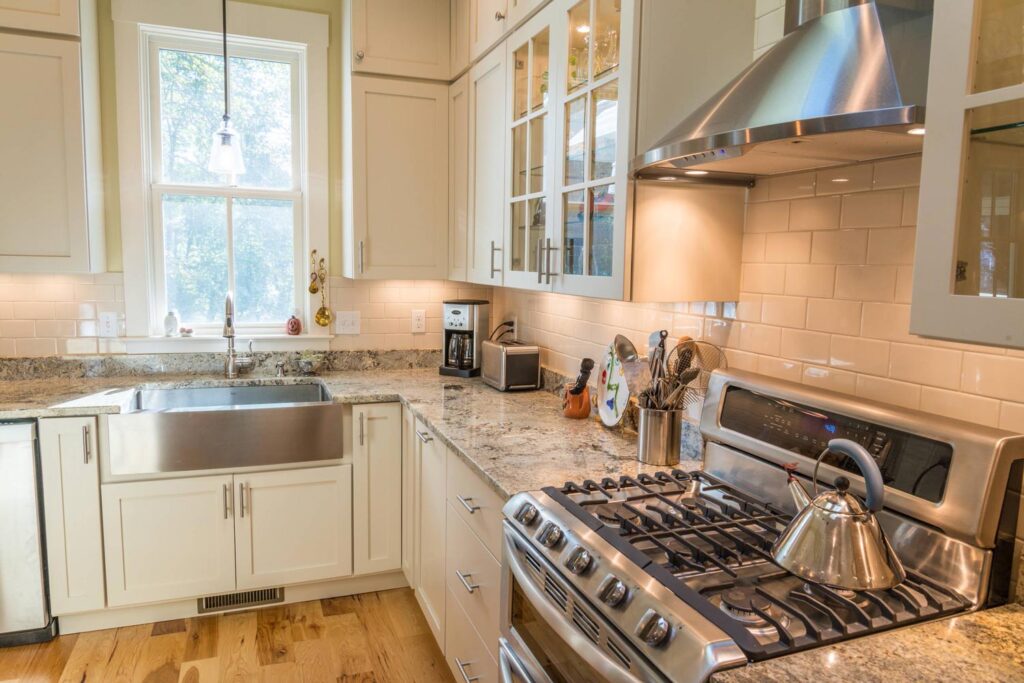
In a small city apartment, the kitchen remodel focused on maximizing space efficiency. The design included new cabinetry, laminate countertops, and energy-efficient appliances. Though modest in scale, the remodel dramatically improved functionality and created a more modern aesthetic, showcasing how even small kitchens can achieve impactful results without excessive costs.
Suburban Family Kitchen Upgrade
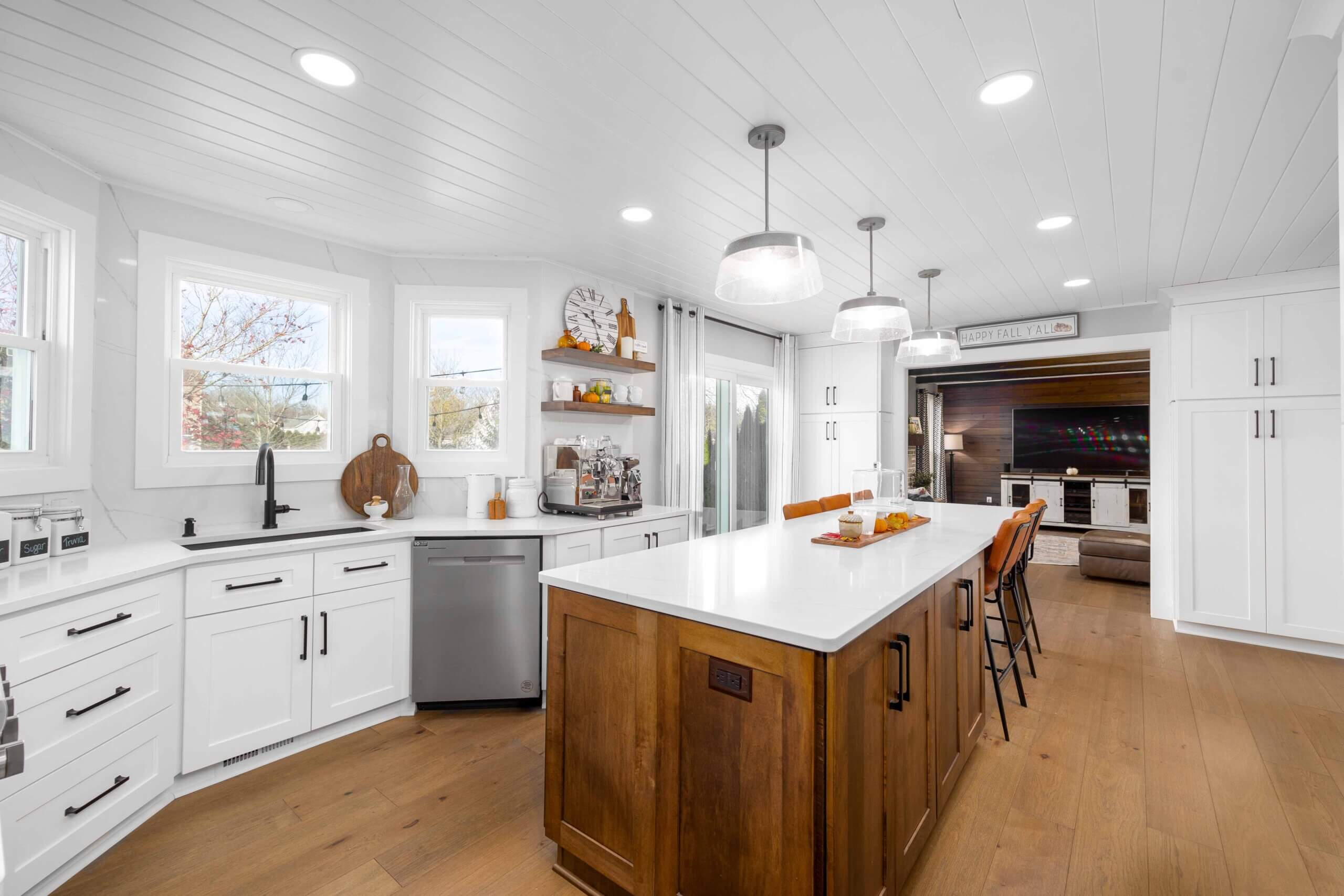
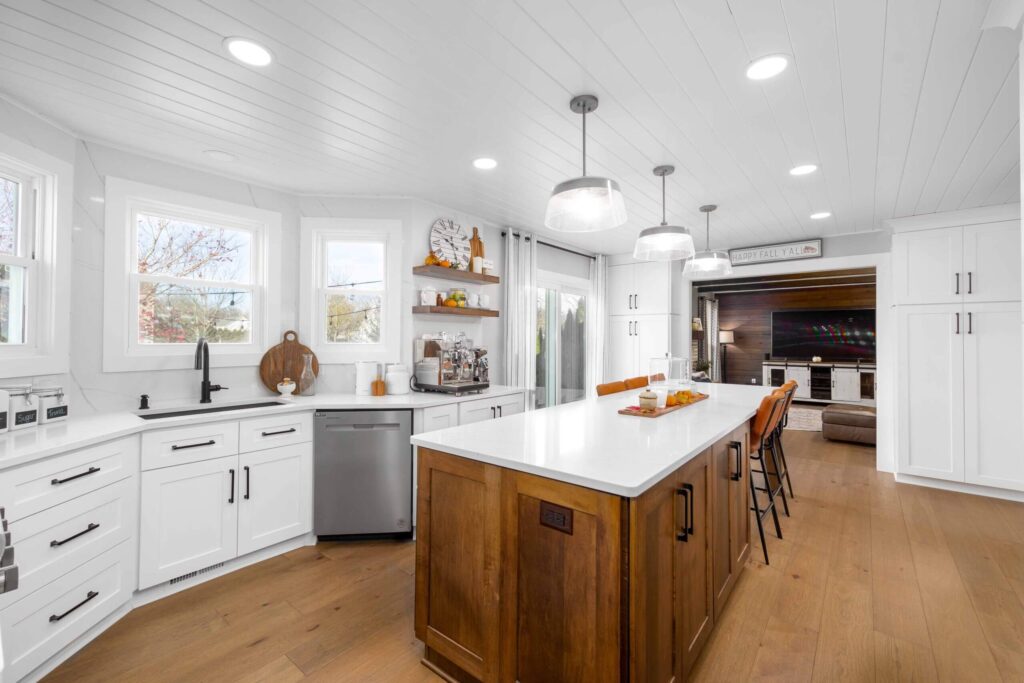
A family home remodel involved creating a large kitchen with an island, quartz countertops, and custom cabinetry. High-quality stainless-steel appliances were installed, along with modern pendant lighting. The project balanced luxury finishes with practical design, increasing both property value and family comfort.
Eco-Friendly Kitchen Remodel
An environmentally conscious remodel used bamboo cabinetry, recycled glass countertops, and energy-efficient appliances. While the upfront cost was slightly higher, the remodel reduced long-term utility expenses and aligned with sustainable living goals. This example highlights how material selection influences both cost and long-term benefits.
Luxury Designer Kitchen
In a high-end remodel, the homeowners opted for marble countertops, custom hardwood cabinetry, and top-tier smart appliances. The addition of built-in wine storage, a chef-grade stove, and ambient lighting transformed the kitchen into a statement space. Though the cost was significantly higher than average, the remodel created a lasting impact in terms of luxury and lifestyle.
Benefits of Investing in a New Kitchen
Enhanced Daily Functionality
A remodeled kitchen improves layout efficiency, storage solutions, and usability. Features like pull-out drawers, built-in organizers, and better lighting ensure daily routines are smoother and more enjoyable.
Increased Home Value
Kitchens consistently rank among the top renovations for return on investment. Even mid-range remodels can increase resale value, while luxury kitchens often serve as a major selling point.
Energy and Cost Savings
By investing in energy-efficient appliances, LED lighting, and sustainable materials, homeowners reduce long-term operating costs. Over time, these savings offset some of the initial remodel expenses.
Practical Use Cases of New Kitchen Remodels
Solving Outdated Design Challenges
Older kitchens often lack sufficient storage, counter space, or efficient layouts. A remodel addresses these issues by reconfiguring the design to fit modern living needs.
Adapting for Growing Families
As families expand, kitchens must adapt. Remodels can add islands, additional cabinetry, or open layouts to create more functional gathering spaces.
Aligning with Lifestyle Changes
Whether a homeowner wants a chef-inspired kitchen for entertaining or a minimalist design for simplicity, remodels align the space with evolving lifestyles.
Improving Safety and Accessibility
Remodels can address safety by updating old wiring, fixing plumbing, and adding slip-resistant flooring. Accessibility upgrades, such as lower countertops or wider walkways, make kitchens more inclusive.
Frequently Asked Questions
What is the average cost of a new kitchen?
Costs vary widely, ranging from modest remodels at lower budgets to luxury upgrades that can be significantly more expensive. Factors such as materials, appliances, and labor directly impact the final price.
How long does a new kitchen remodel take?
Timelines depend on project scope. Smaller remodels may take four to six weeks, while full-scale luxury renovations can extend to several months.
Is it worth investing in high-end appliances?
High-end appliances increase upfront costs but deliver durability, efficiency, and added features. For homeowners who cook frequently or entertain often, these appliances are a worthwhile long-term investment.