Mansion Building Plans: Design Insights, Technology Benefits, and Inspiring Examples
Designing a mansion requires far more than a large floor area; it demands a comprehensive plan that addresses aesthetics, functionality, and personalization at the highest level. Mansion building plans are blueprints for expansive residences that often feature multiple wings, entertainment spaces, wellness centers, and unique architectural statements.
Unlike conventional house plans, mansion designs aim to create homes that are both grand and intimate. They balance impressive proportions with comfortable living, ensuring residents enjoy spaces that are as practical as they are luxurious. Understanding mansion building plans is essential for appreciating how architects transform visions of grandeur into reality.
What Defines a Mansion Building Plan?
Scale and Layout Considerations
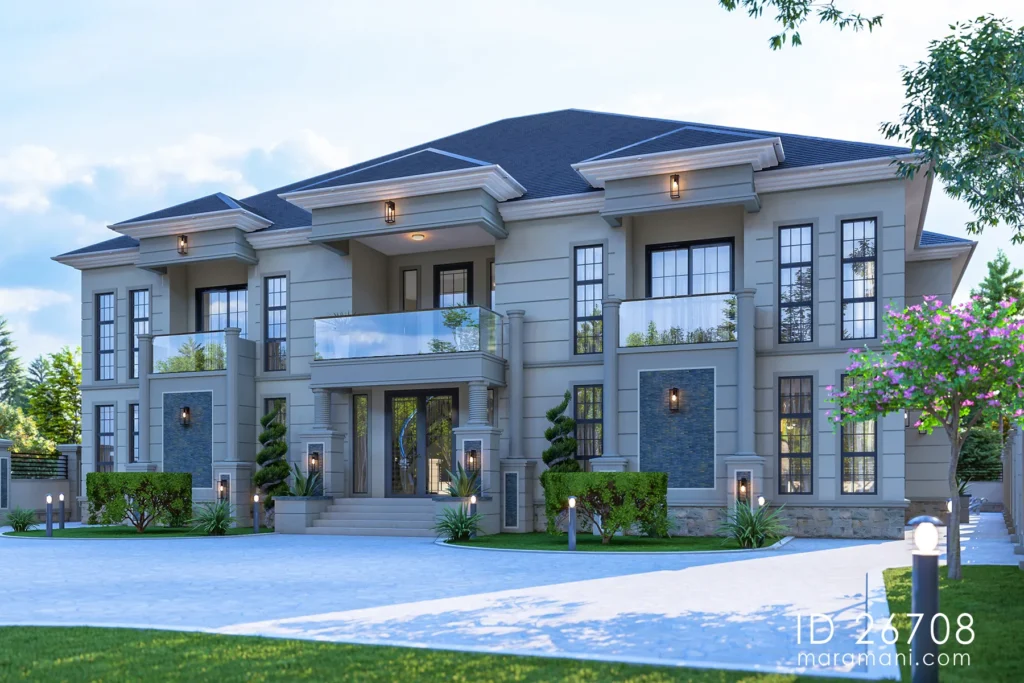
Mansion plans typically start at 8,000 square feet and can extend to tens of thousands. But size alone does not define a mansion. A well-designed plan incorporates wings for privacy, expansive public areas for entertaining, and secondary spaces like libraries, gyms, or staff quarters.
These layouts are designed to flow logically, ensuring that despite their size, mansions feel livable. Circulation paths, zoning of private versus public spaces, and integration of indoor-outdoor living all play vital roles in shaping effective plans.
Architectural Styles in Mansion Plans
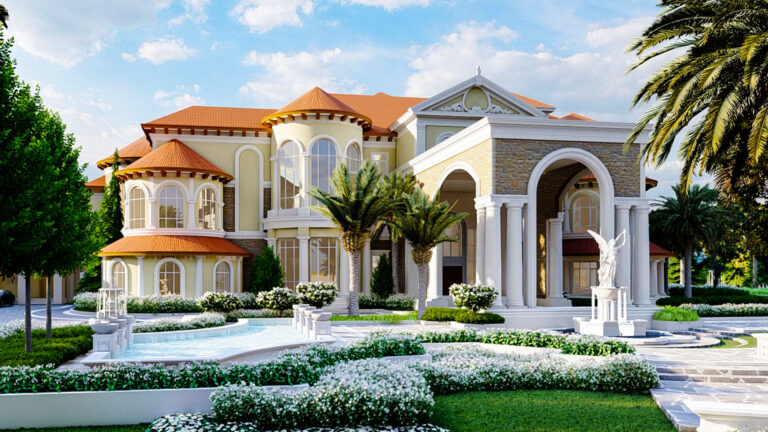
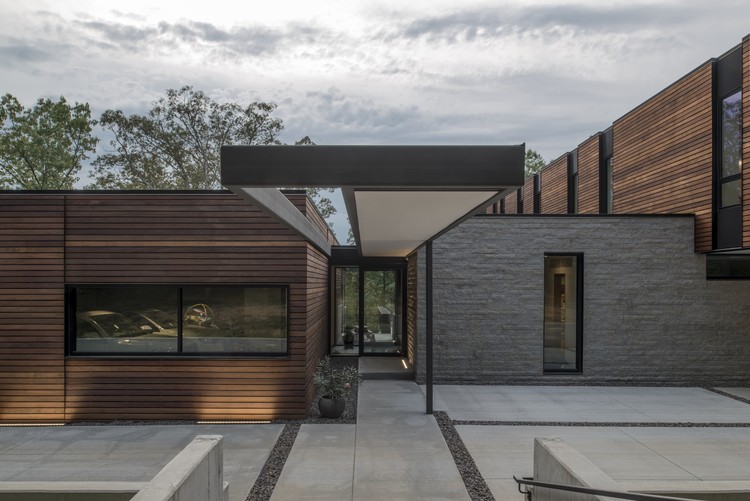
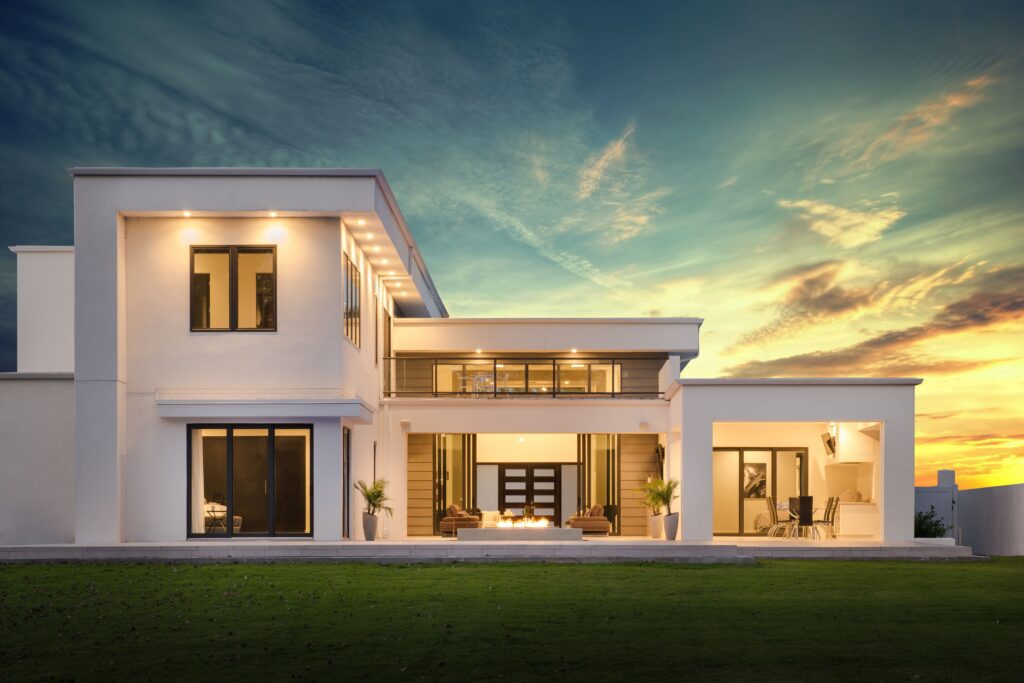
From classical European estates to sleek contemporary villas, mansion building plans embrace a range of styles. Traditional mansions may include ornate façades, formal gardens, and symmetrical layouts, while modern versions emphasize open spaces, glass walls, and minimalist elegance.
Each style influences not only the exterior look but also the interior arrangement. For example, Mediterranean-inspired plans may prioritize courtyards and verandas, while contemporary mansions focus on seamless indoor-outdoor transitions.
Benefits of Using Technology in Mansion Building Plans
Technology has revolutionized how mansion plans are created, visualized, and executed. Today’s architects employ 3D modeling and Building Information Modeling (BIM) to craft highly detailed plans that allow clients to virtually walk through their future homes before construction begins.
These tools reduce design errors, enhance collaboration, and allow for quicker revisions. Virtual reality integration takes it further by immersing clients in full-scale simulations of rooms, enabling real-time adjustments to design elements like lighting or materials.
Smart technologies also influence the plans themselves. Architects now integrate layouts for home automation systems from the very beginning, ensuring seamless control of climate, lighting, entertainment, and security. By planning for these systems early, technology enhances both luxury and convenience.
Real-World Examples of Mansion Building Plans
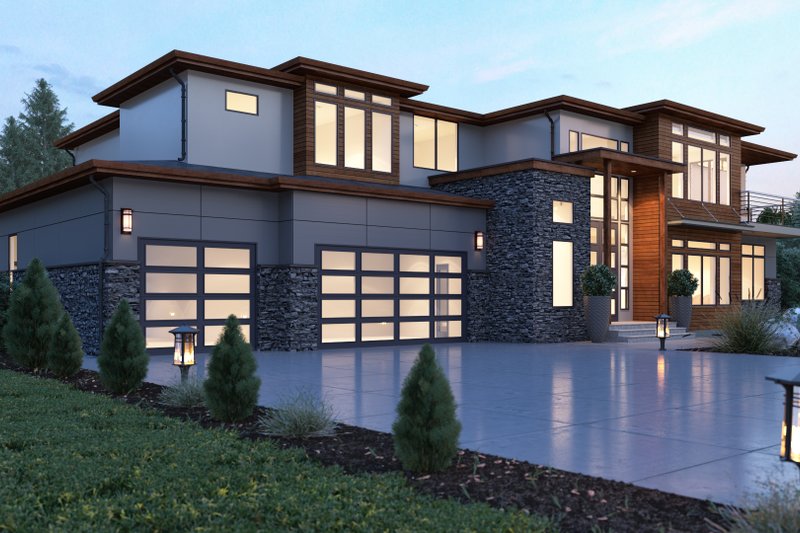
Beverly Hills Contemporary Mansion Plan
One of the most notable mansion plans is found in Beverly Hills, where contemporary designs dominate. A standout example includes a plan with expansive glass walls, infinity pools, underground garages, and rooftop entertainment spaces.
The design prioritizes luxury while maintaining functionality, with clear zoning between private bedrooms and entertainment areas. The inclusion of wellness centers, gyms, and spa rooms reflects the modern emphasis on lifestyle-oriented planning.
European Château-Inspired Mansion Plan
In Europe, château-inspired mansions often feature symmetrical wings, turrets, and grand staircases. A famous example in France highlights a plan that balances opulent ballrooms with intimate reading rooms and family quarters.
These plans emphasize tradition and heritage while accommodating modern amenities discreetly. The result is a harmonious blend of old-world grandeur and contemporary comfort.
Miami Waterfront Mansion Plan
Miami’s coastal mansions showcase another dimension of design, where waterfront views shape the building plan. These often include expansive terraces, floor-to-ceiling windows, and private docks.
The plans focus heavily on open layouts, maximizing natural light, and views of the ocean. Indoor-outdoor living is central, with seamless transitions from living rooms to poolside cabanas, demonstrating how mansion planning adapts to environment and lifestyle.
Dubai Desert Villa Mansion Plan
In Dubai, desert villas display bold architectural gestures, with large courtyards, shaded walkways, and water features integrated into the plan. These mansions balance luxury with climate adaptation.
Plans often include advanced cooling systems, thick walls for insulation, and shaded outdoor spaces to manage the desert heat. By incorporating cultural and environmental elements, they showcase how mansion building plans can be deeply contextual.
Aspen Mountain Retreat Mansion Plan
Mountain retreat mansions, such as those in Aspen, prioritize warmth and connection to nature. Plans often include expansive fireplaces, stone-and-wood construction, and panoramic windows framing snowy landscapes.
These mansions demonstrate how plans can combine ruggedness with sophistication. Features like ski-in/ski-out access, wine cellars, and entertainment lodges highlight the adaptability of mansion planning to unique lifestyles.
Benefits of Mansion Building Plans in Practice
Personalization at Every Level
Unlike standard home plans, mansion building plans allow for total customization. Homeowners can integrate art galleries, theaters, gyms, or music studios to reflect their passions. Each plan becomes a personal statement of identity and aspiration.
Enhancing Daily Living and Comfort
Mansion plans are not only about grandeur, ur they also improve daily life. Thoughtful circulation ensures efficiency, private retreats guarantee relaxation, and wellness spaces promote health. These benefits extend well beyond aesthetics, improving overall quality of life.
Long-Term Value and Legacy
Mansions designed with robust plans often become multigenerational homes. The level of craftsmanship and foresight embedded in the design ensures longevity, cultural significance, and strong property value over decades.
Sustainability and Efficiency
With proper planning, even the largest mansions can be energy-efficient. Plans that integrate passive cooling, renewable energy systems, and sustainable materials reduce environmental impact while maintaining comfort.
Use Cases of Mansion Building Plans
Hosting and Entertaining
Many mansion owners seek homes designed for hosting. Mansion building plans address this need by integrating banquet halls, guest suites, and expansive kitchens capable of handling large events without disturbing private living spaces.
Privacy for Large Families
For families seeking privacy, mansion plans provide wings or separate quarters. This allows multi-generational living while preserving independence and personal space for each member.
Integrating Work and Lifestyle
With the rise of remote work, mansion building plans often include fully equipped offices or even conference spaces. These allow homeowners to manage professional lives without leaving the estate, combining convenience with luxury.
Overcoming Challenging Sites
Whether on cliffs, coastlines, or mountainous terrain, mansion building plans demonstrate how architecture adapts to challenges. Instead of seeing sites as limitations, architects turn them into opportunities for breathtaking designs.
Frequently Asked Questions
What makes mansion building plans different from regular house plans?
Mansion plans are larger, more complex, and customized. They often include multiple wings, luxury amenities, and unique architectural features tailored to the homeowner’s lifestyle.
Do mansion building plans always follow a specific style?
No. Mansion plans range from classical château-inspired layouts to ultra-modern contemporary designs. The choice depends on personal preference, location, and cultural context.
How does technology influence mansion building plans today?
Technology enables advanced visualization through 3D modeling and VR, integrates smart home systems, and ensures efficient energy use. This results in homes that are both luxurious and sustainable.