Luxury Residential Architects – Complete Guide to Bespoke Design, Benefits, and Real-World Examples
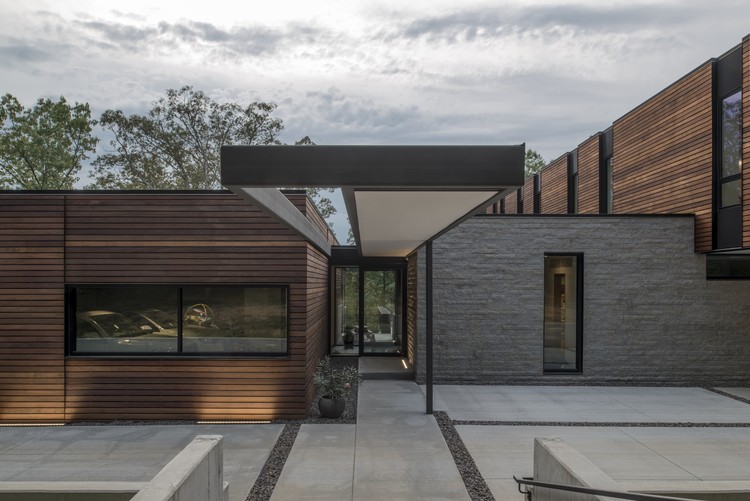
Luxury residential architects are specialists in designing homes that go beyond standard living spaces. Their work combines personalization, aesthetic beauty, and technical mastery to create residences that reflect the individuality of their clients. Unlike conventional architects, they focus on crafting bespoke environments that prioritize luxury, comfort, and innovation in equal measure.
These architects also consider broader elements such as sustainability, technology integration, and cultural context. As a result, their designs are not just homes but lifestyle statements—spaces where art, architecture, and functionality coexist seamlessly. The rise in demand for luxury residences has highlighted the value of architectural vision that is deeply personal yet universally admired.
Core Principles of Luxury Residential Architecture
Personalization and Lifestyle Expression
At the heart of luxury residential architecture lies personalization. Each project begins with an exploration of the client’s lifestyle, preferences, and aspirations. Luxury architects design homes that become an extension of the owner’s identity, whether through curated art spaces, private spas, expansive libraries, or wellness retreats.
This approach ensures that no two luxury residences are the same. Instead, each home tells a unique story, blending architectural precision with emotional resonance. The result is a dwelling that feels intimately tailored yet architecturally significant.
Balance of Functionality and Aesthetics
Luxury is not defined by visual impact alone; it also includes practicality and durability. Luxury residential architects carefully balance beauty with functionality, ensuring that every feature serves both a practical and aesthetic purpose.
For example, open floor plans may create grandeur, but zoning ensures privacy. Expansive glass panels provide breathtaking views, while energy-efficient technologies regulate temperature. This integration of form and function ensures homes remain beautiful, livable, and relevant for decades.
Benefits of Working with Luxury Residential Architects
Innovation Through Technology
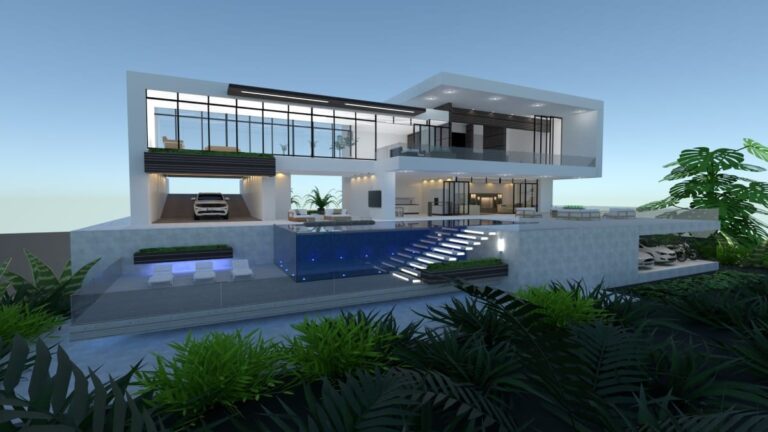
Technology has become indispensable in luxury residential architecture. Architects employ 3D modeling, virtual reality (VR) walkthroughs, and AI-assisted simulations to present clients with immersive previews of their homes. This makes the design process more collaborative and reduces the risk of miscommunication.
Smart home features also play a pivotal role. Automated lighting, climate control, energy-efficient systems, and advanced security solutions are seamlessly integrated into the architectural framework. These technologies elevate comfort and efficiency without compromising on design elegance.
Long-Term Value and Durability
Working with luxury residential architects ensures that a home is built to last. High-quality materials and advanced construction techniques are standard in their projects. These choices guarantee resilience against wear, climate, and time.
Additionally, a well-designed luxury residence can appreciate significantly in value. Homes crafted by renowned architects often become architectural landmarks, adding financial and cultural prestige for generations to come.
Real-World Examples of Luxury Residential Architects’ Work
Example 1: Zaha Hadid Architects – The Capitol Hill Residence
Located in Moscow, the Capitol Hill Residence, designed by Zaha Hadid Architect, is a striking example of futuristic luxury architecture. The residence combines sweeping curves with bold geometric structures, creating a home that looks more like a sculpture than a building.
What makes this project extraordinary is its deep integration with nature. With glass walls that open up to surrounding forests and interiors filled with natural light, the residence redefines luxury living by harmonizing technology, art, and environment.
Example 2: Richard Meier – The Bodrum Villa
Richard Meier’s Bodrum Villa in Turkey is a masterclass in minimalism and contextual design. White facades, panoramic terraces, and seamless indoor-outdoor transitions make it an icon of understated elegance.
This project demonstrates how luxury can be expressed through simplicity. Instead of excess, the villa focuses on openness, natural light, and harmony with its coastal surroundings. It embodies how luxury residential architects can create sophistication through balance and restraint.
Example 3: Olson Kundig – Costa Rica Tropical Retreat
Olson Kundig’s tropical retreat in Costa Rica shows how luxury and sustainability can coexist. The home incorporates retractable walls, open-air living areas, and eco-friendly materials that respond to the environment.
This example highlights how contemporary luxury architecture is increasingly tied to ecological responsibility. It proves that high-end living can embrace environmental harmony while offering unparalleled comfort and style.
Example 4: Tadao Ando – Osaka Glass House
Tadao Ando’s Glass House in Osaka demonstrates a minimalist yet luxurious approach to residential architecture. Using concrete, water features, and expansive glass, Ando creates a serene environment where silence, space, and light become defining elements.
This project illustrates how luxury residential architects are not just designing homes but crafting profound experiences. Ando’s work exemplifies architecture as a spiritual and artistic pursuit, elevating the idea of what a residence can represent.
Use Cases of Luxury Residential Architects
Solving Modern Lifestyle Challenges
Luxury residential architects address the complex demands of contemporary living. Families today often require multifunctional spaces, such as home offices, wellness centers, and entertainment areas that adapt to different needs.
For instance, a custom-designed office integrated with natural lighting and acoustic optimization provides productivity for remote workers while maintaining elegance. Similarly, wellness areas like private spas and meditation zones help balance modern, fast-paced lifestyles.
Sustainable Luxury Homes
As sustainability becomes essential, luxury architects are leading the way by designing eco-conscious residences. Features like solar panels, rainwater harvesting, and green roofing systems reduce environmental footprints without compromising luxury.
This use case demonstrates how clients no longer have to choose between indulgence and responsibility. Luxury residential architects deliver both, offering residences that are as sustainable as they are beautiful.
Generational and Legacy Residences
Luxury homes often serve as family legacies. Architects create timeless designs with durable materials, ensuring the residence remains relevant for generations. This focus on legacy transforms houses into heritage, blending architectural excellence with family history.
Such homes are more than property; they become symbols of identity, continuity, and prestige, passed down through time.
Frequently Asked Questions
1. What distinguishes luxury residential architects from standard residential architects?
Luxury residential architects specialize in bespoke, high-end projects that prioritize personalization, aesthetics, and long-term value. Their work integrates advanced technology, sustainable practices, and unique designs tailored to clients’ lifestyles.
2. Do luxury residential architects always design modern-style homes?
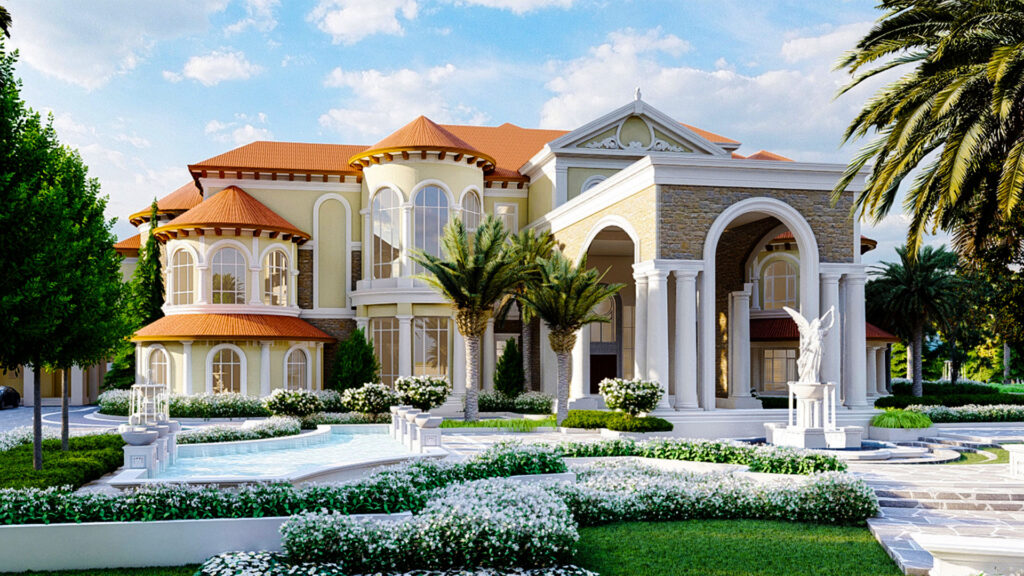
No. While many focus on modern and contemporary styles, luxury residential architects also design classical, Mediterranean, minimalist, or hybrid residences depending on client preferences and the project’s context.
3. Are luxury residential homes designed to be eco-friendly?
Yes, sustainability is increasingly central to luxury architecture. Many luxury residential architects incorporate energy-efficient layouts, renewable energy sources, and environmentally conscious materials into their designs.