Kitchen Renovation Guide: Expert Ideas, Benefits, and Real-World Inspirations
A kitchen renovation is one of the most transformative home improvement projects a homeowner can undertake. Beyond updating appearances, it involves rethinking layouts, improving efficiency, and integrating modern technology to enhance everyday living. Renovation is not just about replacing cabinets and countertops; it’s about designing a space that meets functional needs while expressing personal style.
Unlike minor updates such as repainting or changing hardware, a full kitchen renovation can include restructuring layouts, upgrading appliances, modernizing lighting, and reconfiguring storage. This makes it a project that significantly impacts both daily routines and the overall value of a home.
Essential Components of a Kitchen Renovation
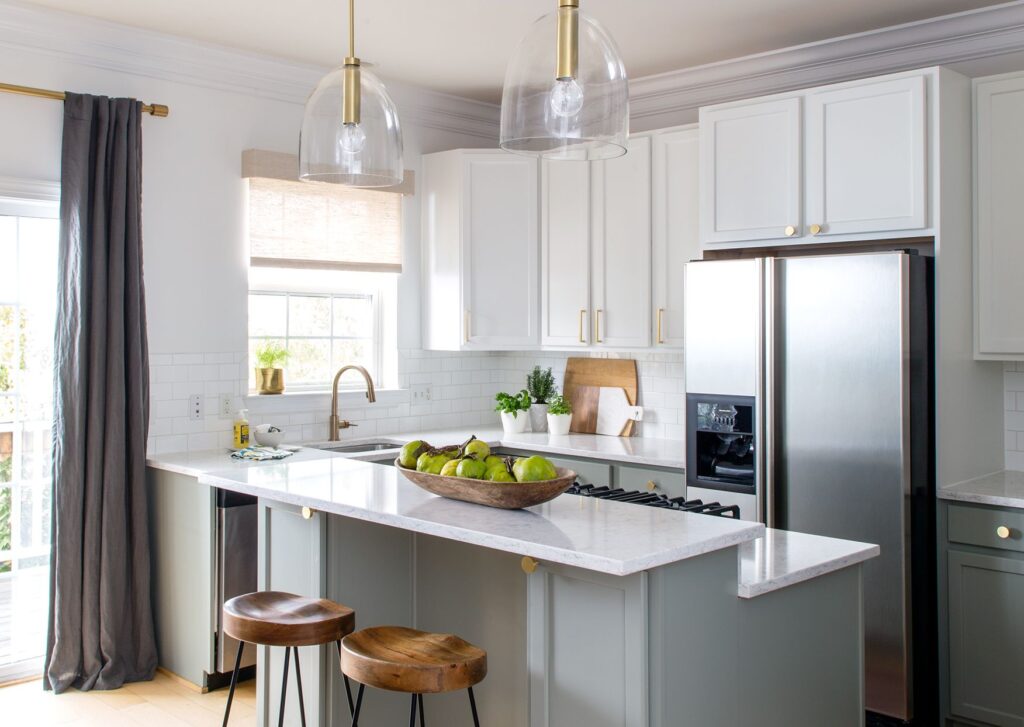
Several core elements define a successful renovation. Each component should balance functionality, durability, and style to create a cohesive kitchen space.
Layout and Workflow
The layout is the foundation of every kitchen renovation. A well-planned kitchen workflow ensures that cooking, cleaning, and storage are all conveniently aligned. Popular layouts include L-shaped, U-shaped, galley, and open-concept designs. Each option has distinct advantages depending on the size and function of the space.
A kitchen’s “work triangle,” the efficient placement of the sink, stove, and refrigerator, remains a guiding principle in renovations. Modern designs also incorporate additional zones for meal prep, casual dining, and social interaction. By rethinking the layout, homeowners can turn the kitchen into a central hub of activity and comfort.
Cabinetry and Storage
Cabinetry is not only a visual focal point but also the backbone of kitchen storage. Renovations often include custom or semi-custom cabinets designed to maximize vertical and horizontal space. Options such as soft-close hinges, pull-out drawers, and built-in organizers increase convenience while maintaining a polished look.
Smart storage solutions like hidden pantries, under-island shelving, and appliance garages reduce clutter. By tailoring cabinetry to specific needs, homeowners can ensure the kitchen remains practical and visually appealing for years to come.
Countertops and Surfaces
Countertops are one of the most frequently used areas in any kitchen, making material selection critical. Renovations often incorporate durable surfaces such as quartz, granite, or engineered stone. These not only withstand daily wear but also contribute to the overall aesthetic.
Surfaces must balance resilience with design. For instance, quartz countertops provide stain resistance and require minimal maintenance, while natural stone adds timeless elegance. The choice of surface material significantly influences both function and style in a kitchen renovation.
Lighting and Ambiance
Lighting plays a crucial role in both safety and atmosphere. Renovated kitchens typically combine task lighting, ambient lighting, and accent lighting for layered effects. Under-cabinet LEDs illuminate countertops, pendant lights highlight islands, and recessed fixtures provide general brightness.
Good lighting transforms kitchens into multifunctional spaces where cooking, dining, and entertaining seamlessly coexist. Renovations provide the opportunity to integrate energy-efficient lighting that saves costs while enhancing ambiance.
Appliances and Technology
Modern appliances are the heartbeat of a renovated kitchen. Beyond functionality, they bring efficiency and convenience through technology. Smart refrigerators, induction cooktops, and advanced ovens with precision cooking functions redefine the way people prepare meals.
These upgrades not only make daily routines smoother but also support sustainable living by reducing energy consumption. Renovating the kitchen creates an opportunity to adopt appliances that align with future-forward lifestyles.
Real-World Examples of Kitchen Renovations
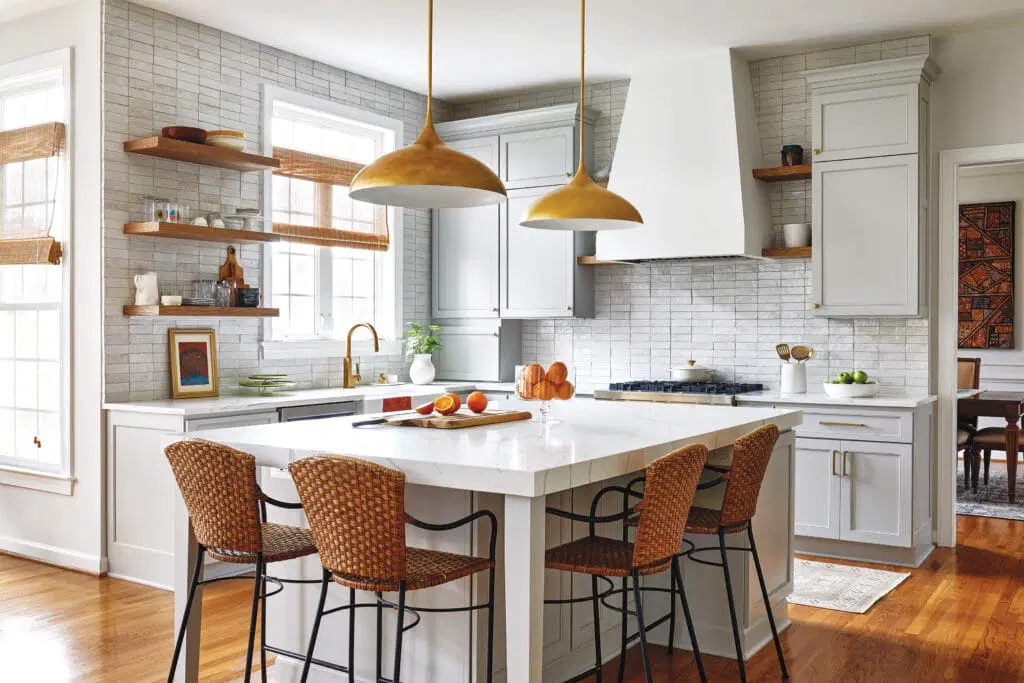
Open-Concept Kitchen with Island
An open-concept renovation transforms traditional closed kitchens into spacious, multifunctional areas. Adding a central island becomes a focal point, providing extra prep space, casual seating, and integrated storage. The island also enhances the social aspect, allowing family and guests to interact with the cook seamlessly.
This renovation style demonstrates how layout changes can dramatically improve both function and experience. Open-concept kitchens are especially popular in modern homes, turning cooking into a shared activity.
Smart Kitchen with Connected Appliances
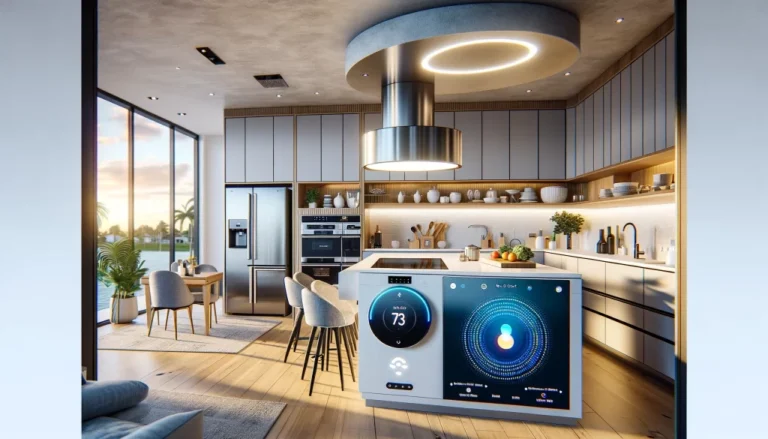
A renovation that integrates smart technology creates a kitchen tailored for convenience. Examples include refrigerators that track food freshness, ovens that connect to mobile apps for remote monitoring, and faucets with motion-sensor controls.
This example highlights how technology-driven renovations enhance both efficiency and sustainability. It shows how modern appliances can reduce waste, save energy, and simplify everyday tasks while adding a futuristic touch to the home.
Contemporary Minimalist Design
Minimalist kitchen renovations focus on clean lines, neutral tones, and uncluttered surfaces. Handleless cabinets, hidden storage, and seamless appliances create a sleek aesthetic. Quartz or concrete countertops paired with subtle lighting complete the look.
This renovation style emphasizes function and simplicity while maintaining elegance. It’s particularly effective for small spaces where maximizing efficiency and visual openness is essential.
Farmhouse-Inspired Kitchen
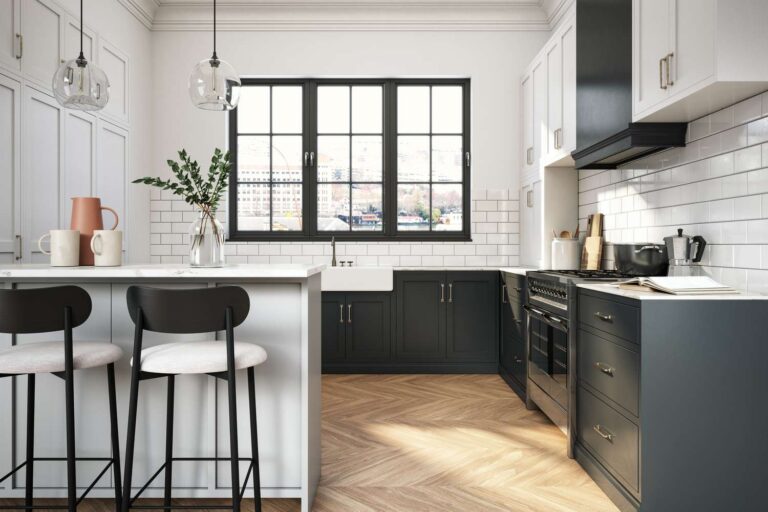
Farmhouse kitchens bring warmth and tradition into modern renovations. Features include apron-front sinks, rustic wooden beams, shaker cabinets, and vintage-inspired fixtures. Combining classic design with updated appliances ensures a balance of nostalgia and practicality.
This example shows how renovation can preserve character while introducing modern comfort. Farmhouse-inspired kitchens remain timeless, appealing to homeowners who want a cozy yet functional space.
Benefits of Kitchen Renovation
Boosted Property Value
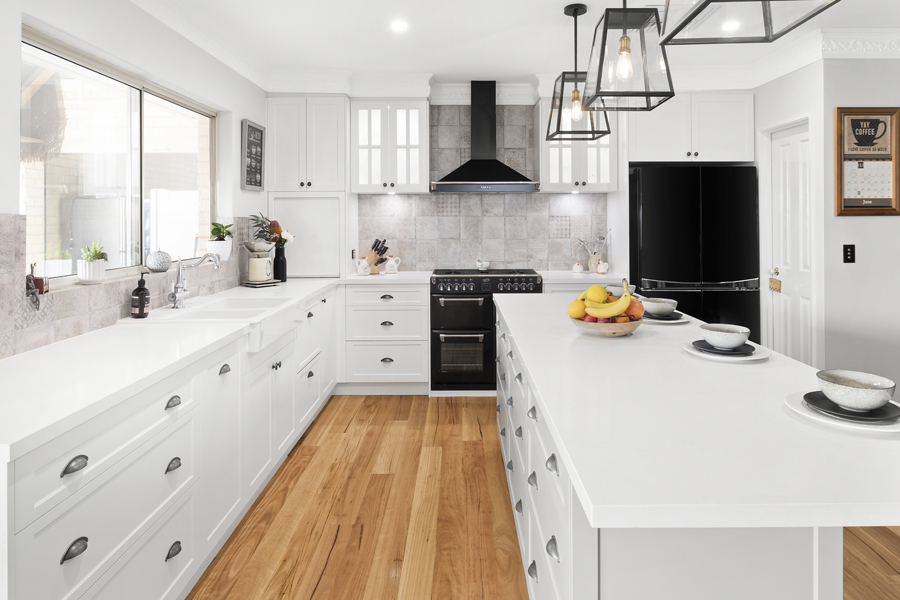
A well-renovated kitchen is a key selling point in real estate. Potential buyers often view kitchens as a reflection of the home’s overall quality. By updating layouts, finishes, and appliances, homeowners significantly increase resale value.
Improved Functionality and Workflow
Renovations solve practical problems such as insufficient counter space, poor lighting, or awkward layouts. An updated kitchen provides smoother workflows, making cooking and cleaning less stressful and more efficient.
Enhanced Sustainability
Energy-efficient appliances, LED lighting, and sustainable materials contribute to eco-friendly living. Renovations allow homeowners to adopt solutions that reduce long-term environmental impact while cutting utility bills.
Personalized Comfort and Style
A renovation tailors the kitchen to individual preferences. From rustic farmhouse themes to modern smart kitchens, renovations reflect personal taste while ensuring practical comfort. The result is a space that feels uniquely yours.
Practical Use Cases of Kitchen Renovations
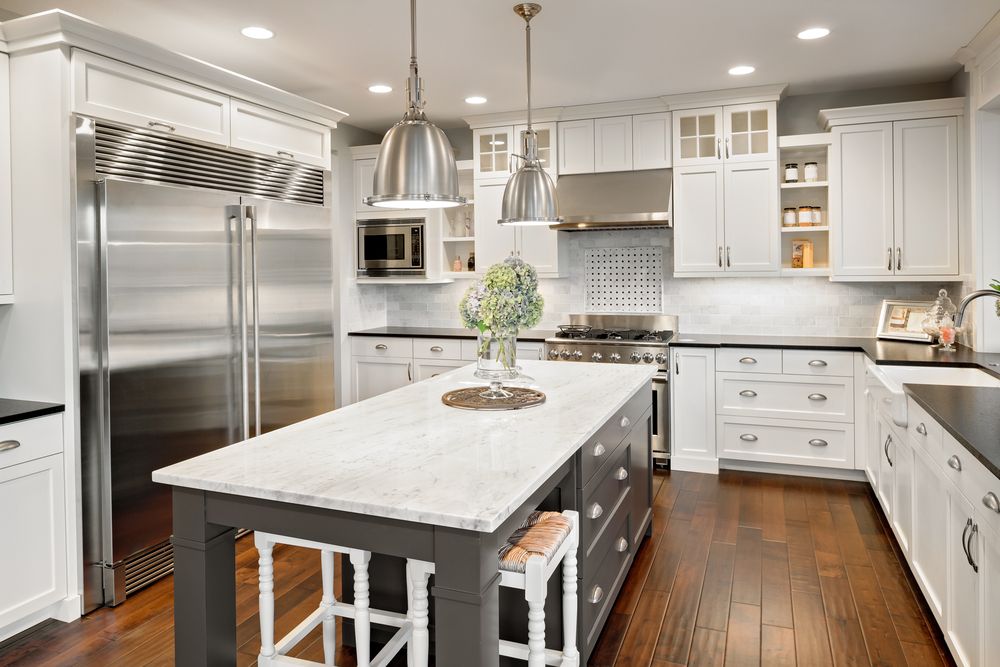
Kitchen renovations address real-world needs and improve daily life.
-
Growing Families: Adding storage, larger islands, and durable surfaces helps accommodate more people and activity.
-
Entertaining Spaces: Open layouts with islands or bar seating make it easier to host gatherings.
-
Aging in Place: Renovations can include accessible features such as lower countertops, easy-to-reach storage, and wider pathways.
-
Small Space Solutions: For compact homes, renovations focus on maximizing every inch with smart cabinetry and multifunctional designs.
These use cases highlight how kitchen renovations solve everyday challenges while adapting to changing lifestyles.
Frequently Asked Questions
1. How long does a kitchen renovation take?
The duration varies depending on the scope. Minor updates may take 3–4 weeks, while full renovations involving layout changes and custom cabinetry can last 8–12 weeks. Careful planning helps minimize disruption.
2. What is the average cost of a kitchen renovation?
Costs depend on materials, size, and design complexity. A mid-range renovation may average $25,000 to $50,000, while luxury projects can exceed $100,000. Setting priorities and budgeting carefully ensures cost-effectiveness.
3. Do I need a professional for a kitchen renovation?
While cosmetic changes may be DIY-friendly, major renovations involving plumbing, electrical, and structural work require licensed professionals. Contractors and designers provide expertise that ensures quality and safety.