Kitchen Remodel Cost Guide: Breakdown, Factors, and Real-World Examples
A kitchen remodel is one of the most significant investments in home improvement, and understanding the cost is crucial before starting the project. Unlike simple cosmetic updates, a remodel often involves new cabinetry, upgraded appliances, flooring, lighting, and sometimes even layout changes. Each of these elements contributes to the overall budget, making the kitchen remodel cost a central consideration for homeowners.
The cost of a remodel varies widely depending on location, materials, labor, and project scope. While some remodels focus on minor updates, others involve complete transformations requiring structural changes and advanced technology integration. Homeowners should approach the budget with a clear understanding of priorities and the potential return on investment.
Key Factors That Influence Kitchen Remodel Cost

Several components contribute to the overall expense of remodeling a kitchen. Knowing these factors helps in planning a realistic budget.
Size and Layout of the Kitchen
The size and configuration of the kitchen are among the biggest cost drivers. Larger kitchens require more materials, cabinetry, and flooring, while complex layouts increase labor expenses. For example, moving a sink or stove may require new plumbing or electrical work, raising the total budget.
Even in smaller kitchens, reconfiguring the layout can add significant costs. However, smart design decisions, such as maintaining existing plumbing locations, can help balance functionality with affordability.
Cabinetry and Storage
Cabinetry often represents the single largest expense in a kitchen remodel, accounting for up to 30–40% of the budget. Custom cabinets offer personalization but come with a higher price, while semi-custom or stock options provide cost-effective alternatives.
Storage enhancements like pull-out shelves, lazy Susans, and hidden pantries also affect the budget. Homeowners must weigh the long-term value of investing in durable, efficient cabinetry against the initial cost.
Countertops and Surfaces
Countertop selection significantly influences remodel cost. High-end materials like quartz and granite offer durability and elegance but come with premium pricing. More affordable options, such as laminate or butcher block, provide style at a lower cost.
Beyond countertops, backsplash materials, and flooring choices also impact the budget. Renovating with durable and low-maintenance surfaces may involve higher upfront costs but deliver long-term savings.
Appliances and Technology
Appliance upgrades contribute substantially to remodel cost. Standard models are more budget-friendly, but smart appliances with advanced features increase expenses. Smart refrigerators, induction cooktops, and connected ovens bring efficiency and convenience, but homeowners must plan for these added costs.
Technology-driven kitchens also involve additional wiring, outlets, or smart home integrations. While this raises the initial investment, it enhances functionality and energy efficiency.
Labor and Professional Services
Labor accounts for a large portion of kitchen remodel costs. Hiring professionals such as contractors, electricians, plumbers, and designers ensures quality and safety but increases the budget. Labor costs vary by region and project complexity, but skilled expertise often prevents costly mistakes and long-term issues.
Real-World Examples of Kitchen Remodel Costs
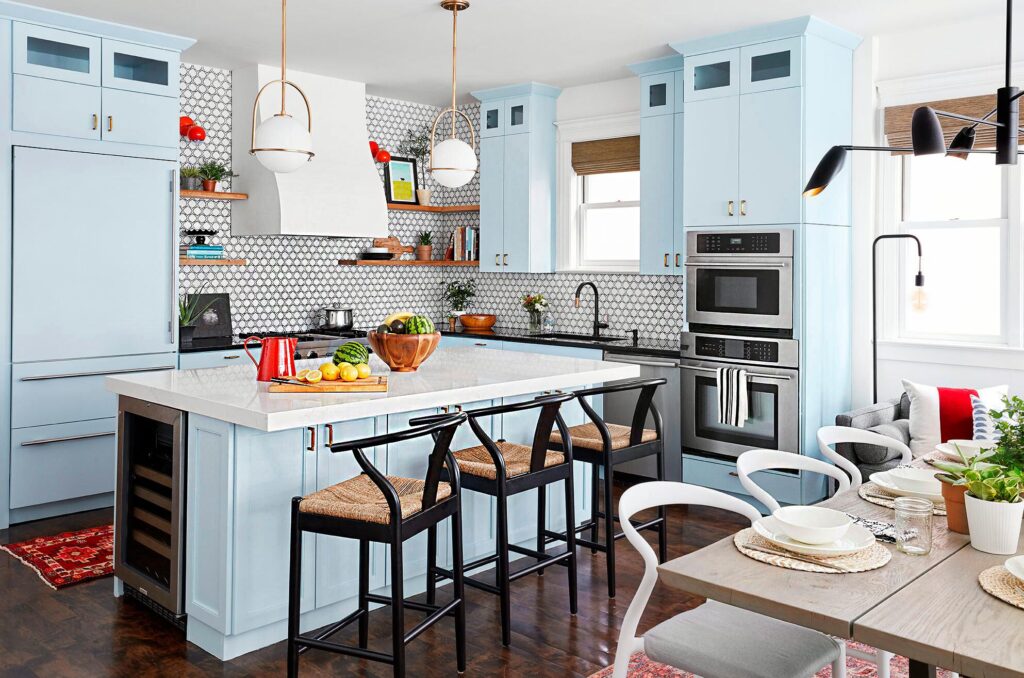
Budget-Friendly Remodel with Stock Cabinetry
A budget-conscious remodel often uses stock cabinetry, laminate countertops, and standard appliances. This approach reduces costs while still refreshing the kitchen’s look. For example, replacing old cabinets with affordable stock units and upgrading to LED lighting can transform the space without overspending.
This remodel demonstrates how strategic choices can balance affordability with aesthetic improvement. It is ideal for homeowners who want a fresh look without major financial strain.
Mid-Range Remodel with Semi-Custom Cabinets
A mid-range remodel may include semi-custom cabinetry, quartz countertops, stainless steel appliances, and updated flooring. The balance between durability and cost-effectiveness makes this type of remodel popular among many homeowners.
This example shows how investing in slightly higher-quality materials improves both function and long-term value. Semi-custom cabinets maximize storage while quartz surfaces provide resilience against daily wear.
Luxury Remodel with Custom Features
High-end remodels often feature custom cabinetry, premium countertops like marble, and top-tier appliances with smart technology. Additional elements such as built-in wine coolers, statement lighting, and expansive kitchen islands further elevate the cost.
This remodel type showcases how a kitchen can become both a luxury space and a functional hub. While the cost is higher, the combination of design and innovation offers long-term satisfaction and significantly boosts property value.
Technology-Integrated Smart Kitchen
A remodel focusing on smart technology may include connected ovens, voice-controlled lighting, and touchless faucets. These upgrades raise upfront costs but enhance convenience, energy efficiency, and overall kitchen functionality.
This example illustrates how technology investments affect remodel cost while also improving lifestyle benefits. Homeowners seeking futuristic functionality often consider these features worthwhile.
Benefits of Considering Technology in Kitchen Remodel Cost
Technology plays a growing role in shaping kitchen remodel budgets.
Smart appliances, though more expensive, reduce energy usage and utility bills over time. For example, an induction cooktop heats food faster and uses less energy compared to traditional stoves. A smart refrigerator helps manage food inventory, reducing waste and grocery expenses.
Lighting automation, such as dimmable LEDs controlled via mobile devices, improves efficiency while adding modern comfort. Touchless faucets not only enhance convenience but also promote hygiene by minimizing contact. While technology raises initial remodel costs, its long-term benefits often outweigh the investment.
Practical Use Cases of Kitchen Remodel Costs
Kitchen remodel cost planning addresses real-life scenarios and challenges faced by homeowners.
-
First-Time Homeowners: Budget-friendly remodels allow new homeowners to refresh outdated kitchens without overspending.
-
Growing Families: Mid-range remodels with added storage, durable countertops, and double sinks solve space and functionality issues.
-
Luxury Seekers: High-end remodels with custom features and smart technology provide a blend of style, efficiency, and prestige.
-
Aging in Place: Remodels can include accessible layouts, lower countertops, and easy-to-use technology for long-term convenience.
These cases show how remodel costs adapt to different needs, ensuring solutions that align with lifestyle, priorities, and financial considerations.
Frequently Asked Questions
1. How much does a typical kitchen remodel cost?
The average cost varies based on project scope. Budget-friendly remodels may start around $15,000, mid-range projects often fall between $30,000 and $60,000, while luxury remodels can exceed $100,000. Regional labor rates and material choices also influence the final cost.
2. What part of a kitchen remodel is the most expensive?
Cabinetry usually represents the largest expense, often making up 30–40% of the total budget. Custom cabinets and premium materials significantly raise costs, while stock options provide a more affordable alternative.
3. Can technology increase or decrease kitchen remodel cost?
Technology typically increases upfront costs, as smart appliances and installations are more expensive. However, these features can lower long-term expenses through energy savings, efficiency, and reduced maintenance. Homeowners should weigh initial costs against long-term benefits.