High End Residential Architects – Expertise, Benefits, and Real-World Examples Explained
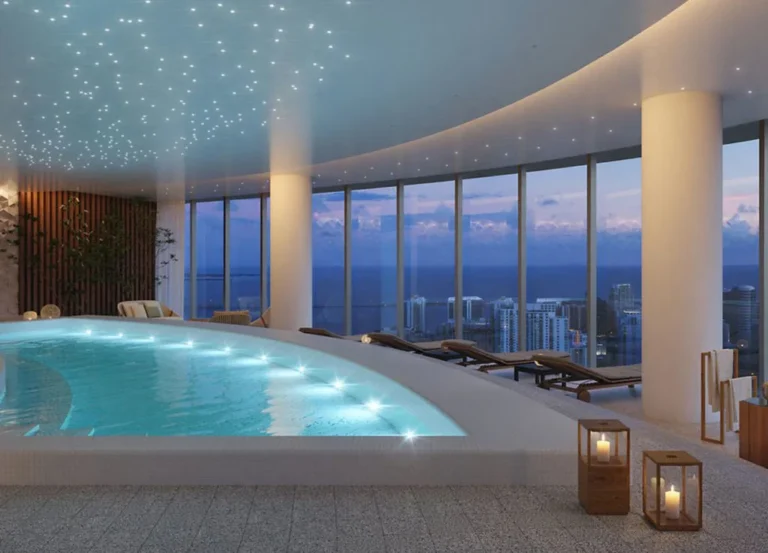
High-end residential architects specialize in creating bespoke homes that combine elegance, innovation, and long-lasting value. Unlike general architects who focus on standard housing, these professionals design residences tailored to the unique preferences and lifestyles of their clients. Their work extends beyond functionality; it is about crafting living spaces that inspire, comfort, and impress.
The role of a high-end residential architect is not only to bring a client’s vision to life but also to ensure that every detail, material, lighting, spatial flow, and integration with the environment supports that vision. This combination of technical expertise and artistic sensibility sets them apart, making their creations both functional and iconic.
Principles of High-End Residential Architecture
Personalization and Lifestyle Alignment
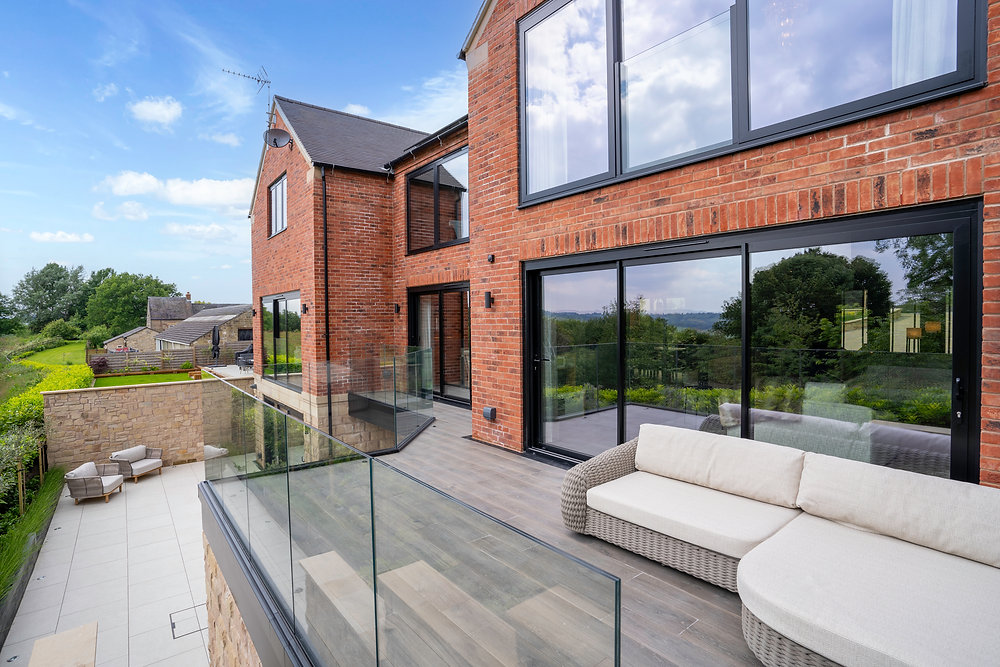
Every project begins with understanding the client’s lifestyle. High-end residential architects design homes that reflect personality, values, and aspirations. This level of customization ensures that no two projects are the same. Whether it’s a modern glass villa overlooking the ocean, a timeless estate in the countryside, or a sustainable urban retreat, the design reflects the essence of the homeowner.
This principle of personalization also extends to interior planning. From curated art spaces and home libraries to private wellness areas and entertainment wings, high-end residential architects create environments that cater to the specific needs of each household.
A Balance Between Luxury and Function
Luxury is not just about appearance; it is about how the home performs over time. High-end residential architects prioritize layouts that optimize both aesthetics and practicality. They carefully manage proportions, light distribution, and ventilation while selecting durable yet visually striking materials such as natural stone, glass, wood, and steel.
The result is a home that looks stunning but also adapts to everyday living. This attention to both beauty and usability ensures a residence remains valuable and enjoyable for generations.
Benefits of Working with High-End Residential Architects
Integration of Technology and Smart Living
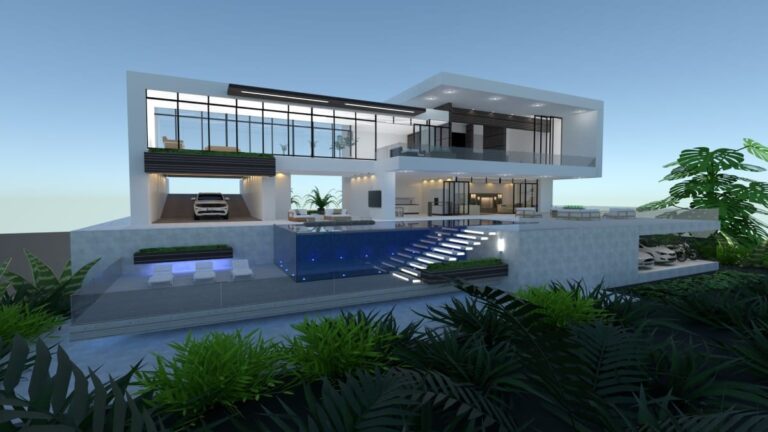
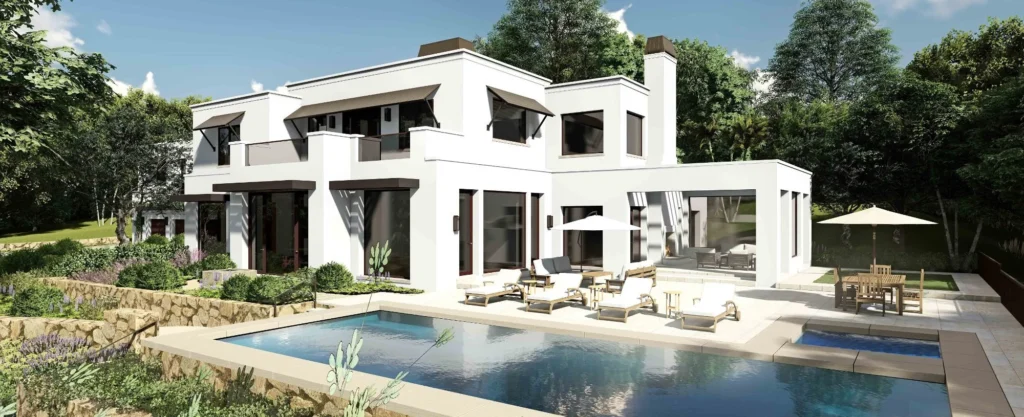
One of the strongest advantages of working with high-end residential architects is their embrace of advanced technology. Using tools like 3D modeling, AI-driven simulations, and VR walkthroughs, clients can visualize their homes before construction begins. This reduces costly mistakes and enhances collaborative decision-making.
Smart home integration also plays a major role. Architects incorporate automation systems for lighting, climate control, and security. These technologies are embedded seamlessly, offering convenience and efficiency without disrupting the home’s aesthetic harmony.
Increased Property Value and Long-Term Investment
A well-designed high-end residence often appreciates significantly in value. Properties by renowned architects are not just homes; they become architectural landmarks that carry prestige. This adds financial and cultural value that lasts for decades.
Durability is another benefit. By using superior materials and cutting-edge construction techniques, these architects ensure homes withstand time and environmental factors. This makes the residence not only luxurious but also resilient.
Real-World Examples of High-End Residential Architecture
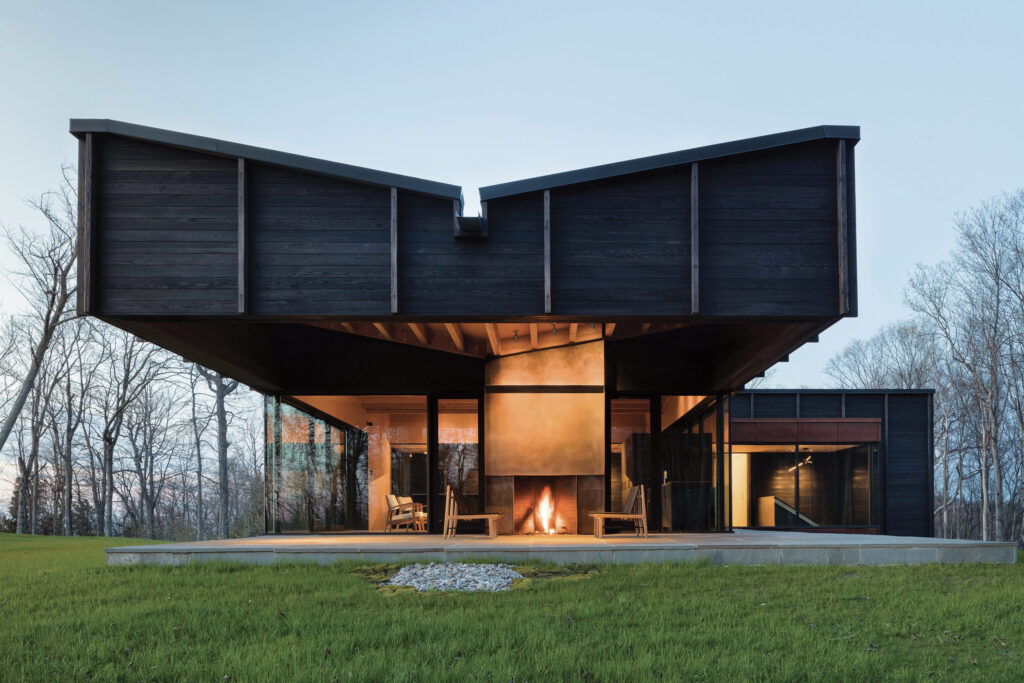
Example 1: Norman Foster – Villa in Cap Ferrat
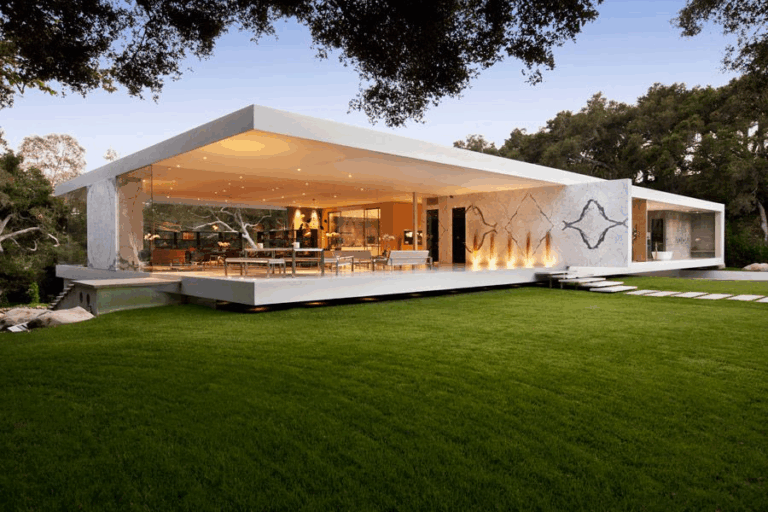
Norman Foster, a celebrated architect, designed a villa in Cap Ferrat, France, that epitomizes the essence of high-end residential architecture. The villa combines minimalist design with large glass facades, creating uninterrupted views of the Mediterranean.
This project highlights how high-end residential architects blend indoor and outdoor spaces seamlessly. The design allows natural light to fill the home while connecting it deeply to its environment. It illustrates how architecture can embody elegance while respecting its setting.
Example 2: Frank Gehry – The Schnabel House, Los Angeles
Frank Gehry’s Schnabel House in Los Angeles is an architectural marvel that breaks traditional norms. Featuring bold geometrical forms, unexpected spaces, and unique material combinations, it is both an experimental design and a livable residence.
This example shows that high-end residential architects are not limited to conventional luxury. They innovate, challenge expectations, and create homes that are works of art while still providing comfort and practicality for everyday life.
Example 3: John Pawson – Private Home in Mallorca
John Pawson is known for minimalist yet luxurious design. His private home in Mallorca exemplifies this philosophy. Using natural materials like limestone and timber, Pawson creates a serene and timeless space that radiates understated elegance.
This residence demonstrates how simplicity can define luxury. Instead of excessive ornamentation, the focus is on proportion, light, and calmness. The result is a home that feels peaceful while remaining undeniably high-end.
Example 4: Olson Kundig – Mountain Retreat in Wyoming
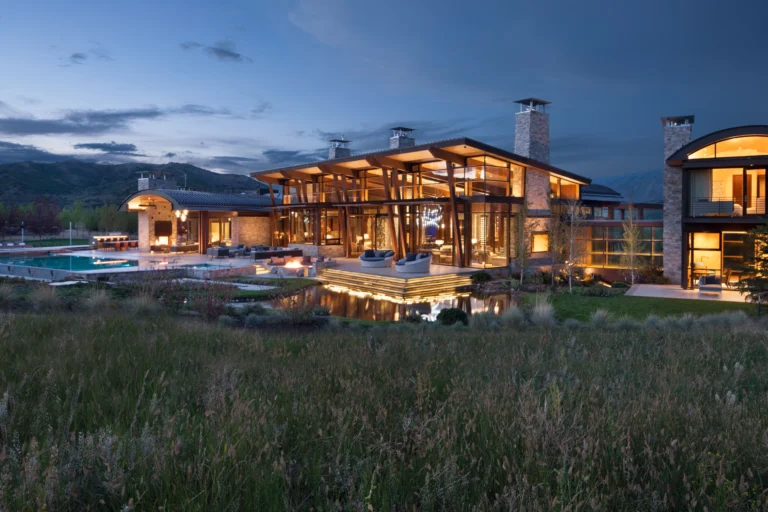
Olson Kundig is recognized for blending modern living with nature. Their mountain retreat in Wyoming uses retractable walls, open-air living spaces, and sustainable materials to create a home that responds to its environment.
This project underscores the importance of sustainability in high-end residential architecture. It shows how architects can integrate eco-conscious strategies without compromising luxury, offering a model for future-forward residential design.
Use Cases of High-End Residential Architects
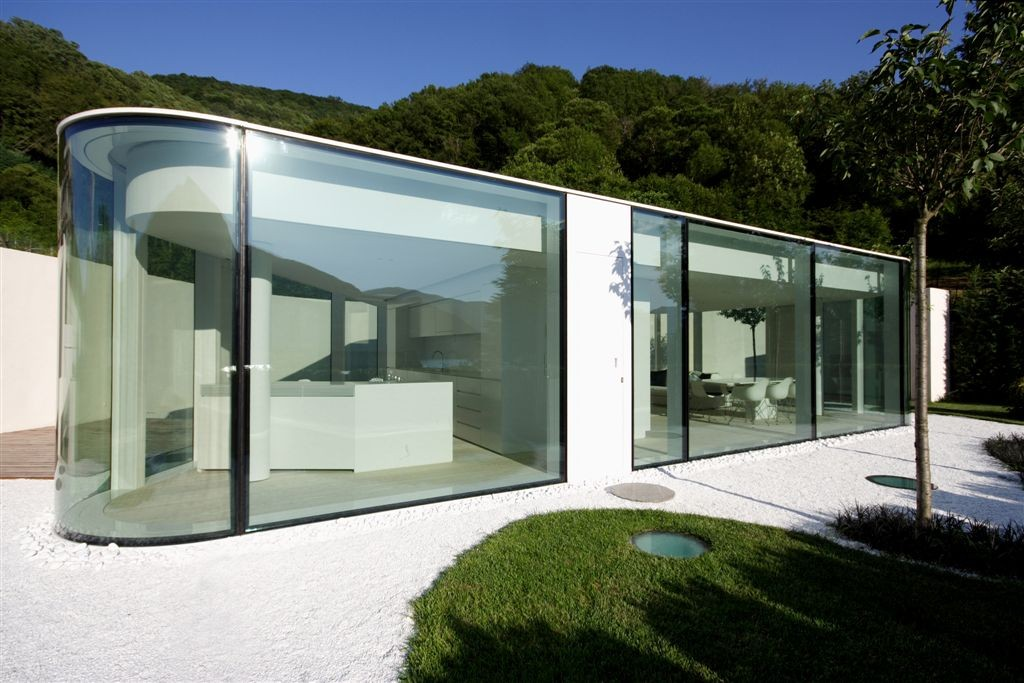
Tailoring Homes to Modern Lifestyles
In today’s world, many families require flexible spaces that adapt to evolving needs. High-end residential architects address this by designing multifunctional layouts, home offices, personal wellness centers, and entertainment wings that meet contemporary demands.
For example, remote workers benefit from custom-designed office spaces that optimize lighting, acoustics, and connectivity while still maintaining elegance and comfort.
Sustainable Luxury Residences
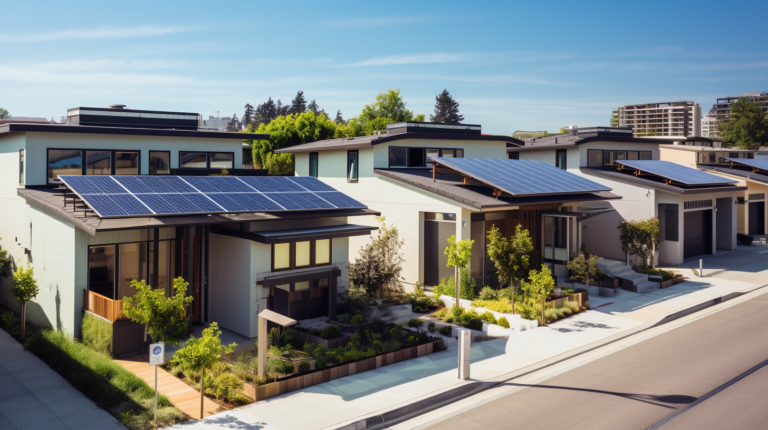
Another important use case is the creation of environmentally responsible luxury homes. High-end residential architects integrate features such as solar power systems, natural ventilation, green roofs, and water recycling. Clients are no longer forced to choose between luxury and sustainability; they can achieve both in one design.
Legacy and GenerationalHomes. Many high-end residences are built with legacy in mind. Architects focus on creating timeless designs that remain relevant for decades and are durable enough to pass down through generations. This approach transforms a house into an heirloom, a symbol of family history and architectural artistry.
Frequently Asked Questions
1. How are high-end residential architects different from regular architects?
High-end residential architects specialize in luxury, bespoke home design. They focus on personalization, high-quality materials, advanced technology, and architectural innovation, which distinguishes them from standard residential architects.
2. Are high-end residences always modern in style?
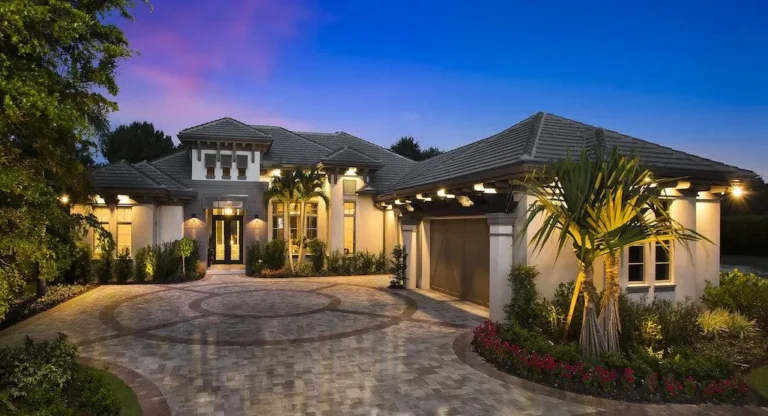
Not necessarily. While modern and minimalist designs are popular, high-end residential architects also create classical, Mediterranean, or hybrid styles depending on client preferences and project goals.
3. Do high-end residential architects consider sustainability?
Yes, sustainability has become a key element in high-end residential design. Many architects integrate eco-friendly solutions such as energy-efficient layouts, renewable energy systems, and environmentally conscious materials.