Exterior Acoustic Panels: Complete Guide to Outdoor Sound Solutions
Noise pollution is one of the most pressing challenges in modern urban environments. From busy streets to outdoor recreational areas, unwanted sound can disrupt comfort, productivity, and overall well-being. Exterior acoustic panels provide an effective solution by reducing noise levels, improving sound quality, and enhancing the aesthetic appeal of buildings and landscapes.
These panels are designed not only for performance but also for durability, making them essential in both residential and commercial projects. In this article, we will explore what exterior acoustic panels are, their benefits, real-world applications, and why they have become a vital part of modern architecture.
What Are Exterior Acoustic Panels?
Defining Exterior Acoustic Panels
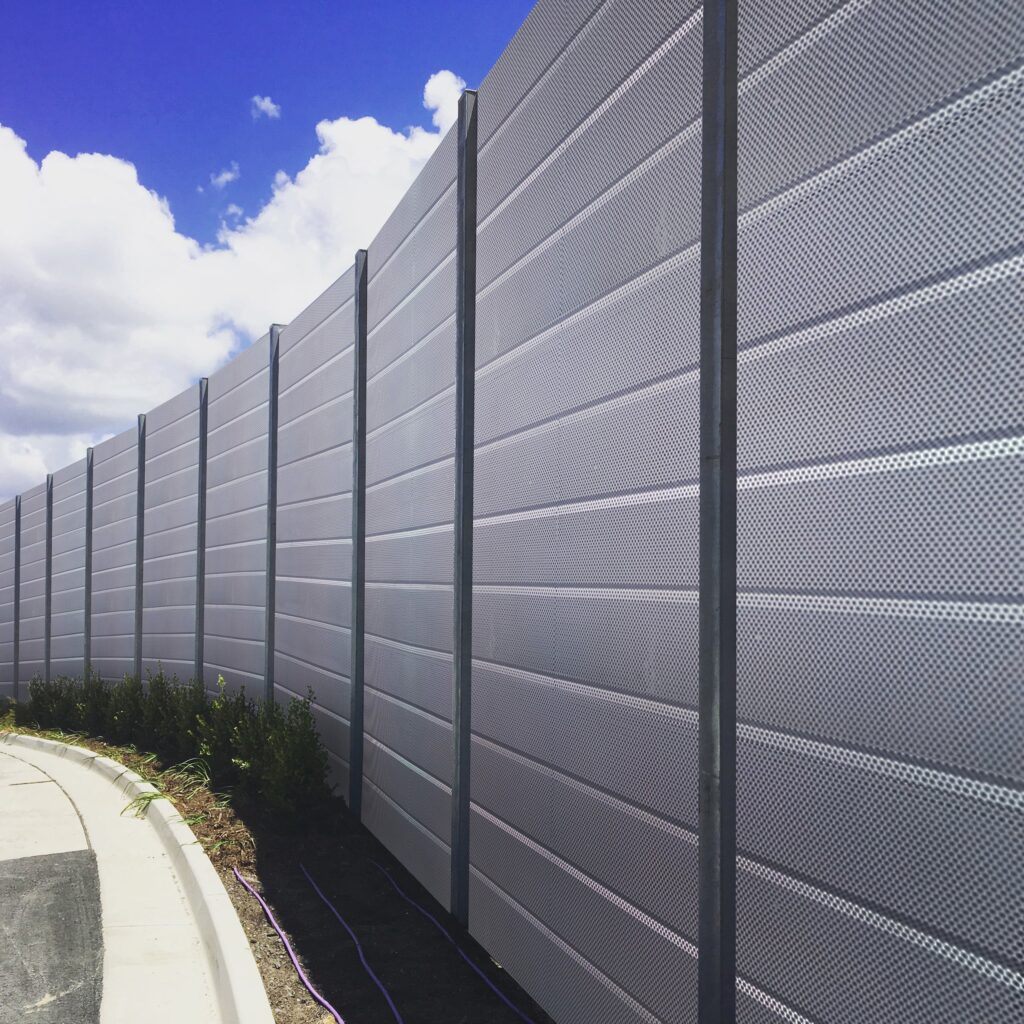
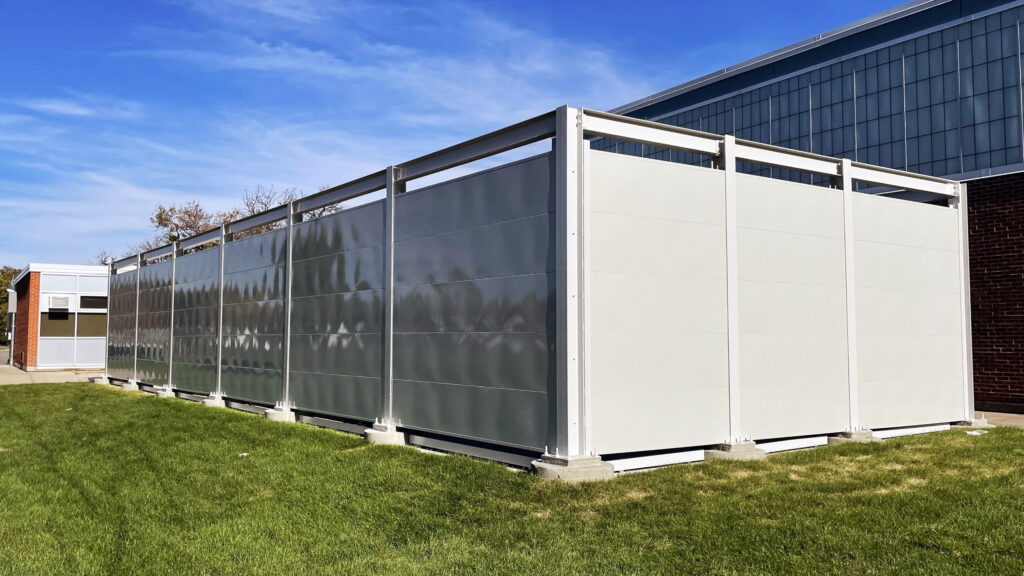
Exterior acoustic panels are engineered materials installed on the outside of buildings, walls, or open spaces to absorb or deflect sound. Unlike simple barriers, these panels are designed with sound-absorbing cores and durable finishes that withstand outdoor conditions such as rain, wind, and UV exposure.
They play a critical role in reducing unwanted noise from traffic, industrial activity, or nearby entertainment areas. By controlling sound reflections, exterior acoustic panels also improve the acoustic quality of outdoor venues such as amphitheaters and sports arenas.
The Science Behind Noise Reduction
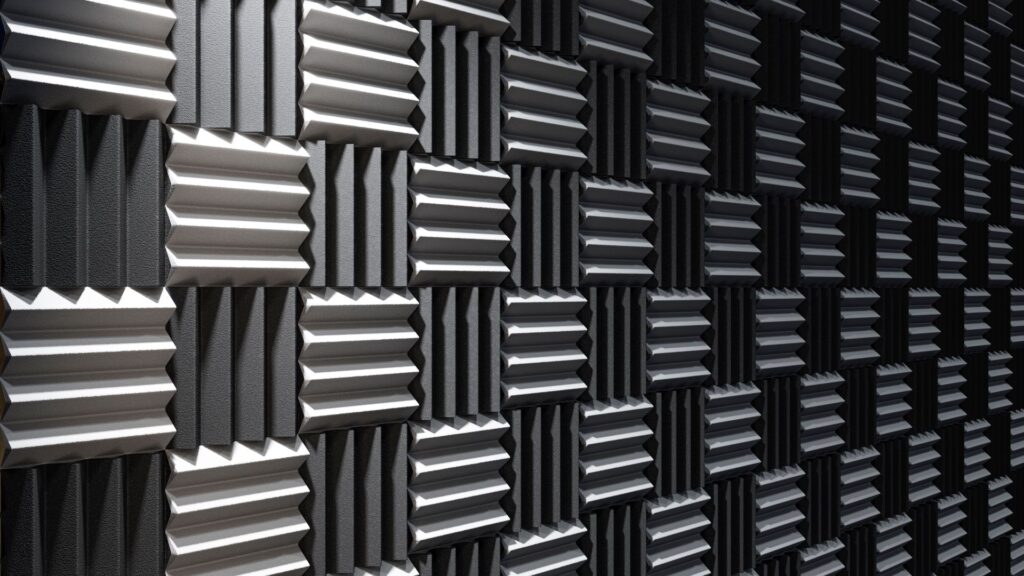
These panels work through a combination of absorption and diffusion. Materials like mineral wool, fiberglass, or perforated metal are often used inside the panels to capture sound waves. The result is a noticeable reduction in echo, vibration, and direct noise transmission, providing a calmer and more enjoyable environment.
Key Features of Exterior Acoustic Panels
Durability in Outdoor Environments
Exterior acoustic panels are specifically manufactured to withstand harsh weather conditions. They are treated with UV-resistant coatings, corrosion-proof materials, and impact-resistant finishes. This ensures that they remain effective for years without degradation.
Versatility in Design and Application
Beyond their functional role, these panels are available in various finishes, colors, and styles to complement architectural design. This makes them suitable for residential homes, commercial complexes, schools, and large infrastructure projects where visual appeal is just as important as performance.
Real-World Examples of Exterior Acoustic Panels

Highway Noise Barriers
Highway sound barriers made of exterior acoustic panels are one of the most recognizable applications. These tall, durable panels are strategically placed along busy roadways to protect nearby neighborhoods from traffic noise.
This example is relevant because it demonstrates how panels not only reduce sound transmission but also improve the quality of life for communities. With advancements in design, modern highway panels often include textured or patterned surfaces to blend with the surroundings.
Outdoor Amphitheater Acoustic Walls
Outdoor amphitheaters often suffer from echo and poor sound clarity. By incorporating exterior acoustic panels along the stage and seating areas, these venues achieve clearer sound for audiences.
This use case highlights how panels enhance entertainment experiences by reducing distortion. They allow sound engineers to control the audio environment effectively, ensuring that every performance is heard with precision.
School and University Campuses
Educational institutions located near busy roads often face distractions from external noise. By installing exterior acoustic panels along perimeter fences or building façades, schools can create quieter, more focused environments for students.
This example is significant because it shows how acoustic solutions directly impact concentration, learning outcomes, and the overall well-being of students and teachers.
Industrial and Manufacturing Facilities
Factories and manufacturing plants produce high noise levels that can affect workers and nearby communities. Exterior acoustic panels installed around machinery zones or property boundaries help reduce sound leakage.
This real-world use case underlines the importance of workplace safety and community relations. Reducing industrial noise enhances compliance with regulations while improving comfort for both workers and residents.
Benefits of Exterior Acoustic Panels
Noise Reduction and Improved Comfort
The most obvious benefit is the significant reduction in unwanted noise. Whether in residential neighborhoods, office complexes, or public spaces, these panels create quieter, more livable environments.
Enhanced Property Value and Appeal
Properties with effective noise management are more attractive to buyers and tenants. Exterior acoustic panels not only add functionality but also contribute to sleek, modern building exteriors.
Energy and Environmental Advantages
Some exterior acoustic panels are designed with eco-friendly materials and can contribute to energy efficiency by acting as additional insulation. This helps reduce energy costs while promoting sustainable construction practices.
How Technology Improves Exterior Acoustic Panels
Advanced Materials and Engineering
Modern panels incorporate cutting-edge sound-absorbing materials, including perforated metal facings, composite cores, and hydrophobic fabrics. These ensure high acoustic performance while maintaining weather resistance.
Integration with Smart Architecture
With the rise of smart cities, some panels are now integrated with sensors and IoT devices to monitor noise levels in real time. This data helps architects and city planners design more efficient noise management strategies.
Sustainable and Recyclable Designs
Technological innovation has also led to panels made from recyclable and low-carbon materials, supporting green building certifications and long-term sustainability goals.
Practical Use Cases of Exterior Acoustic Panels
Residential Communities
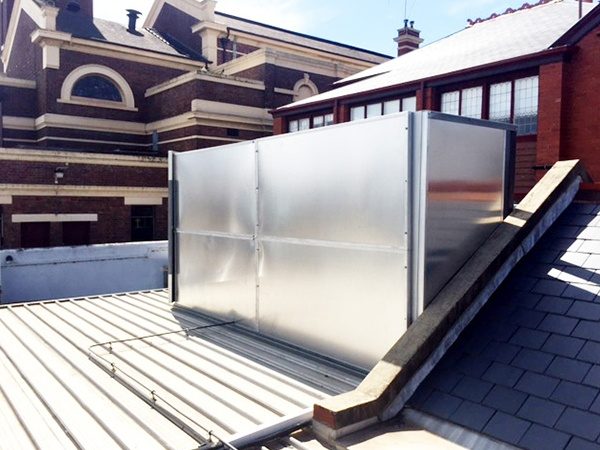
Homeowners living near highways or railroads use exterior acoustic panels to create peaceful outdoor spaces. These panels transform patios, gardens, and balconies into comfortable retreats free from constant noise intrusion.
Commercial Buildings and Offices
Businesses located in busy districts benefit from exterior acoustic panels as they create quieter indoor environments, improving productivity and employee satisfaction.
Public Infrastructure
Train stations, airports, and stadiums adopt acoustic paneling to manage noise levels, ensuring safety, comfort, and compliance with noise regulations.
Recreational Facilities
Parks and playgrounds located near traffic routes often use acoustic panels to preserve the serenity of these spaces. This allows families and visitors to enjoy outdoor activities without distraction.
Frequently Asked Questions
1. How long do exterior acoustic panels last outdoors?
High-quality exterior acoustic panels typically last 15 to 25 years, depending on the materials used and the level of environmental exposure. Regular maintenance can extend their lifespan.
2. Can exterior acoustic panels be customized for design?
Yes, most manufacturers offer customization in terms of color, finish, and even patterned designs. This ensures the panels blend seamlessly with architectural aesthetics while delivering performance.
3. Do exterior acoustic panels require ongoing maintenance?
Maintenance is minimal. Panels are usually weather-resistant and designed to withstand outdoor conditions. Occasional cleaning and inspection help maintain effectiveness over time.