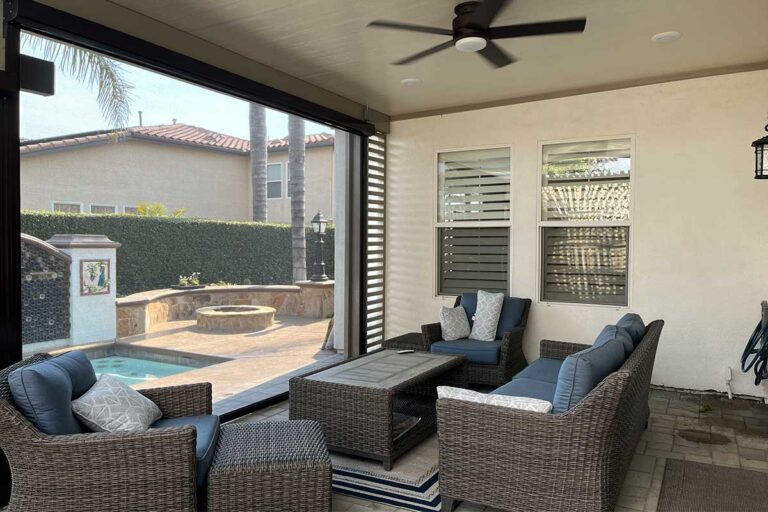
Automatic Outdoor Blinds – Complete Guide, Benefits, and Real-World Applications
Automatic outdoor blinds are a modern shading solution that merges convenience, comfort, and technology. Unlike traditional blinds that require manual adjustment, these blinds are powered by motors and controlled using remotes, wall switches, or smartphone applications. Some even integrate seamlessly with smart home systems, allowing full automation based on weather or time of day.
As the demand for smart living solutions continues to rise, homeowners and businesses are increasingly turning to automatic outdoor blinds. They provide not only shade and protection but also style and sophistication. By transforming patios, balconies, pergolas, and other open-air areas into comfortable and functional spaces, these blinds elevate outdoor living in a way that manual blinds cannot.
How Automatic Outdoor Blinds Work
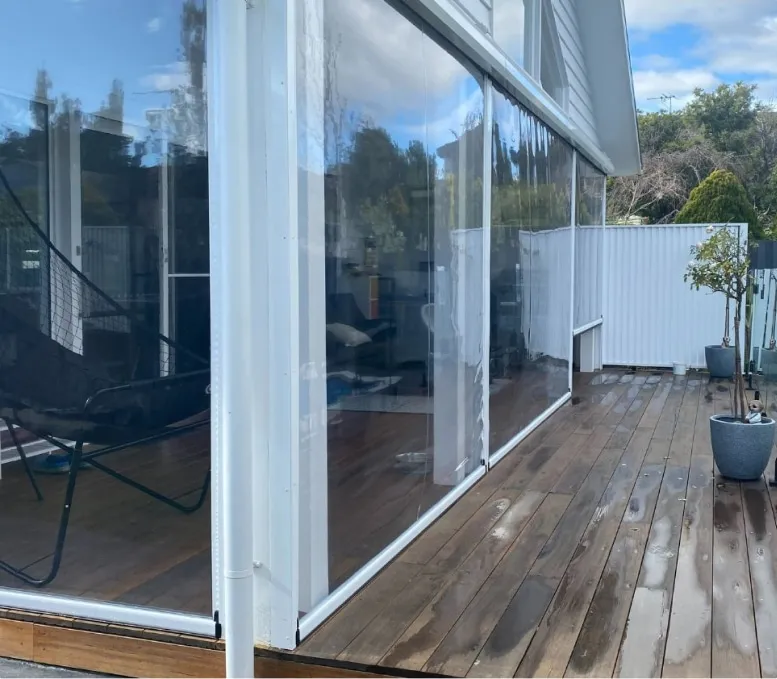
Automatic outdoor blinds operate through a motorized mechanism that powers the raising and lowering of the fabric. The motor is usually built into the roller tube, keeping the system discreet and efficient. Users can control the blinds with the push of a button or through smart devices, depending on the setup.
Advanced systems often include weather sensors that automatically adjust the blinds. For example, during strong sunlight, the blinds may lower to block heat, while in windy conditions, they retract to prevent damage. Materials used for these blinds range from heavy-duty mesh fabrics that reduce glare and UV rays to transparent or semi-transparent textiles that allow natural light while maintaining protection.
Benefits of Automatic Outdoor Blinds
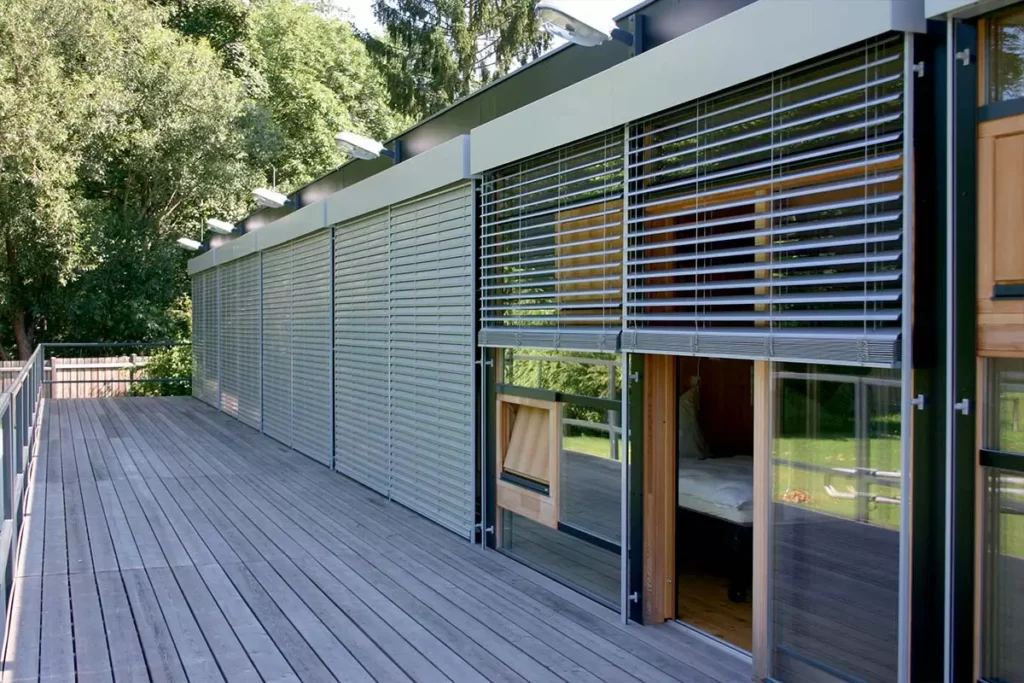
Convenience and Effortless Operation
The greatest advantage of automatic outdoor blinds is the ease of use. With no cords or manual effort required, these blinds can be adjusted instantly. Homeowners can schedule them to operate automatically throughout the day, ensuring comfort without lifting a finger.
For properties with large outdoor areas, convenience is especially significant. Instead of adjusting multiple blinds manually, automation allows full control with one command. This not only saves time but also provides a seamless user experience.
Energy Efficiency and Climate Management
Automatic blinds significantly improve energy efficiency. By blocking harsh sunlight, they prevent excessive indoor heat gain, reducing the reliance on air conditioning during hot seasons. Conversely, in cooler months, they can be raised to let in sunlight and warmth.
This natural regulation of indoor climate reduces energy consumption, saving money on utility bills and promoting sustainable living. For commercial properties, the long-term energy savings can be substantial, making these blinds both a functional and eco-conscious investment.
Protection from UV Rays and Harsh Weather
Automatic outdoor blinds protect both people and property. UV rays can fade furniture, flooring, and outdoor décor, but these blinds act as a shield. They also provide a barrier against dust, wind, and light rain, making outdoor spaces more usable throughout the year.
Their weather-resistant fabrics and durable motor systems are specifically designed to withstand outdoor conditions, offering lasting performance with minimal maintenance.
Enhanced Privacy and Security
Privacy is another key benefit. Automatic outdoor blinds allow homeowners to shield their spaces from neighbors or busy streets, creating a sense of seclusion without compromising design. Adjustable transparency options provide control over visibility, allowing light in while maintaining privacy.
Additionally, when automated to open and close at scheduled times, they give the impression of occupancy, which can act as a deterrent to potential intruders.
Real-World Examples of Automatic Outdoor Blinds
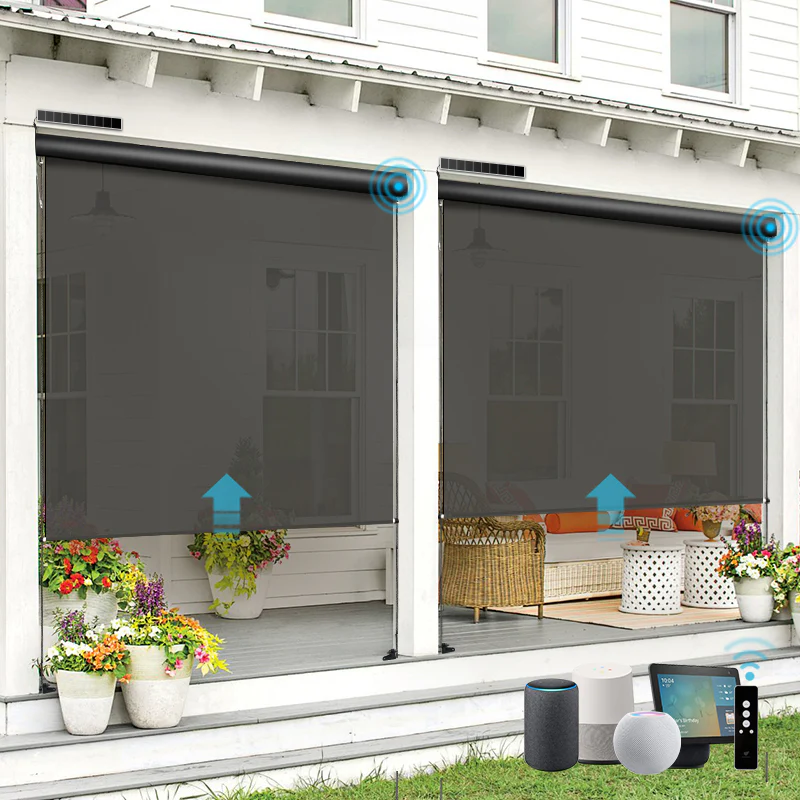
Example 1: Ziptrak Automatic Outdoor Blinds
Ziptrak is a well-known name in outdoor blind technology. Their track-guided system ensures the fabric remains secure even during windy conditions. The automatic version combines this durability with motorized operation, offering ease of control and enhanced usability.
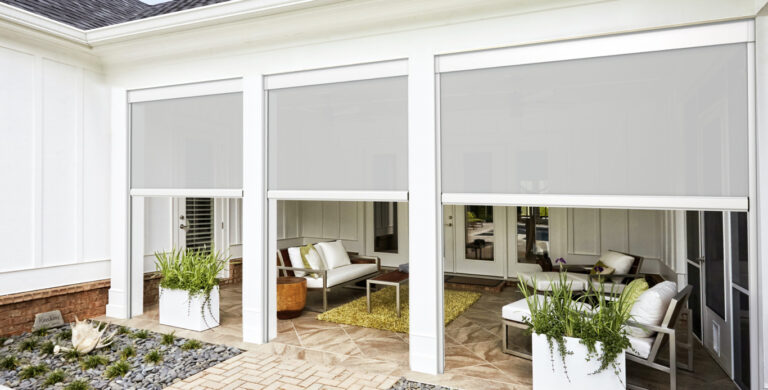
Homeowners often install Ziptrak blinds to enclose patios or verandas, creating all-weather outdoor rooms. The system’s ability to maintain clear views while providing protection demonstrates how functionality and lifestyle benefits can coexist.
Example 2: Somfy Motorized Outdoor Blinds
Somfy specializes in automation systems and has become a leader in motorized blind technology. Their outdoor blinds feature quiet motors, precise movement, and full compatibility with smart home systems.
For instance, homeowners can integrate Somfy blinds into Google Home or Amazon Alexa, automating blinds to respond to time schedules or weather changes. This makes them an ideal choice for those who value convenience and energy efficiency.
Example 3: Luxaflex Evo MagnaTrack Blinds
The Luxaflex Evo MagnaTrack system uses patented magnetic side tracks that keep the fabric stable even in strong winds. Their motorized operation enhances usability, making them suitable for large outdoor entertainment areas.
Homeowners value these blinds for their strength, sleek design, and quiet functionality. They provide year-round comfort without rattling or moving in unpredictable weather, showing how engineering innovation enhances durability.
Example 4: Helioscreen Automatic Blinds
Helioscreen offers premium shading solutions that combine style with performance. Their automatic blinds are particularly popular in commercial spaces like restaurants and cafés. By using weather-resistant fabrics, they allow airflow while blocking harsh sun, creating comfortable environments for customers.
Businesses benefit not only from enhanced comfort but also from improved aesthetic appeal, helping them create inviting outdoor spaces that attract more patrons.
Practical Use Cases for Automatic Outdoor Blinds
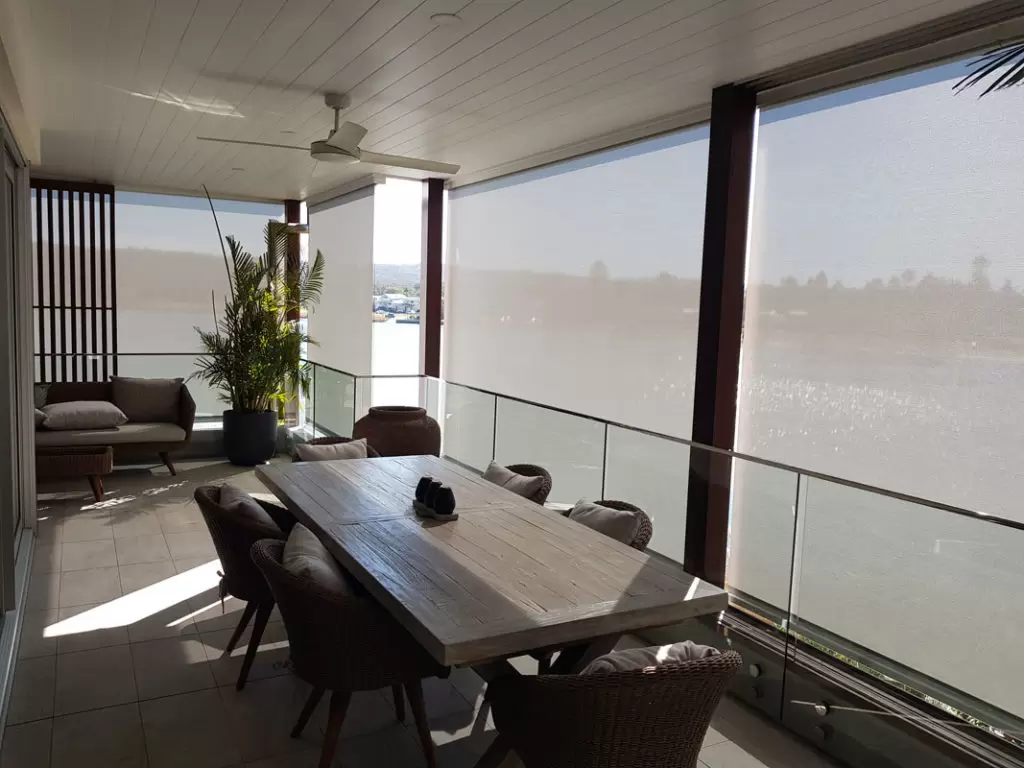
Residential Homes
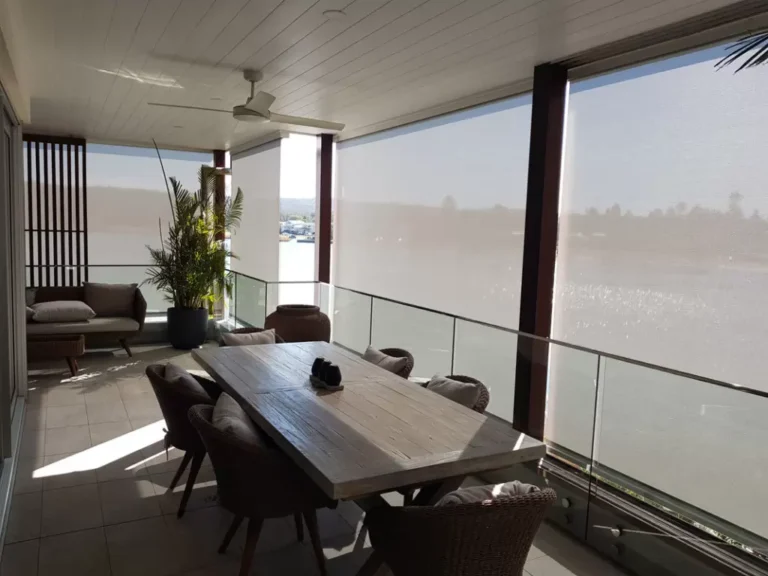
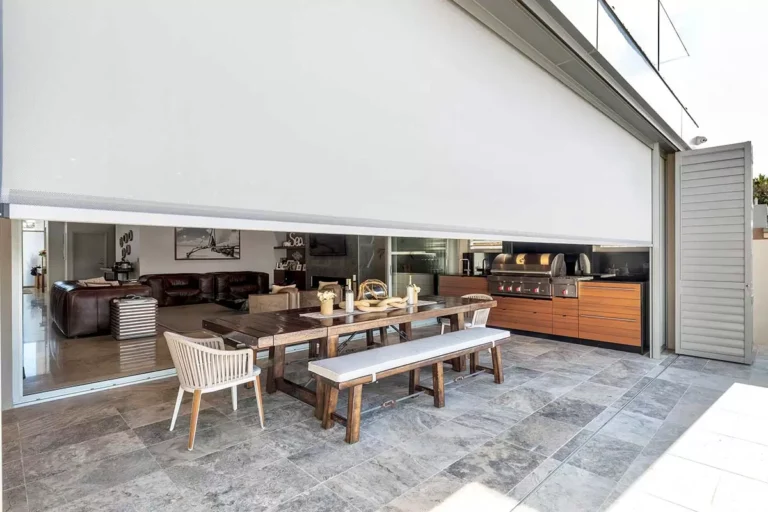
For homeowners, automatic outdoor blinds transform patios and decks into versatile living spaces. Families can enjoy outdoor dining, relaxation, or entertainment without worrying about weather or privacy issues.
Commercial Spaces
Restaurants, cafés, and resorts enhance customer experience with automated blinds. By quickly adjusting blinds according to conditions, businesses ensure consistent comfort and extend the usability of outdoor seating.
Energy-Conscious Properties
Eco-friendly homes and commercial buildings use automatic blinds as part of their energy management strategies. By controlling sunlight exposure, these blinds reduce cooling costs and support sustainable building practices.
Multi-Purpose Outdoor Areas
Automatic blinds make rooftops, pergolas, and balconies adaptable for different uses. They can quickly transform from open-air relaxation zones to shaded, weather-protected areas suitable for year-round use.
FAQs About Automatic Outdoor Blinds
1. Are automatic outdoor blinds weather-resistant?
Yes, high-quality automatic outdoor blinds are designed with durable fabrics and strong motors. They can withstand sun, wind, and light rain, although extreme weather may require retracting them for safety.
2. Can automatic outdoor blinds be integrated into smart home systems?
Most modern automatic blinds can be fully integrated into smart platforms. They can be controlled through apps, voice commands, or pre-programmed schedules.
3. Do automatic outdoor blinds require frequent maintenance?
Maintenance is minimal. Routine fabric cleaning and occasional motor checks are usually sufficient to ensure long-lasting performance. Most systems are designed for durability and ease of care.