Automated Outdoor Blinds: Smart Shading Solutions for Modern Living
Outdoor living has become an essential part of modern home design, where patios, decks, and terraces provide spaces for relaxation and entertainment. However, controlling sunlight, heat, and privacy in outdoor areas can be challenging. Automated outdoor blinds offer an advanced solution by combining modern technology with elegant design to provide shading that adapts to your needs at the touch of a button.
These blinds are more than just a shading accessory; they represent an integration of comfort, energy efficiency, and smart home innovation. In this comprehensive guide, we explore what automated outdoor blinds are, their key features, benefits, real-world examples, and practical applications in daily life.
What Are Automated Outdoor Blinds?

Defining Automated Outdoor Blinds
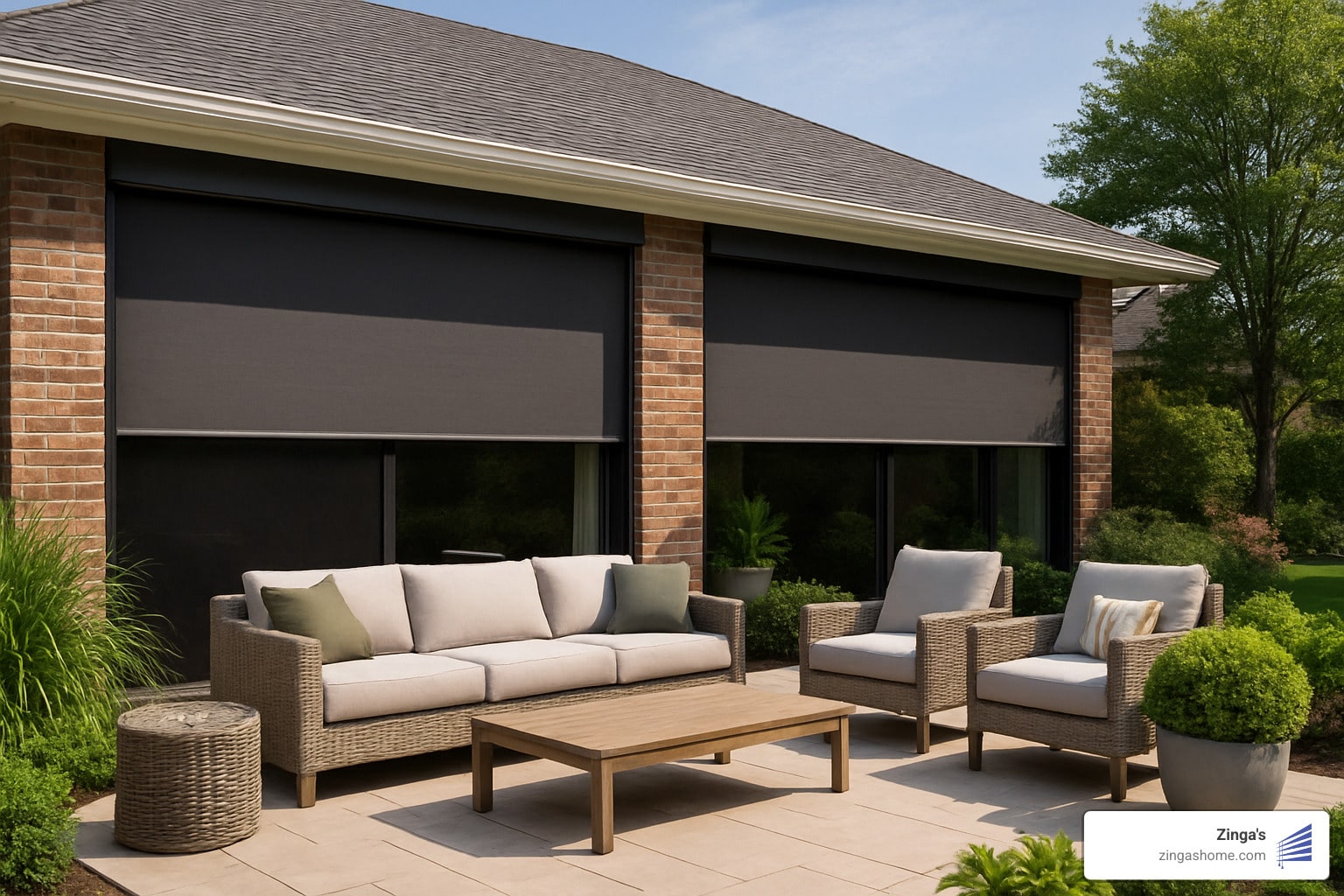
Automated outdoor blinds are motorized shading systems designed for exterior use. Unlike traditional manual blinds, they are powered by electric motors and controlled via remote, smartphone apps, or even integrated smart home systems. These blinds allow seamless adjustment of sunlight and airflow without manual effort.
Constructed from weather-resistant fabrics and sturdy mechanisms, automated outdoor blinds are built to withstand sun, wind, and rain. Their automation ensures consistent shading, improved privacy, and enhanced energy savings, making them a valuable addition to residential and commercial properties.
How Automated Systems Work
The blinds are typically connected to a motor hidden within the headrail. At the push of a button or a voice command, the motor rolls the blinds up or down to the desired position. Advanced models include sensors that respond automatically to sunlight, temperature, or wind speed, adjusting the blinds for maximum efficiency and protection.
Features of Automated Outdoor Blinds
Durability and Weather Resistance
These blinds are designed with outdoor conditions in mind. Fabrics are treated with UV protection, water resistance, and anti-fade coatings to maintain their look and function over time. The frames and rails are usually made from corrosion-resistant aluminum or steel.
Smart Technology Integration
One of the standout features is their compatibility with smart home ecosystems. Automated blinds can be programmed to operate at certain times of day or sync with weather forecasts, offering convenience and energy optimization.
Real-World Examples of Automated Outdoor Blinds
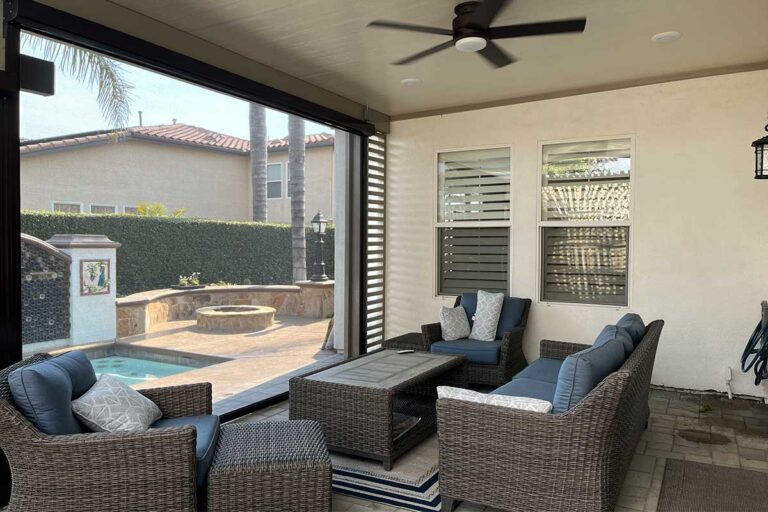
Patio Motorized Blinds
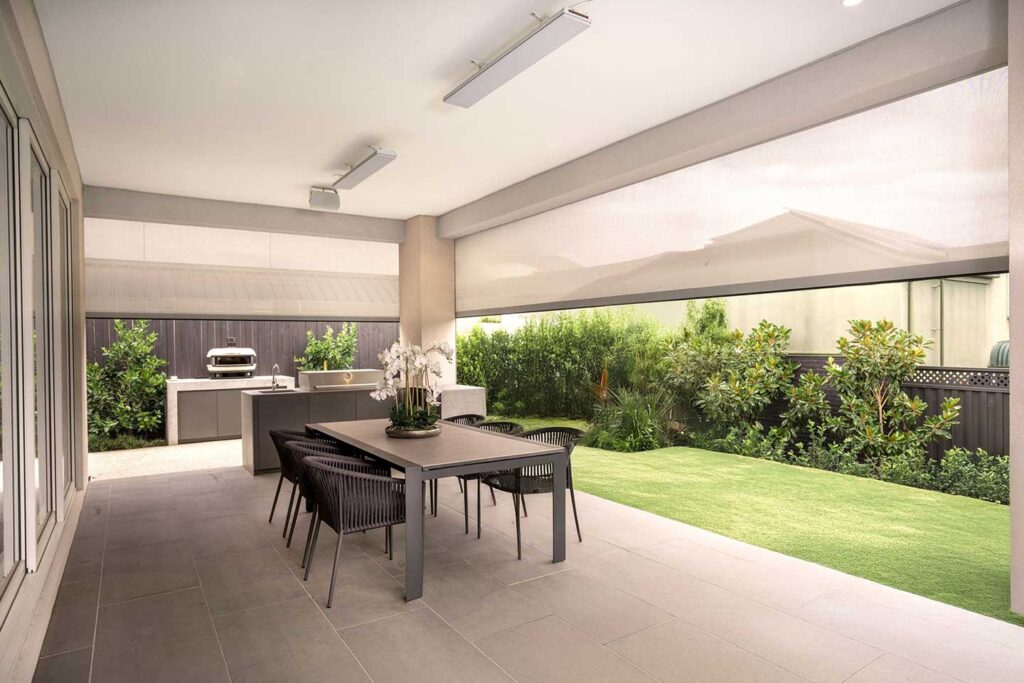
Patios are popular spaces for relaxation, but excessive sunlight or a lack of privacy can limit their use. Motorized outdoor blinds transform patios into year-round retreats by providing adjustable shading and privacy with minimal effort.
This example is relevant because it demonstrates how automation allows homeowners to enjoy outdoor areas regardless of the time of day or season. With programmable settings, blinds can extend in the afternoon to block harsh sun and retract in the evening to open the view.
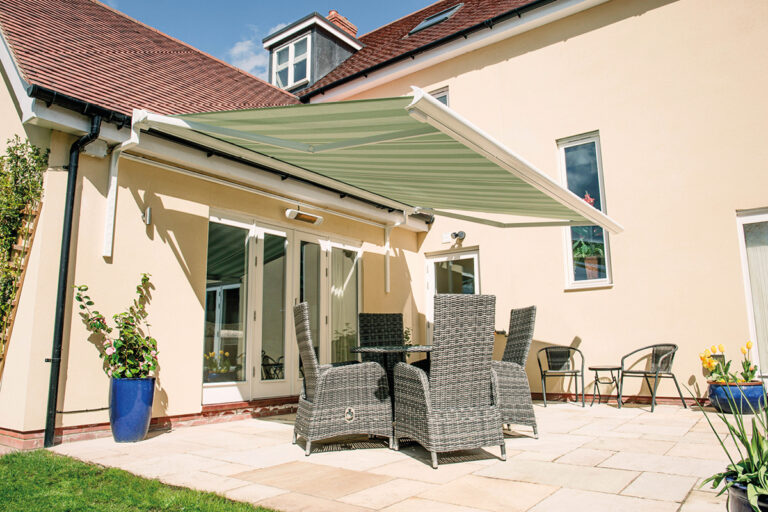
Commercial Outdoor Dining Blinds
Restaurants with outdoor dining areas often struggle with customer comfort during hot or windy conditions. Automated outdoor blinds provide flexible solutions, enabling staff to adjust shading instantly without interrupting the dining experience.
This use case highlights how blinds enhance customer satisfaction and create versatile seating arrangements. By integrating automation, businesses can make better use of outdoor spaces while maintaining consistent comfort.
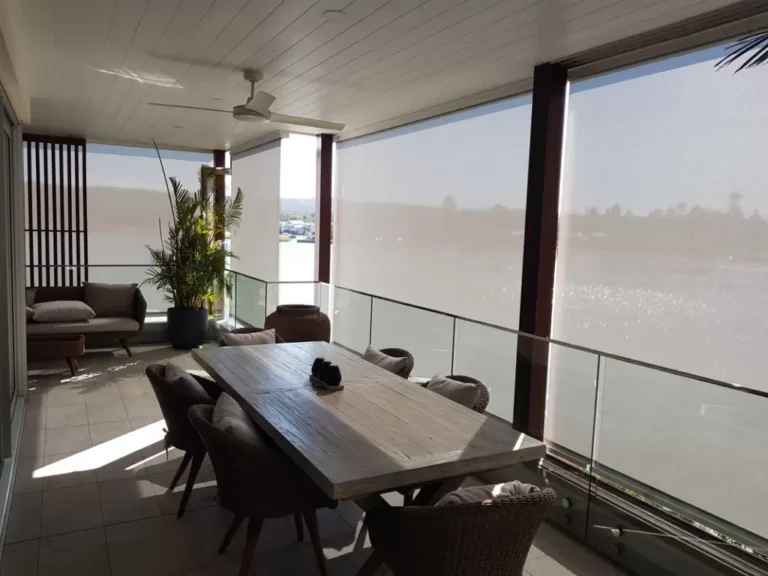
Balcony Automated Blinds in High-Rise Apartments
High-rise apartments often face challenges of wind, glare, and privacy. Automated outdoor blinds installed on balconies allow residents to control their environment efficiently.
This application is significant because it shows how smart shading improves urban living. Residents gain the flexibility to block intense sun during the day and enjoy an unobstructed view at night with a simple command.
Poolside Automated Shades
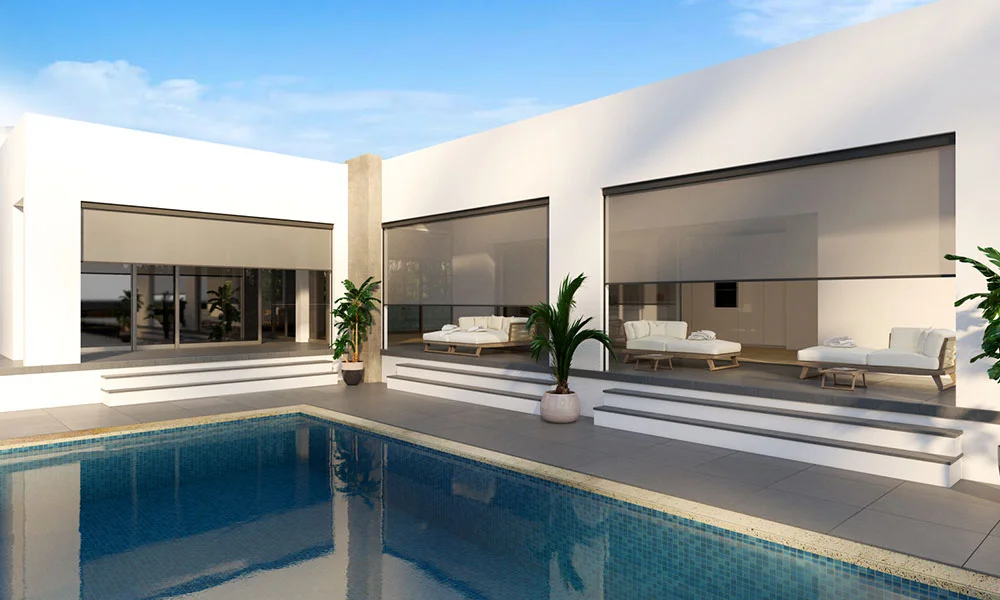
Pool areas require protection from harsh sun exposure without compromising on style. Automated blinds around poolside pergolas or cabanas offer shade that can be adjusted to the user’s preference.
This use case demonstrates the balance between function and luxury. Automated blinds improve comfort during hot afternoons, reduce sunburn risks, and allow swimmers and guests to enjoy the outdoors longer.
Benefits of Automated Outdoor Blinds
Convenience and Comfort
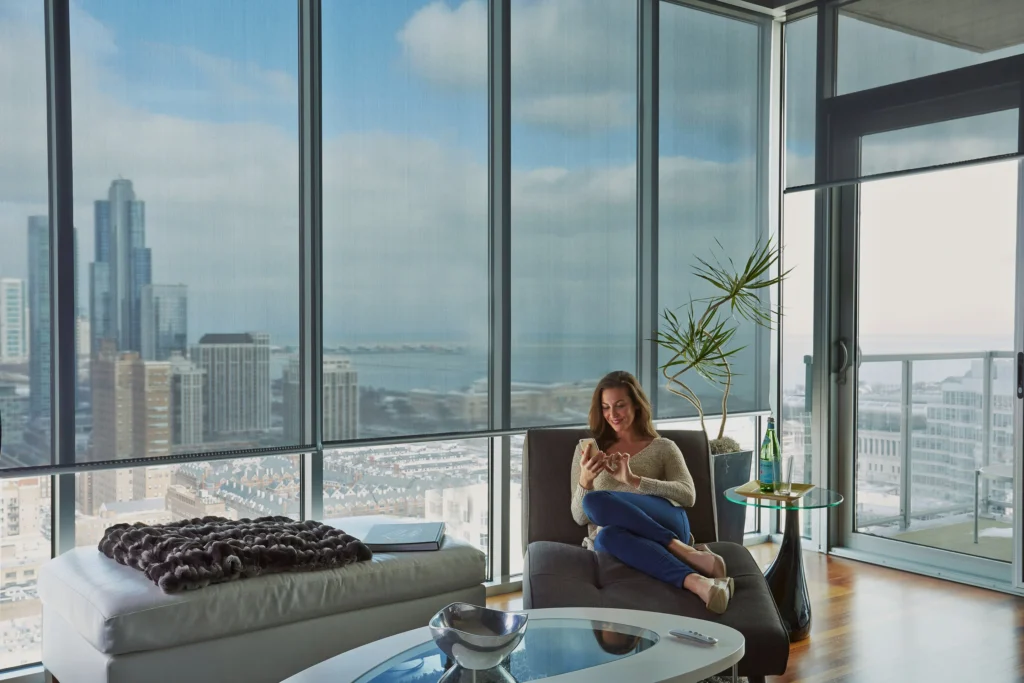
The primary benefit is the effortless operation. With remote controls or smartphone integration, adjusting outdoor blinds no longer requires physical effort. Automation enhances comfort by adapting shading to your lifestyle.
Energy Efficiency
Automated blinds contribute to lower cooling costs by reducing heat gain in summer. By automatically responding to sunlight, they optimize indoor temperatures and reduce reliance on air conditioning.
Enhanced Privacy and Security
Automated blinds can be programmed to close during certain hours, deterring prying eyes and adding a layer of security. For commercial spaces, this feature ensures consistent privacy for customers.
Extended Outdoor Living
By protecting from harsh sunlight and unpredictable weather, automated blinds allow year-round use of outdoor spaces, enhancing the value and functionality of patios, balconies, and gardens.
How Technology Enhances Automated Outdoor Blinds
Sensor-Driven Automation
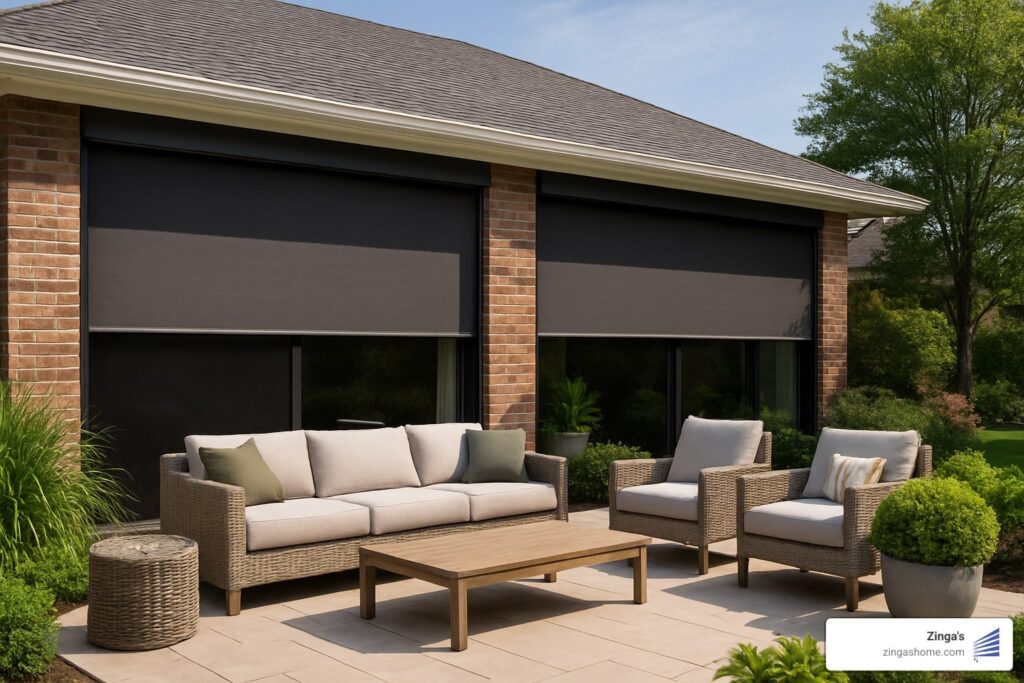
Modern blinds can be paired with sun and wind sensors. These sensors adjust blinds in real time, lowering them during peak sun hours or retracting them during high winds to prevent damage.
Smart Home Integration
With Wi-Fi-enabled controls, blinds can be connected to home assistants such as Alexa or Google Home. This allows voice commands, scheduling, and integration with lighting and HVAC systems for seamless energy management.
Sustainable Materials
Innovations in eco-friendly fabrics and energy-efficient motors contribute to sustainability. Some systems even integrate with solar panels, powering the blinds using renewable energy.
Practical Use Cases of Automated Outdoor Blinds
Residential Applications
Homeowners use automated outdoor blinds to create comfortable patios, protect furniture from sun damage, and enjoy privacy in outdoor living areas. The ability to adjust blinds remotely ensures maximum flexibility.
Hospitality Industry
Hotels and resorts install automated outdoor blinds to enhance guest experiences. Whether around pools, outdoor restaurants, or suites with terraces, blinds offer shade and comfort without requiring staff intervention.
Office and Commercial Buildings
Automated blinds are used in corporate buildings to regulate light and glare in outdoor meeting spaces. By reducing energy consumption and improving worker comfort, they align with sustainability goals.
Health and Wellness Spaces
Spas and wellness centers benefit from automated blinds by creating calming, controlled outdoor environments. This enhances relaxation and ensures a premium experience for clients.
Frequently Asked Questions
1. Are automated outdoor blinds weather-resistant?
Yes, automated outdoor blinds are specifically designed for outdoor conditions. They use weather-resistant fabrics and corrosion-proof mechanisms to withstand sun, rain, and wind.
2. Can automated blinds be integrated into smart home systems?
Absolutely. Many modern systems are compatible with smart home devices, allowing you to control them via smartphone apps, remote controls, or even voice assistants.
3. Do automated outdoor blinds require a lot of maintenance?
Maintenance is minimal. Regular cleaning and occasional inspections ensure long-lasting performance. Advanced systems with sensors often include safety features to prevent damage during high winds.