Architectural Designs Luxury House Plans: Modern Innovations, Benefits, and Inspiring Examples
Architectural designs and luxury house plans are far more than blueprints; they are visions of modern living crafted with creativity, precision, and innovation. Unlike generic layouts, these plans reflect the unique aspirations of homeowners who want residences that merge aesthetics, functionality, and comfort.
The role of architecture in shaping luxury homes is crucial. Every detail, from the façade to the flow of rooms, is carefully curated. Whether the goal is to design a waterfront retreat, a modern urban villa, or a countryside estate, luxury house plans embody personalization, sustainability, and sophistication in every line drawn by the architect.
Key Features of Architectural Designs for Luxury Homes
Customization as the Foundation
At the core of luxury house plans is the ability to customize. No two designs are alike because each plan reflects the client’s preferences, lifestyle, and values. Architects take time to understand how the residents intend to use spaces, whether they need a wine cellar, private spa, or home theater, and incorporate these elements seamlessly.
Customization extends to the smallest details, such as window placement for optimal light or open floor concepts that enhance flow and connectivity. This ensures a home that not only looks extraordinary but also functions as an extension of the homeowner’s lifestyle.
Balance of Aesthetics and Functionality
Luxury house plans emphasize both beauty and practicality. Striking facades, expansive interiors, and landscaped outdoor areas combine with efficient layouts to ensure comfort. For example, rooms are strategically positioned for privacy, while shared areas like living rooms and dining halls flow naturally to encourage interaction.
The designs also consider sustainability, ensuring homes are energy-efficient without compromising luxury. This careful balance makes these house plans a perfect blend of grandeur and modern responsibility.
The Role of Technology in Luxury House Plan Design
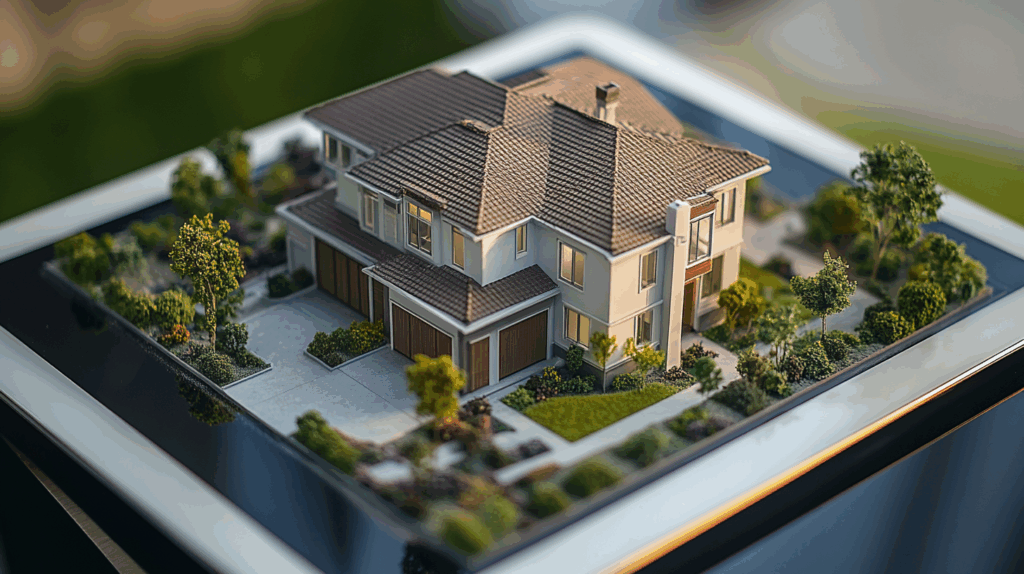
Technology has revolutionized architectural designs and luxury house plans. Architects now employ Building Information Modeling (BIM), 3D rendering, and virtual reality to create immersive design experiences. These tools allow clients to virtually walk through their homes before a single brick is laid, ensuring every feature meets their expectations.
Smart technology integration is also central to modern luxury plans. Automated climate control, lighting systems, and intelligent security solutions are built directly into the architectural design. This foresight ensures seamless integration of future-ready technologies, creating homes that are both smart and sustainable.
In addition, environmental technology such as solar power systems, water recycling, and green roofing is increasingly becoming part of luxury house plans, proving that high-end living can also prioritize ecological responsibility.
Real-World Examples of Architectural Designs: Luxury House Plans
Glass House by Philip Johnson
The Glass House in Connecticut is a remarkable example of modern architectural design. Its transparent walls redefine traditional concepts of privacy and openness, showcasing how architectural plans can emphasize harmony with nature.
This home demonstrates the boldness of architectural innovation, where luxury lies not in size or extravagance but in the daring simplicity of design. It shows how carefully planned architecture can turn unconventional ideas into timeless masterpieces.
Villa Savoye by Le Corbusier
Villa Savoye in France embodies Le Corbusier’s vision of modern architecture. Designed in the 1930s, its open floor plan, ribbon windows, and minimalist style still influence luxury house plans today.
The house is a benchmark for architects who prioritize functionality without sacrificing elegance. Villa Savoye proves that architectural designs can remain both luxurious and practical even after decades, making it a true icon.
Fallingwater by Frank Lloyd Wright
Perhaps one of the most famous homes in the world, Fallingwater integrates seamlessly with the natural waterfall beneath it. Wright’s design shows how luxury house plans can merge with natural landscapes rather than dominate them.
This example underscores the value of site-sensitive architectural designs. Fallingwater has inspired countless architects and homeowners to consider natural surroundings as integral elements of design, not obstacles.
Stahl House by Pierre Koenig
The Stahl House in Los Angeles is a mid-century modern marvel with sweeping glass walls overlooking the city. Its design focuses on openness, light, and breathtaking views.
It illustrates how luxury house plans can transform a home into a lifestyle statement. The Stahl House demonstrates that the relationship between architecture and environment can elevate the concept of luxury to new heights.
Desert Modern Homes by Marmol Radziner.
Architectural firm Marmol Radziner has designed numerous desert homes that showcase the blending of modern luxury with environmental sensitivity. Wide overhangs, solar energy integration, and open layouts define their approach.
These houses highlight how contemporary luxury plans address sustainability without losing elegance. They show how advanced technology and natural context can coexist beautifully in architectural design.
Benefits of Architectural Designs for Luxury House Plans
Enhanced Lifestyle and Comfort
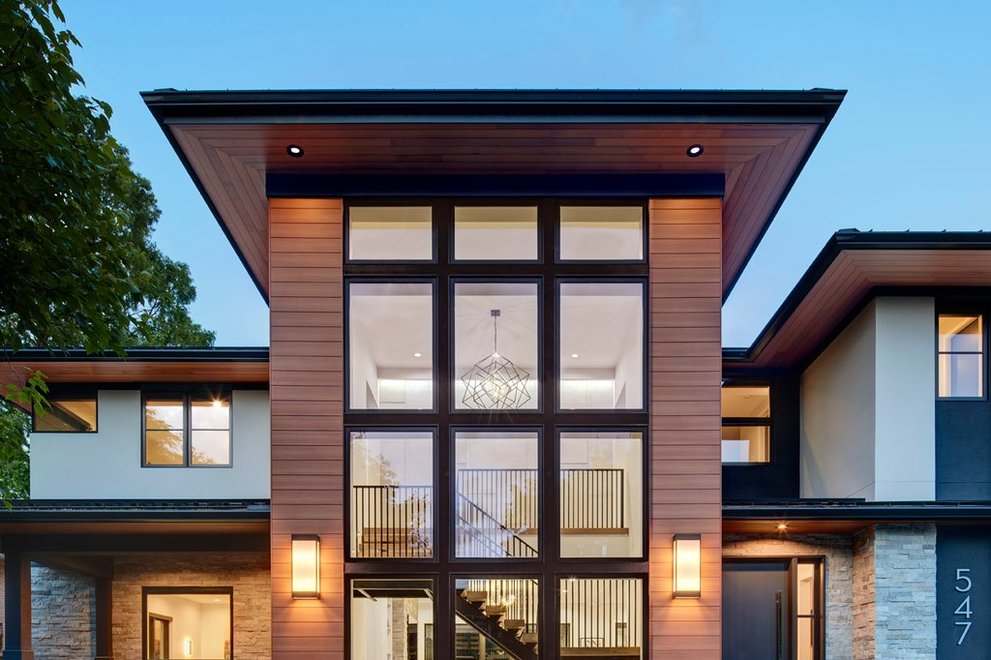
Luxury house plans elevate daily living. From wellness spaces like saunas and gyms to entertainment areas such as theaters, the plans enhance comfort and lifestyle. Every corner of the house is designed to contribute to relaxation and enjoyment.
Long-Term Investment Value
Architectural designs and luxury house plans add lasting value to properties. Homes crafted with innovation and originality not only stand out but also retain cultural and market relevance for generations.
Integration of Smart Living
These plans integrate smart technologies from the start, ensuring seamless functionality for the future. Home automation, advanced security, and energy efficiency make living easier and more sustainable.
Sustainability with Elegance
Architects are redefining luxury to include eco-conscious features. Plans often include energy-efficient layouts, green building materials, and renewable energy solutions. This ensures luxury does not compromise environmental responsibility.
Practical Use Cases of Architectural Designs: Luxury House Plans
Designing for Unique Landscapes
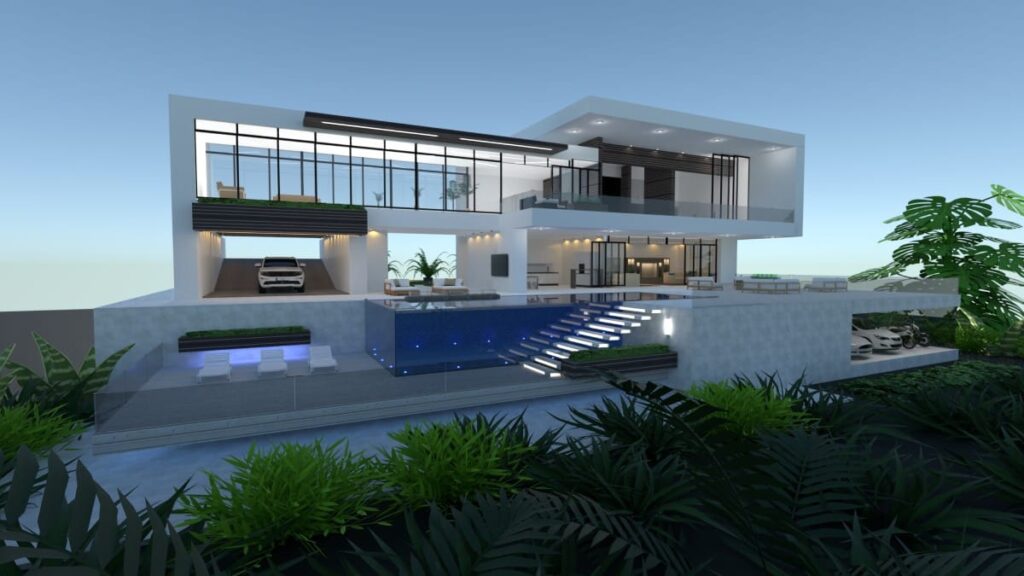
Architectural plans turn challenging terrains like cliffs, deserts, or forests into opportunities for iconic designs. Homes are tailored to maximize views, natural light, and harmony with surroundings.
Multi-Generational Living
Luxury house plans often include separate living areas, guesthouses, or private wings to accommodate multi-generational families. This ensures shared spaces and privacy coexist seamlessly.
Privacy and Security Solutions
Architectural designs integrate features like strategic landscaping, hidden courtyards, and advanced security systems. These ensure a luxurious lifestyle without compromising privacy.
Flexible Modern Living
Modern house plans cater to evolving lifestyles. Dedicated workspaces, hybrid leisure zones, and indoor-outdoor living areas are common features, addressing the needs of dynamic households.
Frequently Asked Questions
What makes architectural designs for luxury house plans unique?
They are entirely customized, focusing on personalization, functionality, and aesthetics. Unlike standard plans, they consider lifestyle needs, site conditions, and future technologies.
Do luxury house plans always emphasize large sizes?
Not necessarily. While many luxury homes are spacious, the emphasis is on design quality and functionality. Even compact luxury homes can feel expansive and elegant when crafted by skilled architects.
How do sustainability and luxury coexist in modern house plans?
Architects incorporate eco-friendly materials, renewable energy solutions, and passive design strategies. This ensures that luxury homes remain environmentally responsible while maintaining comfort and style.