Architect Luxury Homes: Design Insights, Modern Innovations, and Real-World Examples
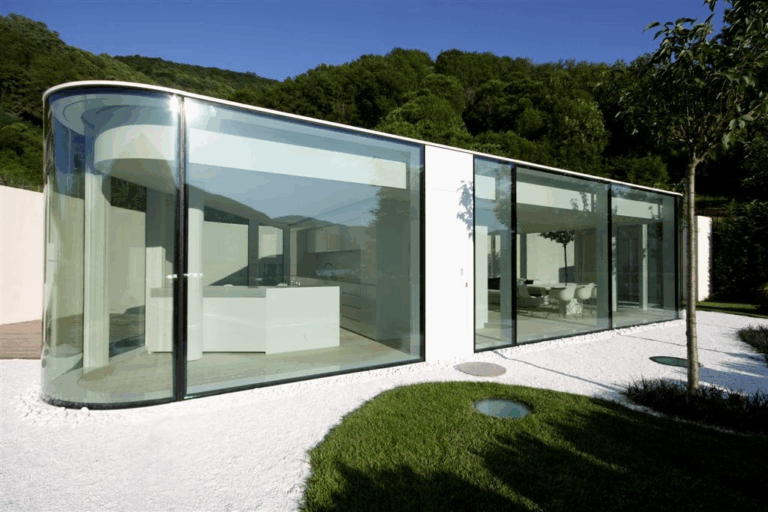
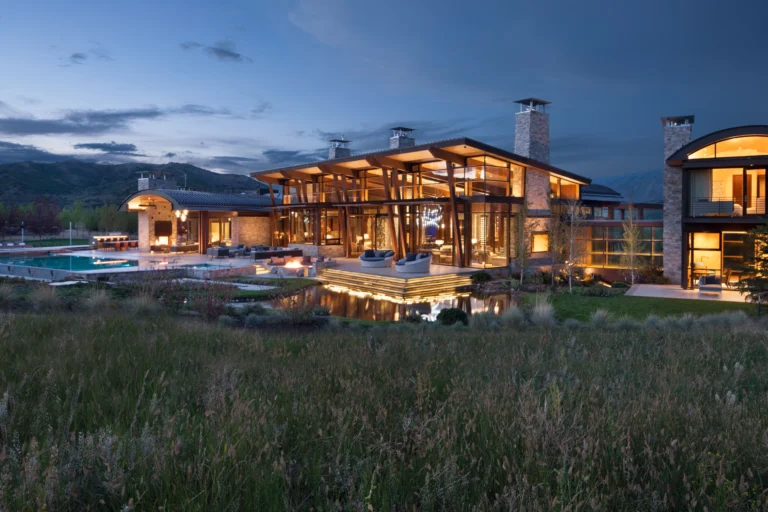
The phrase “architect luxury homes” refers to residences meticulously designed by professional architects who specialize in high-end living environments. Unlike ordinary houses, these homes go beyond utility to become works of art, blending comfort, function, and breathtaking design.
An architect’s role in luxury housing is not just about creating grand structures but also about tailoring every element of the home to reflect the personality, lifestyle, and aspirations of its owners. From the positioning of windows to capture perfect natural light to the integration of advanced technologies, architect-designed luxury homes embody a harmony of precision and creativity.
The Defining Features of Architect Luxury Homes
Bespoke and Personalized Design
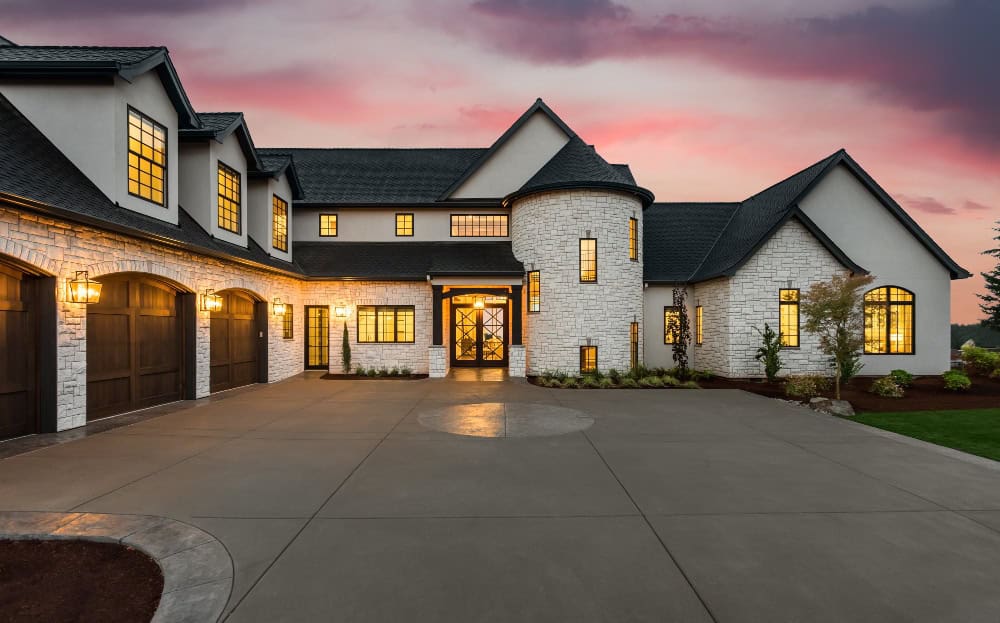
One of the strongest characteristics of architect-designed luxury homes is their bespoke nature. No two are alike. Architects work closely with clients to create designs that reflect personal preferences, lifestyles, and cultural influences. This customization ensures that the home is not only luxurious but deeply personal.
From custom staircases to curated art spaces, every detail is intentional. Luxury homes are crafted not just to look stunning, but to function flawlessly according to the unique rhythm of their residents’ lives.
Integration of Environment and Architecture
A key aspect of luxury architecture is the ability to blend the home with its natural or urban setting. Architects consider site orientation, landscape, climate, and views to design houses that feel organically connected to their environments.
This means a coastal mansion might emphasize large terraces and ocean views, while a mountain retreat prioritizes warmth, privacy, and integration with natural topography. The result is an architectural dialogue between structure and setting.
The Role of Technology in Architecting Luxury Homes
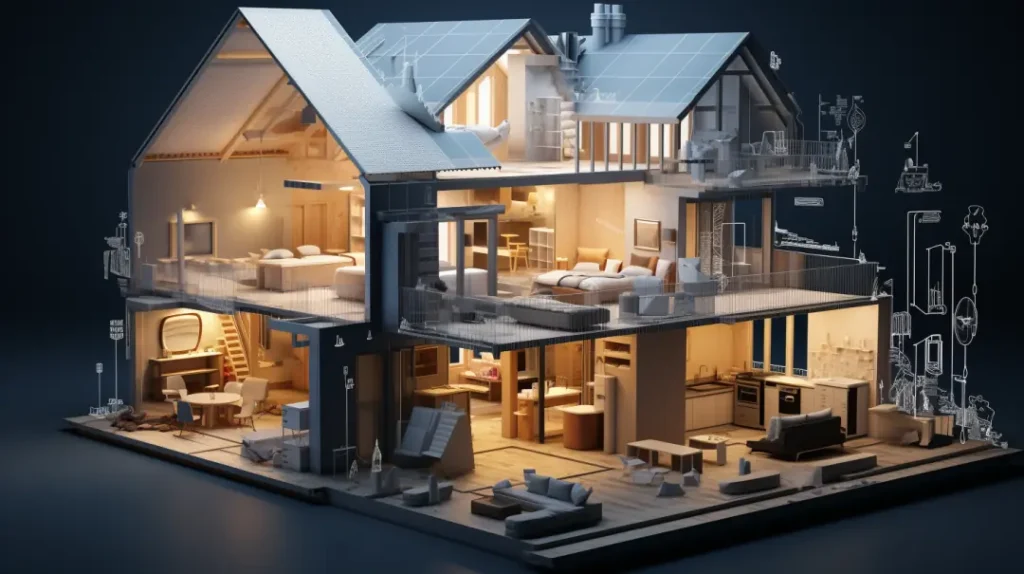
Technology plays a vital role in shaping the design and functionality of modern luxury residences. Today’s architects use cutting-edge tools such as Building Information Modeling (BIM), 3D visualization, and virtual reality to create and refine plans. Clients can virtually walk through their homes before construction begins, ensuring every design decision aligns with their vision.
Inside the home, smart technologies elevate living standards. Automated lighting systems, intelligent climate control, high-security monitoring, and immersive entertainment networks are seamlessly integrated into plans. By embedding technology into the architecture, luxury homes achieve unparalleled convenience, safety, and efficiency.
Additionally, sustainable technologies are at the forefront. Solar panels, rainwater harvesting, and energy-efficient systems are increasingly part of luxury home design, showing how opulence can coexist with environmental responsibility.
Real-World Examples of Architect Luxury Homes
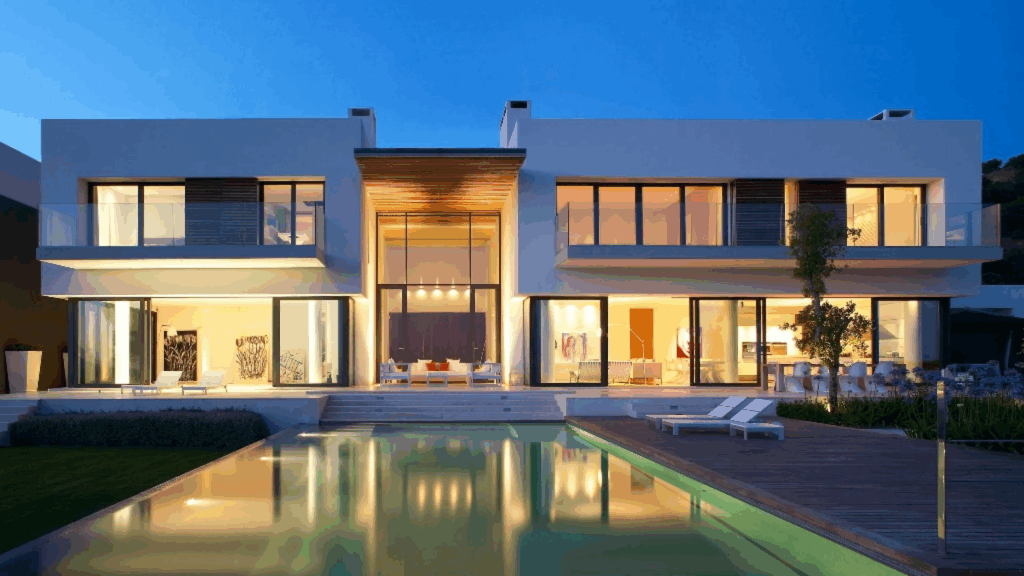
Fallingwater by Frank Lloyd Wright
Fallingwater in Pennsylvania is one of the most celebrated architect-designed homes in history. Built directly over a waterfall, Wright’s design integrates nature into the heart of the residence. Cantilevered terraces extend over the rushing stream, blending modernist design with organic elements.
This masterpiece demonstrates how an architect can redefine luxury by creating harmony between human living and natural landscapes. Fallingwater remains a timeless reference point for architect-designed luxury homes worldwide.
Casa Malaparte by Adalberto Libera
Located on the cliffs of Capri, Italy, Casa Malaparte is a striking example of architectural daring. Its bold red exterior contrasts with the surrounding sea and rocks, while its rooftop terrace offers panoramic views.
This house shows how architects’ luxury homes often embrace unique sites and challenging terrains, turning them into design strengths. Its iconic presence has inspired filmmakers, designers, and architects for decades.
Villa Savoye by Le Corbusier
Villa Savoye in France is a modernist landmark that illustrates the potential of luxury homes as expressions of architectural theory. Built on pilotis, with open floor plans and ribbon windows, the house embodies Le Corbusier’s “Five Points of Architecture.”
Though minimalist, its forward-thinking design emphasizes space, light, and freedom of movement. Villa Savoye is a reminder that luxury can be found not just in ornament but also in clarity, simplicity, and innovation.
The Stahl House by Pierre Koeni.g
Perched on the Hollywood Hills, the Stahl House epitomizes mid-century modern luxury. With its expansive glass walls, it offers breathtaking views of Los Angeles, blurring the boundary between inside and outside.
This residence demonstrates how architects use transparency, light, and proportion to create homes that are both glamorous and comfortable. Its enduring appeal highlights the role of design in shaping cultural icons.
Desert Modern Home by Marmol Radziner.
Marmol Radziner, a firm specializing in luxury residences, created desert modern homes in Palm Springs that blend sustainable strategies with striking design. Wide overhangs, natural ventilation, and solar integration make these homes eco-friendly while maintaining luxurious aesthetics.
This example highlights how contemporary architects ‘ luxury homes must balance opulence with responsibility. The desert context demands innovation, making sustainability part of the luxury experience.
Benefits of Architect Luxury Homes
Elevated Quality of Life
Architect-designed luxury homes are more than architectural statements; they are lifestyle enhancers. Thoughtful circulation, natural light, wellness spaces, and functional layouts improve daily living in profound ways.
Long-Term Cultural and Market Value
These homes often become landmarks and cultural references. Their uniqueness and architectural pedigree ensure enduring property value. For many, they are legacy investments passed down through generations.
Seamless Functionality with Aesthetics
Architects balance artistry with utility, ensuring that luxury homes are not just visually stunning but also highly livable. From hidden storage solutions to carefully planned acoustics, comfort, and function are prioritized alongside beauty.
Sustainable Luxury
By integrating eco-friendly systems, luxury homes achieve reduced environmental impact without sacrificing elegance. This forward-thinking approach ensures long-term relevance and responsibility.
Practical Use Cases of Architect Luxury Homes
Maximizing Unique Sites
Architects design luxury homes to take advantage of exceptional locations, whether on cliffs, coastlines, or urban rooftops. These plans turn challenging sites into defining features that elevate the home’s appeal.
Ensuring Privacy and Security
Privacy is paramount in high-end residential architecture. Architects of luxury homes incorporate landscaping, layouts, and façade designs that offer seclusion while still allowing natural light and openness.
Creating Multi-Functional Spaces
Modern lifestyles demand homes that cater to multiple needs. Luxury homes include offices, gyms, theaters, and art galleries within a cohesive plan, ensuring work, leisure, and wellness coexist under one roof.
Supporting Multi-Generational Living
Architects often design homes with separate wings or guesthouses to accommodate multi-generational families. This flexibility ensures both togetherness and independence, meeting evolving family needs.
Frequently Asked Questions
What distinguishes architect-designed luxury homes from standard luxury houses?
Architect-designed luxury homes are tailored, one-of-a-kind creations designed by professional architects. They emphasize originality, integration with surroundings, and personalized details that go far beyond standard luxury developments.
Do architects of luxury homes always follow a modern style?
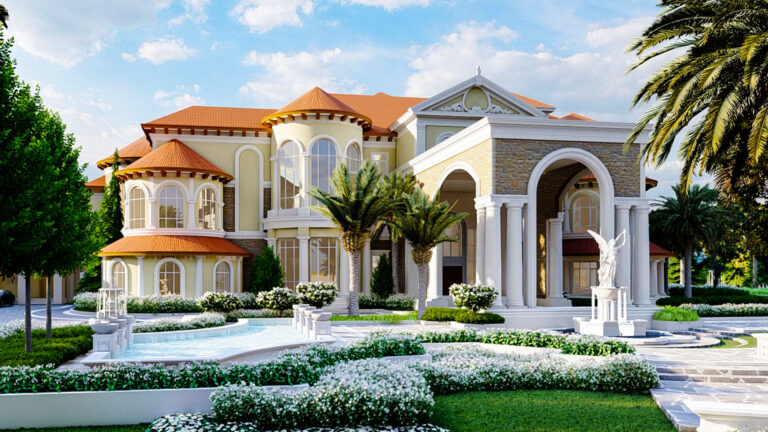
Not at all. While many embrace modernism, these homes span a wide variety of styles, from classical and Mediterranean to minimalist and futuristic, depending on client preference and site conditions.
How do architects ensure sustainability in luxury homes?
They integrate green building practices, renewable energy systems, and passive design strategies from the start, ensuring that the home balances luxury with ecological responsibility.