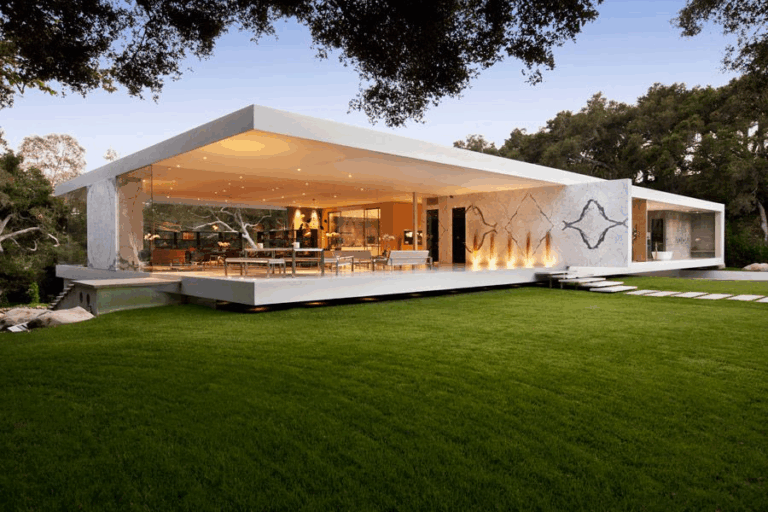
Architecture Mansion Design: Luxury Concepts, Benefits, and Inspiring Examples
Architectural mansion design represents the peak of residential artistry, combining opulence with cutting-edge architectural principles. Unlike standard home design, mansions are envisioned as masterpieces where scale, proportion, and function align to create extraordinary living experiences.
Mansions throughout history have symbolized wealth and influence, but modern architecture mansion design goes beyond grandeur. It integrates sustainability, personalization, and technology, ensuring these residences provide comfort, beauty, and practicality for generations.
Defining Features of Architecture Mansion Design
Grandeur and Scale
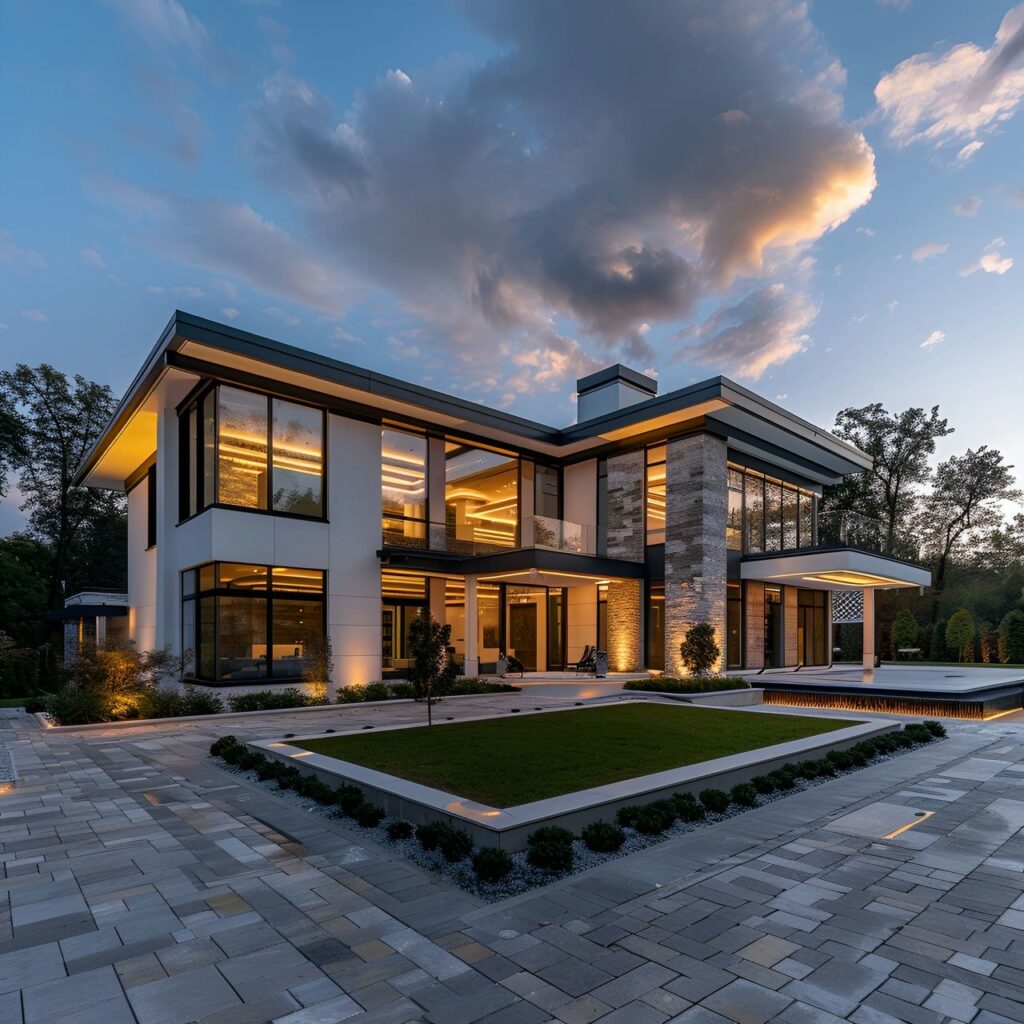
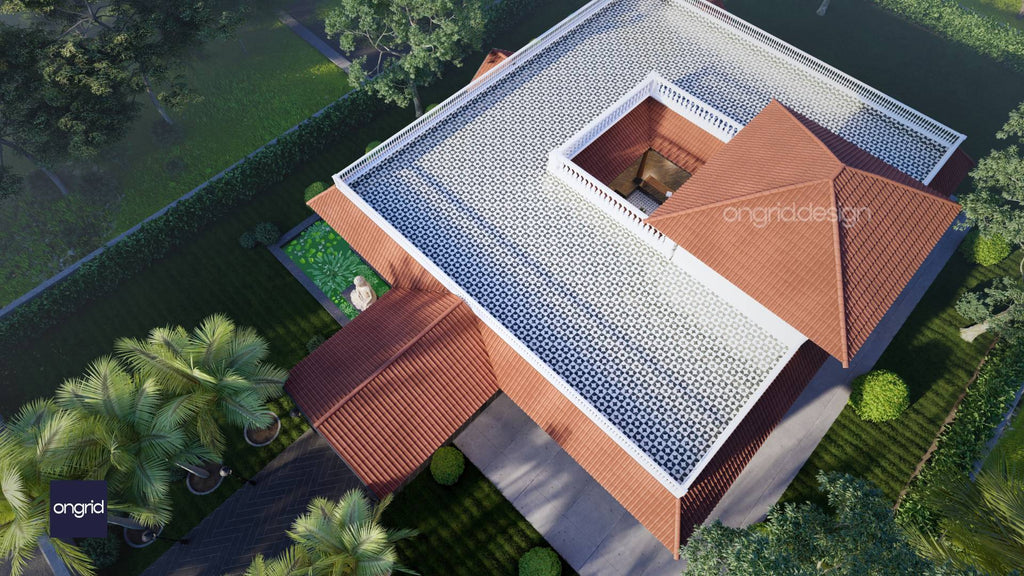
Mansions are distinguished by their expansive layouts. Open courtyards, sweeping staircases, and multiple wings define the architectural style. These homes often include several bedrooms, entertainment spaces, and dedicated leisure facilities such as home cinemas, libraries, or wellness areas.
The grandeur lies not only in size but also in attention to detail. Architects carefully consider symmetry, façade treatments, and landscaping to create homes that are visually commanding yet livable.
Integration of Luxury and Functionality
Mansion design blends luxury with functionality. While the architecture may include ornate detailing, vaulted ceilings, or classical columns, these features serve practical roles such as enhancing light, ventilation, or spatial flow.
Modern mansion design also integrates lifestyle-specific elements. Private spas, wine cellars, art galleries, and smart home systems become part of the architectural blueprint, ensuring both extravagance and utility.
The Role of Technology in Architecture Mansion Design
Technology is reshaping mansion design, turning concepts once reserved for the elite into practical features. Architects now use Building Information Modeling (BIM), 3D visualization, and virtual reality walkthroughs to bring projects to life even before construction begins. These tools help homeowners understand spatial dynamics and refine details early in the process.
Smart home systems are seamlessly integrated into mansion architecture. Automated lighting, advanced security networks, and climate control are not afterthoughts—they are designed as part of the infrastructure. This ensures the mansion operates as an intelligent living environment.
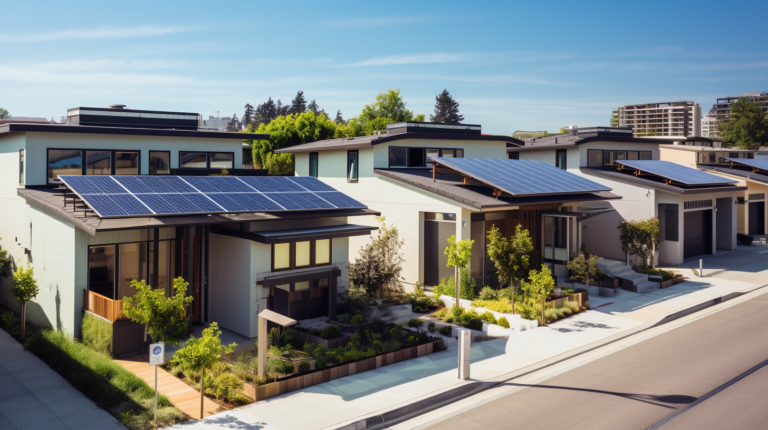
Sustainability is another key aspect. Green roofing systems, rainwater harvesting, solar panels, and geothermal heating are increasingly incorporated, proving that luxury mansions can be eco-conscious without sacrificing elegance.
Real-World Examples of Architecture Mansion Design
Hearst Castle, California
Hearst Castle is one of America’s most famous mansions, blending Mediterranean Revival and Gothic influences. Designed by architect Julia Morgan in the early 20th century, it includes over 100 rooms, gardens, terraces, and pools.
The mansion demonstrates how architecture can combine artistry with luxury living. Every corner reflects detailed craftsmanship, showing that mansion design is as much about storytelling as it is about construction.
Versailles Palace, France
Though technically a palace, Versailles is a defining example of grandeur in mansion-like design. Its classical architecture, symmetry, and extensive gardens influenced mansion architecture worldwide.
This iconic landmark highlights the historical roots of mansion design, ornamentation, proportion, and opulence concepts still referenced by modern architects seeking to create timeless luxury homes.
Villa Leopolda, French Riviera .a
Villa Leopolda is among the most expensive mansions in the world. Built in the early 20th century, it showcases Belle Époque architecture with expansive terraces and panoramic Mediterranean views.
The design exemplifies the importance of context. The mansion integrates with its natural surroundings while maintaining luxury, proving that location plays as important a role as architectural detailing.
Biltmore Estate, North Carolina
America’s Biltmore Estate, designed by Richard Morris Hunt, is a French Renaissance-style mansion with 250 rooms. It includes banquet halls, libraries, and lush gardens that stretch across thousands of acres.
The estate demonstrates how mansion design often incorporates not only the residence itself but also vast landscapes, ensuring harmony between architecture and environment.
Modern Cliffside Mansions in Malibu
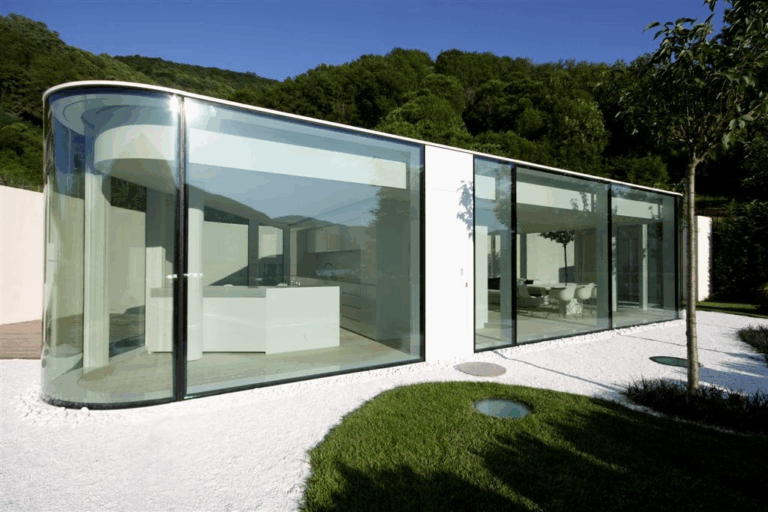
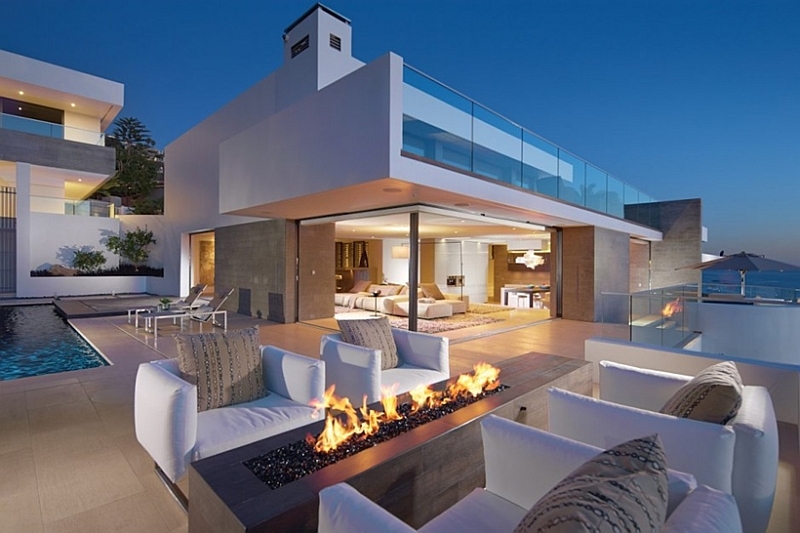
Contemporary cliffside mansions in Malibu highlight modern approaches to mansion design. Using glass walls, cantilevered structures, and minimalist interiors, these homes maximize ocean views while incorporating smart technologies.
They represent the evolution of mansion architecture from ornate historical designs to sleek, environment-responsive modern aesthetics.
Benefits of Architecture Mansion Design
Elevated Lifestyle Experience
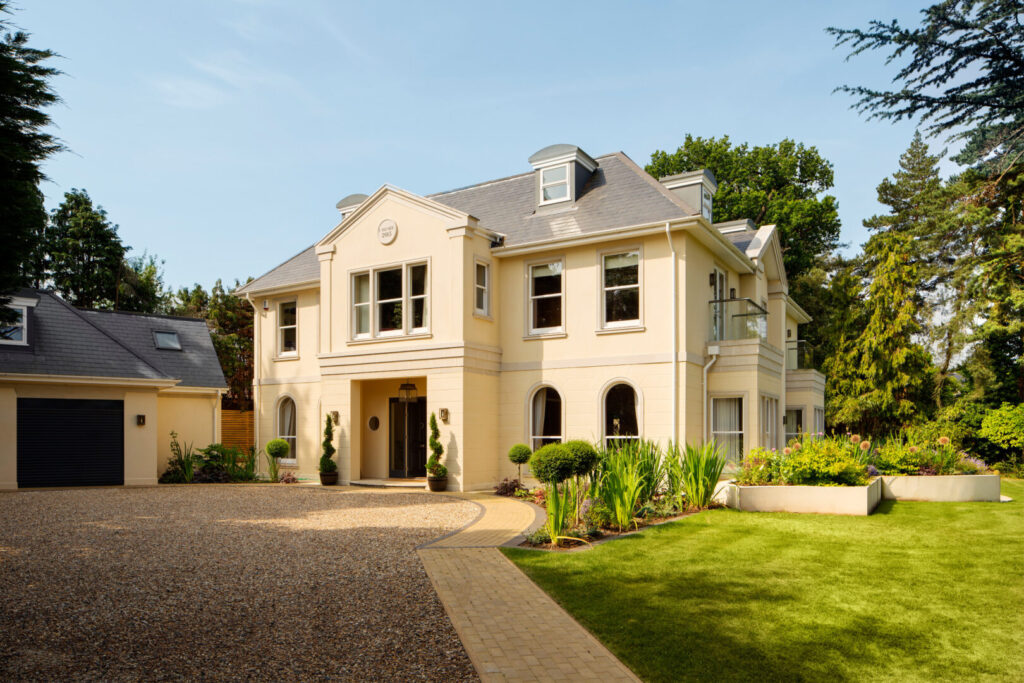
Mansions are designed to offer unparalleled comfort. From wellness zones to entertainment hubs, every feature is planned for luxury living. Spaces like indoor gyms, spa retreats, and outdoor lounges enhance everyday life.
Legacy and Investment Value
Mansions often appreciate due to their uniqueness and architectural distinction. They become legacy assets, passed down through generations, symbolizing wealth and heritage.
Seamless Smart Living
With integrated technology, mansions become highly functional. Residents can control lighting, security, temperature, and even entertainment with the touch of a button, blending convenience with sophistication.
Environmental Responsibility in Luxury
Sustainable mansions are rising in popularity. Features such as passive cooling systems, renewable energy sources, and eco-friendly building materials redefine luxury as responsible living.
Practical Use Cases of Architecture Mansion Design
Entertainment and Hospitality
Mansions are often designed with grand halls, private theaters, and expansive outdoor areas for hosting events. These architectural elements transform homes into venues for celebrations, art exhibitions, and gatherings.
Multi-Generational Living
With separate wings, guesthouses, or apartments within the mansion, designs cater to extended families. This ensures privacy for individuals while fostering unity through shared spaces.
Privacy and Security
Mansions incorporate strategic landscaping, gated entrances, and advanced surveillance systems directly into their designs. These features provide peace of mind without compromising aesthetics.
Adapting to Modern Lifestyles
Work-from-home arrangements, private learning spaces, and indoor leisure facilities are increasingly built into mansion architecture. This ensures homes evolve with changing lifestyle demands.
Frequently Asked Questions
What defines mansion architecture design compared to regular luxury homes?
Mansions emphasize scale, grandeur, and detailed customization. While luxury homes may focus on elegance, mansions expand this concept to include large-scale planning, multiple facilities, and a landmark-style presence.
Are modern mansions still designed with traditional elements?
Yes. While many modern mansions use minimalist or contemporary styles, classical elements such as symmetry, colonnades, and landscaped gardens are often integrated to maintain a sense of timelessness.
Can mansions be sustainable and eco-friendly?
Absolutely. Today’s architects prioritize eco-friendly features like solar energy, rainwater harvesting, and natural ventilation. Sustainability has become a defining feature of modern mansion design.