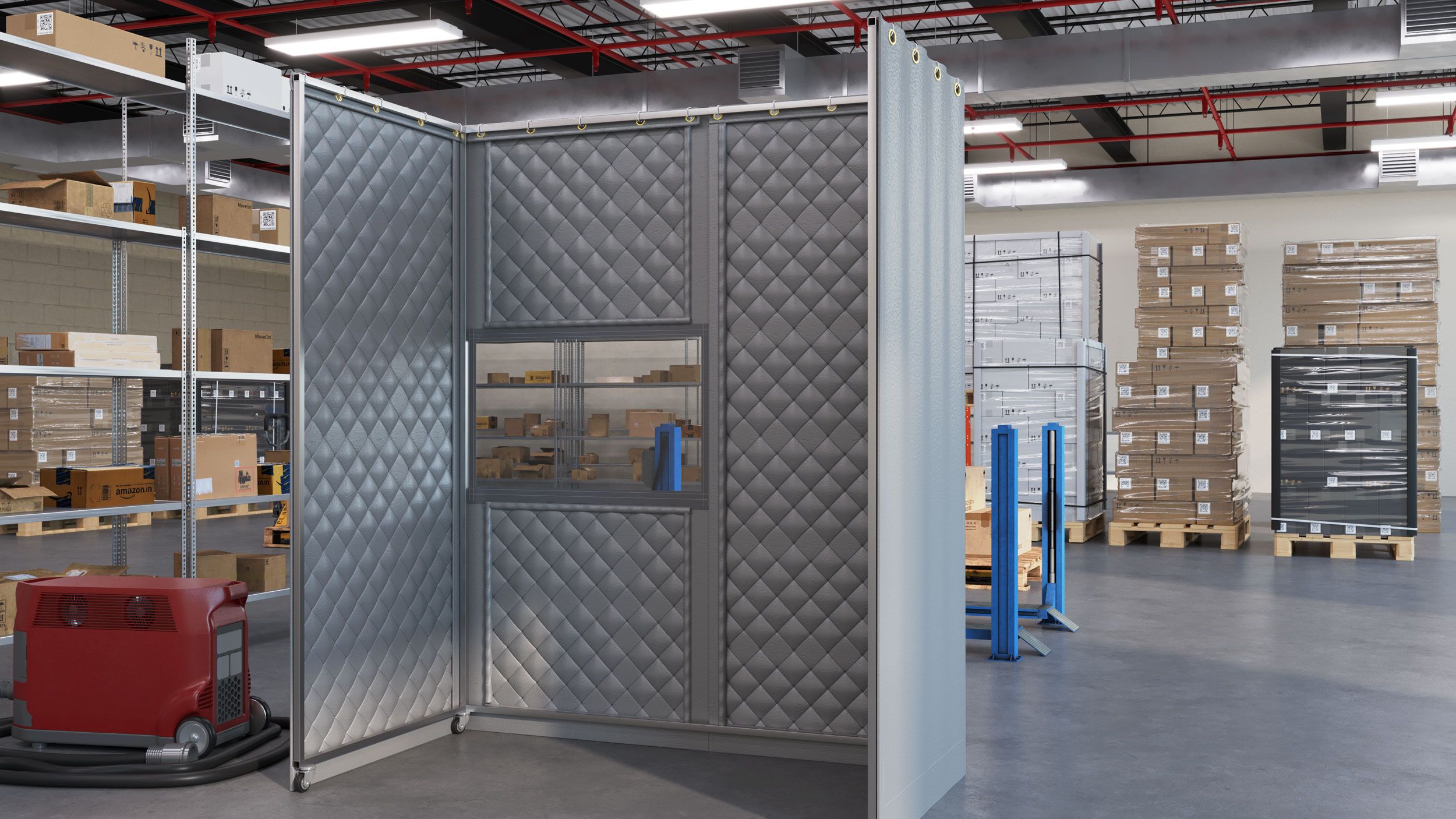
Exterior Sound Absorbing Panels – Complete Guide, Benefits, and Real-World Applications
Noise pollution is one of the most pressing issues in modern urban life. The constant hum of traffic, construction activity, or nearby commercial areas often disrupts peace at home and productivity in workplaces. Exterior sound-absorbing panels are engineered solutions that address this challenge effectively.
These panels work by absorbing and diffusing sound waves before they penetrate buildings or spread across outdoor areas. As a result, they reduce noise levels and improve acoustic comfort. Their use spans residential, commercial, industrial, and institutional settings, making them a versatile and highly practical solution for managing environmental noise.
How Exterior Sound Absorbing Panels Work
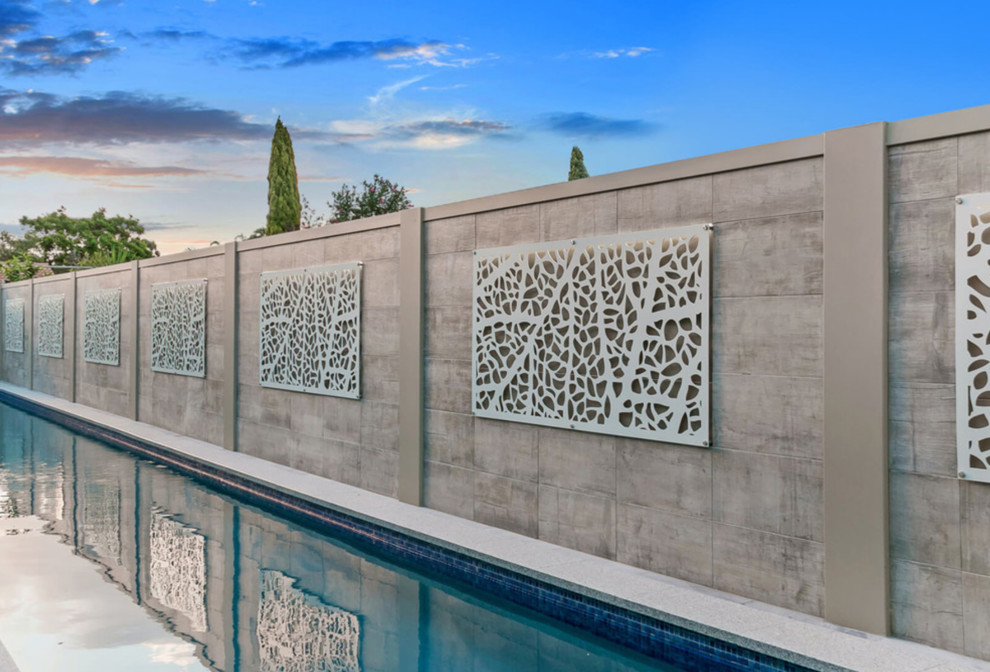
Exterior sound-absorbing panels are constructed from materials with porous or fibrous properties. These allow sound waves to enter the surface where the sound energy is dissipated as heat, rather than reflecting into the environment.
The science behind their function relies on sound absorption coefficients, material density, and panel thickness. Common materials include mineral wool, perforated metals, acoustic foams, and composite resins, often combined with weather-resistant finishes to ensure durability outdoors.
When installed, these panels can either be integrated into building façades, placed as freestanding barriers, or used within outdoor landscapes. Their efficiency improves when they are positioned strategically near noise sources, such as highways, machinery, or entertainment venues.
Benefits of Exterior Sound Absorbing Panels
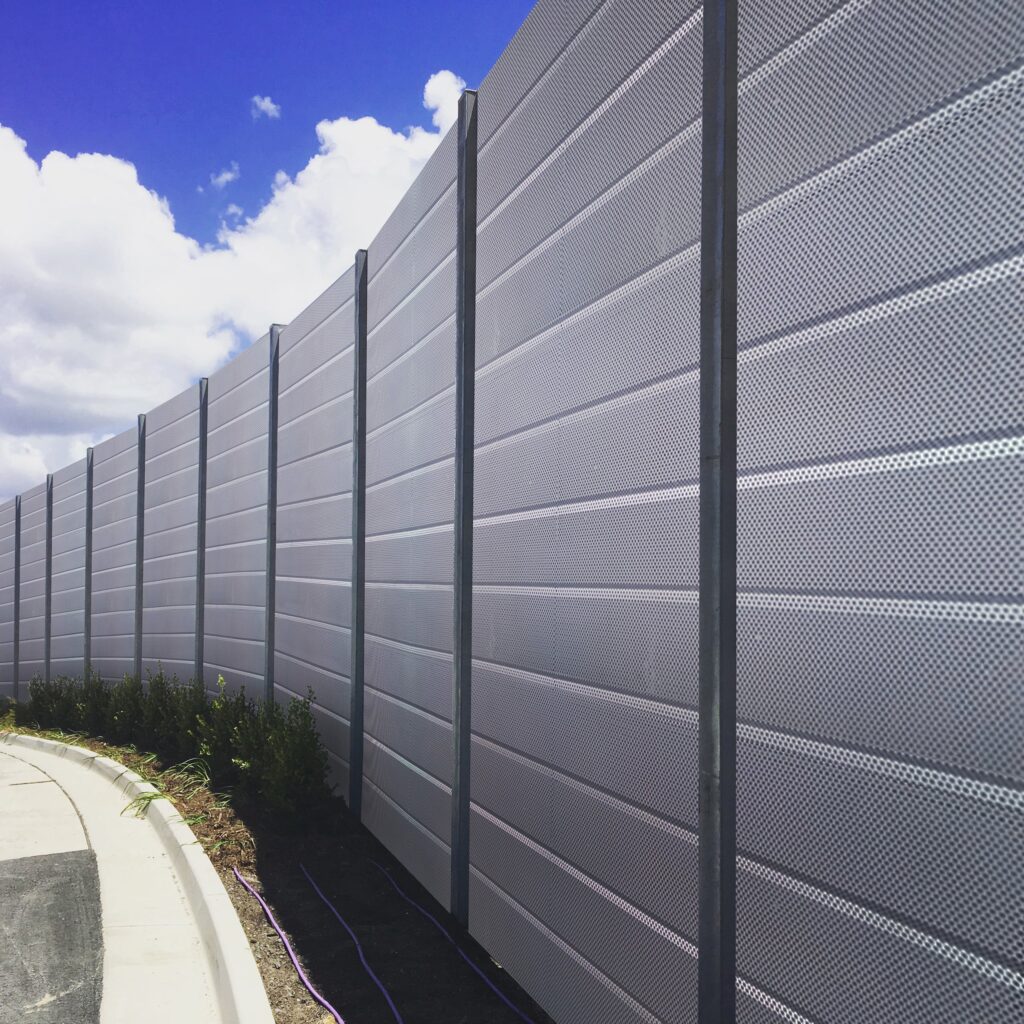
Noise Pollution Reduction
The most significant benefit of exterior sound-absorbing panels is their ability to reduce unwanted noise. For households near highways, airports, or train tracks, these panels make outdoor areas livable again. For businesses, they provide customers and employees with a more comfortable and productive environment.
Reducing noise not only improves quality of life but also helps prevent the negative health impacts associated with prolonged noise exposure, including stress, poor sleep, and decreased concentration.
Enhanced Outdoor Living and Comfort
Whether it’s a private garden, a rooftop lounge, or a restaurant patio, exterior sound-absorbing panels allow people to enjoy outdoor spaces without being overwhelmed by background noise. This makes them valuable for both homeowners and businesses that want to offer peaceful outdoor environments.
In the hospitality and entertainment industries, acoustic comfort translates into customer satisfaction and repeat visits, creating a direct link between sound management and business success.
Aesthetic Integration with Architecture
Unlike traditional barriers, modern acoustic panels are designed to complement architectural designs. They can be manufactured in various textures, colors, and patterns to blend seamlessly with buildings and landscapes.
This aesthetic versatility ensures they do not detract from the overall design but rather enhance it, making them a dual-purpose investment: functional and decorative.
Durability and Long-Term Investment
Exterior panels are designed for exposure to harsh weather, UV rays, and environmental wear. Advanced coatings protect against corrosion, mold, and fading, ensuring consistent performance over years of use.
This durability makes them cost-effective solutions, as they require minimal maintenance while providing long-term noise reduction.
Real-World Examples of Exterior Sound Absorbing Panels
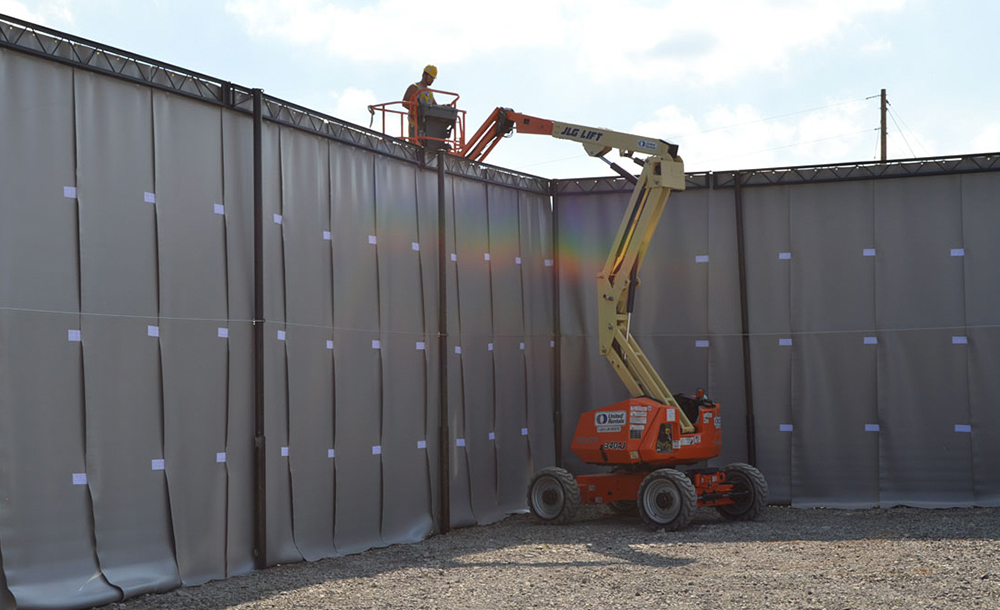
Example 1: Acoustiblok All-Weather Sound Panels
Acoustiblok is known for high-performance outdoor acoustic solutions. Their all-weather panels are engineered to resist rain, wind, and UV exposure. Widely used around construction sites, industrial facilities, and highways, they provide consistent noise reduction even in harsh conditions.
Their strength lies in combining advanced acoustic properties with structural resilience, making them suitable for both temporary and permanent installations.
Example 2: Quietstone Light Acoustic Panels
Quietstone Light panels are produced from recycled glass granules, creating a dense yet porous surface that excels in sound absorption. They are fire-resistant, durable, and available in decorative finishes, making them ideal for building exteriors.
Frequently used in schools, offices, and residential complexes, these panels serve both functional and design purposes. Their eco-friendly manufacturing process also appeals to sustainable construction projects.
Example 3: Echo Barrier H9 Acoustic Panels
Echo Barrier specializes in temporary acoustic barriers. The H9 model is lightweight, portable, and weatherproof, designed to manage noise from events, concerts, and construction sites.
Its portability makes it highly flexible, as panels can be installed quickly and relocated as needed. This adaptability is valuable for industries where noise sources shift frequently.
Example 4: Sonex Outdoor Acoustic Panels
Sonex panels are designed specifically for high-end outdoor applications. They combine acoustic efficiency with architectural style, making them popular for rooftop lounges, poolside areas, and luxury residential terraces.
Their unique advantage lies in balancing sound absorption with aesthetic appeal, enhancing both functionality and atmosphere in outdoor recreational spaces.
Practical Use Cases for Exterior Sound Absorbing Panels
Residential Applications
Homeowners near busy streets or airports often struggle with continuous noise pollution. Installing exterior sound-absorbing panels around property boundaries or outdoor living areas provides a much-needed buffer against external sounds.
These panels make backyards, gardens, and patios usable again, allowing residents to enjoy peaceful outdoor time without constant interruptions.
Commercial and Hospitality Settings
Restaurants, cafés, and hotels rely on creating pleasant atmospheres for guests. Exterior sound-absorbing panels ensure outdoor dining and leisure spaces remain quiet, enhancing customer satisfaction.
For businesses, this not only improves customer retention but also boosts their reputation as establishments that prioritize comfort.
Industrial and Construction Environments
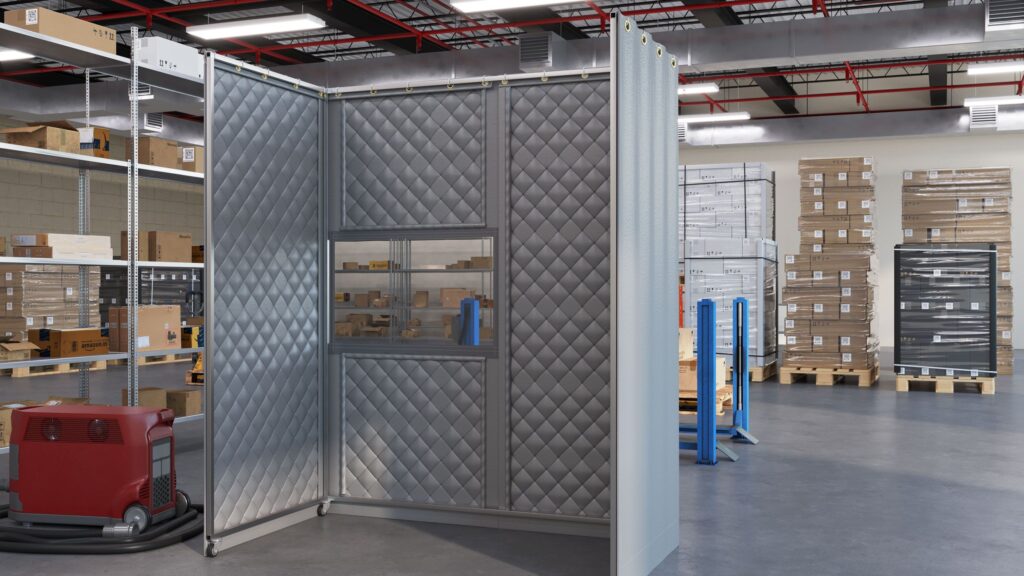
Factories, warehouses, and construction sites are often major sources of noise pollution. Acoustic panels placed around such facilities help comply with noise regulations and reduce community complaints.
Panels can also improve worker safety and productivity by creating less stressful environments, showing the dual benefits of compliance and employee well-being.
Public and Institutional Spaces
Parks, schools, and healthcare facilities benefit greatly from noise reduction. Exterior panels help maintain environments conducive to learning, healing, and relaxation.
For example, schools near highways can reduce classroom distractions, while hospitals can protect patient recovery spaces from disruptive external noise.
FAQs About Exterior Sound Absorbing Panels
1. Are exterior sound-absorbing panels different from soundproof barriers?
Yes. Sound-absorbing panels focus on reducing noise reflections and reverberation, while soundproof barriers block sound transmission. Often, a combination of both delivers the best results in outdoor noise control.
2. Can exterior sound-absorbing panels withstand extreme weather conditions?
High-quality panels are built with weather-resistant materials, including UV-stable coatings and corrosion-resistant finishes, allowing them to perform effectively in rain, sun, and temperature fluctuations.
3. How do I know which type of exterior sound-absorbing panel is right for my space?
The choice depends on the noise source, location, and intended use. For permanent installations, durable composite panels are ideal, while portable panels are better suited for temporary construction or event-related noise control.