Decorative Sound Panels – Complete Guide, Benefits, and Real-World Applications
In today’s world, where open spaces and modern interiors are highly valued, controlling noise has become increasingly important. Decorative sound panels offer the perfect solution by combining acoustic performance with visual appeal. They are designed to absorb unwanted sound, reduce echo, and enhance speech clarity, all while contributing to the overall aesthetics of a space.
Unlike plain acoustic treatments of the past, decorative panels come in a wide range of materials, colors, patterns, and finishes. This allows architects, interior designers, and homeowners to enhance the acoustic environment without compromising on style.
What Are Decorative Sound Panels?
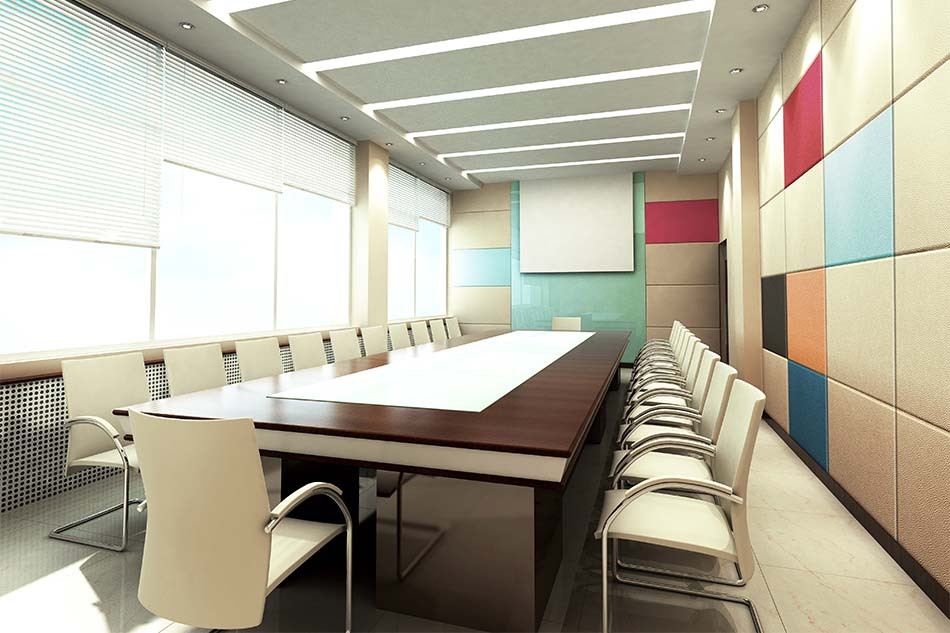
Decorative sound panels are sound-absorbing elements installed on walls or ceilings to manage acoustics in a room. They are made from materials such as mineral wool, fiberglass, or foam, all of which are effective at reducing reverberation and echo.
What sets them apart from traditional acoustic panels is their design. They often feature fabric wraps, printed graphics, wood finishes, or geometric patterns that make them a part of the décor. This dual function sound control and design enhancement makes them popular in offices, restaurants, schools, studios, and residential spaces.
Benefits of Decorative Sound Panels
Improved Acoustic Performance
The main benefit of decorative panels lies in their ability to manage sound. By absorbing mid to high-frequency noise, they reduce echo and reverberation, making conversations clearer and more comfortable. This is especially useful in large or open-plan spaces where sound tends to bounce around.
Aesthetic Enhancement
Unlike utilitarian acoustic solutions, decorative sound panels are designed to look beautiful. They can blend seamlessly into the interior design or serve as bold focal points. Whether you prefer minimalist fabric panels or artistic graphic prints, these panels elevate the look of any space while performing an important function.
Versatility in Applications
Decorative sound panels are not limited to one type of environment. They are equally useful in homes, offices, restaurants, auditoriums, recording studios, and classrooms. Their flexibility in design and performance makes them a go-to solution for architects and designers looking to address both form and function.
Boosting Productivity and Comfort
In workplaces, controlling noise helps reduce distractions, leading to improved concentration and productivity. In homes, decorative acoustic panels create a more comfortable living environment by minimizing disruptive sounds.
Real-World Examples of Decorative Sound Panels
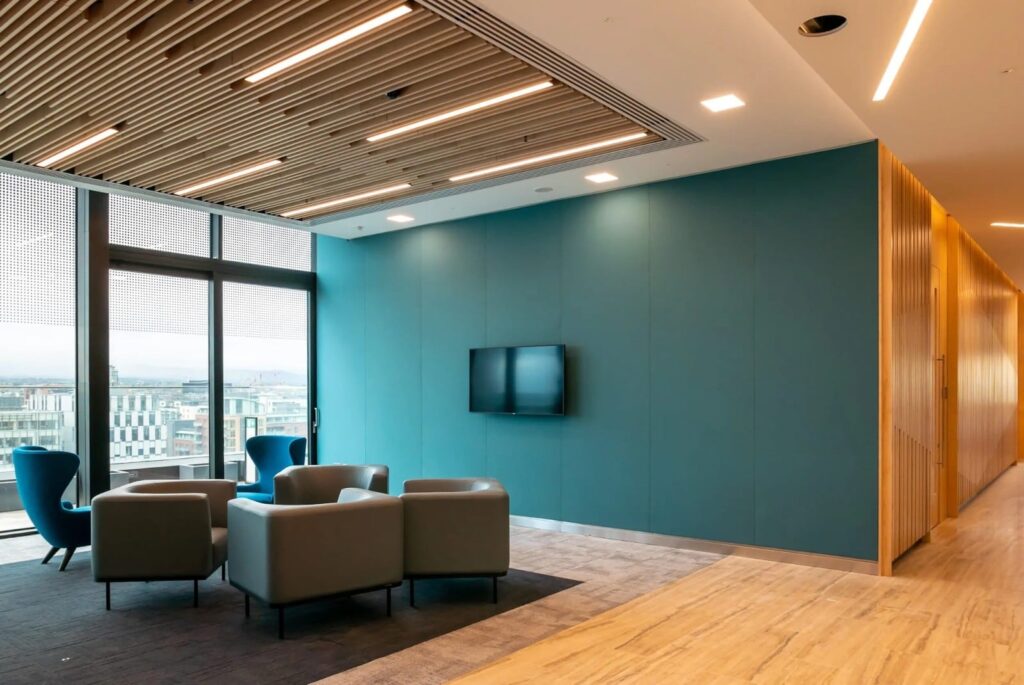
Example 1: Fabric-Wrapped Acoustic Panels
Fabric-wrapped panels are among the most common decorative acoustic solutions. They consist of a sound-absorbing core wrapped in acoustically transparent fabric that can be customized in terms of color, texture, or even printed graphics.
They are widely used in corporate offices, schools, and theaters where both acoustic quality and design flexibility are essential. Their clean look and customizable finishes make them suitable for virtually any interior style, from modern minimalism to bold, creative spaces.
Example 2: Wood Veneer Decorative Sound Panels
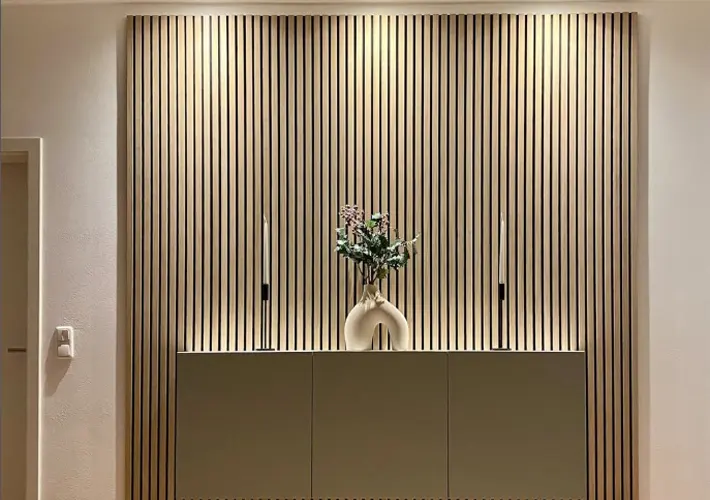
Wood veneer acoustic panels combine natural elegance with acoustic performance. They typically feature a perforated or slotted wood surface backed with sound-absorbing material.
These panels are ideal for spaces where a warm, natural look is desired—such as hotel lobbies, luxury homes, or high-end restaurants. The wood finish enhances interior aesthetics while effectively controlling echo, demonstrating how decorative panels can elevate both functionality and atmosphere.
Example 3: 3D Sculpted Acoustic Panels
3D sculpted panels stand out for their unique visual appeal. These panels often feature geometric shapes, wave-like textures, or bold artistic designs that double as wall art.
Beyond their aesthetic qualities, the textured surface provides additional sound absorption by scattering sound waves. They are perfect for creative workspaces, conference rooms, and residential living areas where design impact is as important as acoustic performance.
Example 4: Printed Graphic Acoustic Panels
Printed graphic panels allow full customization by incorporating images, logos, or artistic prints onto the surface. This makes them especially popular in schools, museums, theaters, and branding-focused corporate spaces.
For instance, a school auditorium may use panels printed with educational imagery, while a company office may choose branded designs. This fusion of art and acoustics makes the panels both functional and expressive.
Practical Use Cases for Decorative Sound Panels
Enhancing Office Productivity
Open-plan offices often struggle with noise issues due to constant conversations, ringing phones, and collaborative activities. Decorative sound panels help reduce background noise, leading to a quieter environment where employees can focus better.
By integrating decorative finishes, companies can also reinforce their brand identity while improving workplace comfort. The dual purpose of sound absorption and design makes them a smart investment for modern offices.
Improving Home Entertainment Spaces
Home theaters and entertainment rooms benefit greatly from acoustic treatment. Decorative sound panels minimize sound reflections, ensuring clearer dialogue and richer audio experiences.
Rather than plain black panels, homeowners can choose designs that complement their interior décor, making their entertainment areas both functional and visually appealing.
Creating Comfortable Dining Experiences
Restaurants often face the challenge of excessive noise, making conversations difficult and diminishing the overall dining experience. Decorative acoustic panels help manage sound without compromising the ambiance.
Stylish fabric, wood, or graphic panels can enhance the design theme of the restaurant while ensuring patrons enjoy their meals in comfort.
Supporting Educational Environments
In classrooms, good acoustics are critical for learning. Excessive noise can make it difficult for students to concentrate and for teachers to be heard clearly. Decorative sound panels solve this issue while creating an engaging, visually attractive learning environment.
Whether installed in lecture halls or music rooms, these panels improve speech clarity and help foster better communication between teachers and students.
Why Decorative Sound Panels Are a Smart Choice

Decorative sound panels provide more than just noise control. They improve comfort, enhance aesthetics, and contribute to the functionality of spaces where acoustics matter. Their adaptability makes them suitable for a wide range of settings, from residential interiors to large commercial venues.
By merging technology with design, these panels exemplify how modern solutions can address practical problems while elevating overall experiences.
Frequently Asked Questions
1. Do decorative sound panels really work for noise control?
Yes. Decorative sound panels are specifically designed to absorb sound waves, reduce echo, and improve clarity. Their decorative finishes do not compromise their acoustic performance, making them effective and stylish.
2. Can I customize the look of decorative sound panels?
Absolutely. Many manufacturers offer fabric, wood, graphic prints, or 3D sculpted designs. This allows you to match the panels to your interior design or even create unique, branded visuals.
3. Where are decorative sound panels most commonly used?
They are used in offices, schools, restaurants, theaters, recording studios, and homes. Essentially, any space where both noise reduction and design are important can benefit from decorative acoustic panels.