Kitchen Renovation Costs: Complete Guide with Insights, Benefits, and Examples
The kitchen is often considered the heart of the home, and renovating it can significantly increase both functionality and property value. However, understanding kitchen renovation costs is essential before starting such a project. Costs vary widely depending on design choices, materials, labor, and location.
A well-planned renovation ensures you maximize investment without unnecessary overspending. From budget-friendly updates to high-end luxury remodels, homeowners must weigh every detail. Knowing what influences costs helps avoid surprises and ensures smooth project execution.
Factors Influencing Kitchen Renovation Costs
Size and Layout of the Kitchen
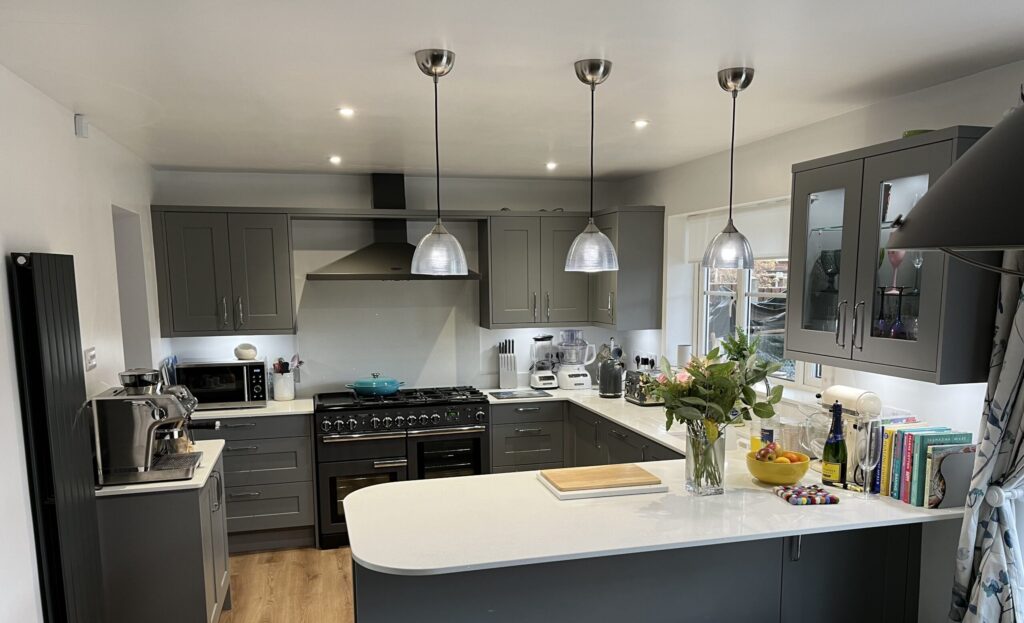
The overall size directly impacts renovation costs. Larger kitchens require more materials, cabinetry, flooring, and lighting. Additionally, if the renovation involves reconfiguring the layout, such as moving plumbing or walls, the cost rises significantly due to structural and labor demands.
Materials and Finishes
Materials like countertops, cabinets, and flooring account for a large portion of expenses. For instance, granite or quartz countertops cost more than laminate, while custom cabinetry exceeds stock options. The choice of finishes from premium faucets to lighting fixtures also adds to the total investment.
Core Elements That Define Kitchen Renovation Costs
Cabinetry and Storage Solutions
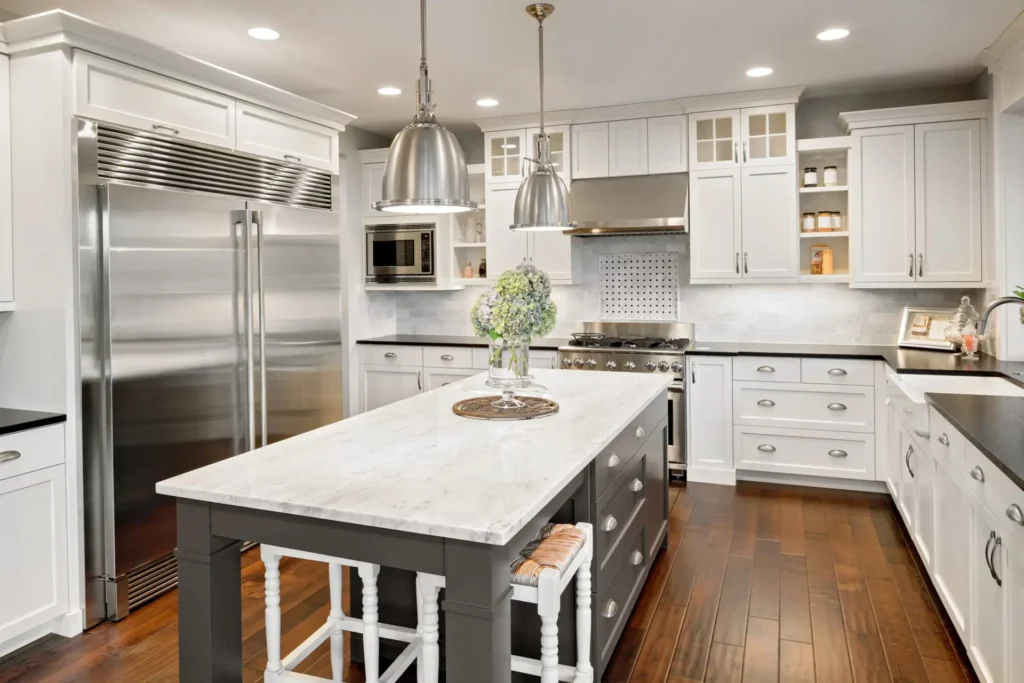
Cabinetry is often the most expensive component of a kitchen renovation. Custom solutions cost more but maximize space, functionality, and design. Stock or semi-custom cabinets are more affordable but may offer fewer personalization options.
Appliances and Fixtures
Appliances like refrigerators, ovens, and dishwashers can consume a large part of the budget. Energy-efficient models may cost more upfront but deliver long-term savings. Fixtures, including sinks and faucets, also add to costs but play a crucial role in usability and aesthetics.
Flooring, Lighting, and Countertops
Flooring materials such as hardwood, ceramic tile, or luxury vinyl vary in cost and durability. Lighting upgrades, especially recessed or under-cabinet fixtures, enhance both design and function. Countertops are a major cost driver, with options ranging from cost-effective laminate to high-end marble or quartz.
Benefits of Technology in Reducing and Managing Costs

3D Visualization and Virtual Design Tools
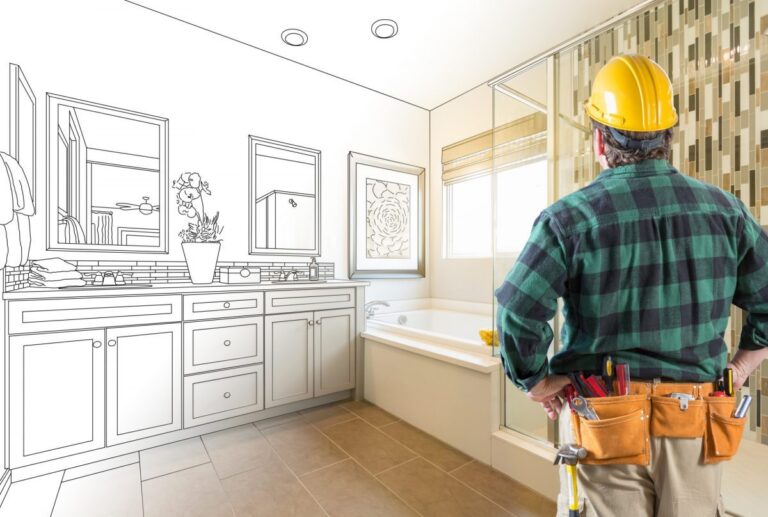
Contractors use 3D modeling and visualization software to provide homeowners with accurate previews of their renovated kitchen. This reduces design mistakes, allowing changes before construction begins, saving both time and money.
Smart Appliances and Energy Efficiency
Incorporating technology like smart refrigerators, induction cooktops, or energy-efficient dishwashers may initially raise renovation costs but reduce long-term energy bills. These upgrades balance initial investment with sustainable savings.
Project Management Platforms
Digital tools allow homeowners and contractors to track expenses, monitor project timelines, and adjust budgets in real-time. These platforms reduce miscommunication and prevent cost overruns.
Real-World Examples of Kitchen Renovation Projects

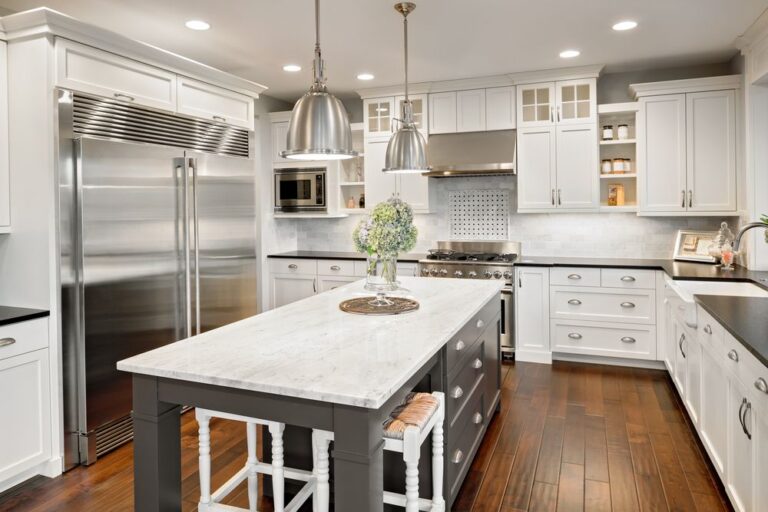
Luxury kitchen remodel with marble island and pendant lights
High-End Urban Kitchen
A homeowner in a metropolitan city invested in a high-end kitchen remodel, including marble countertops, custom cabinets, and smart appliances. The project cost was significant, but it boosted property value and provided long-term durability. This example highlights how upscale materials influence total expenses.
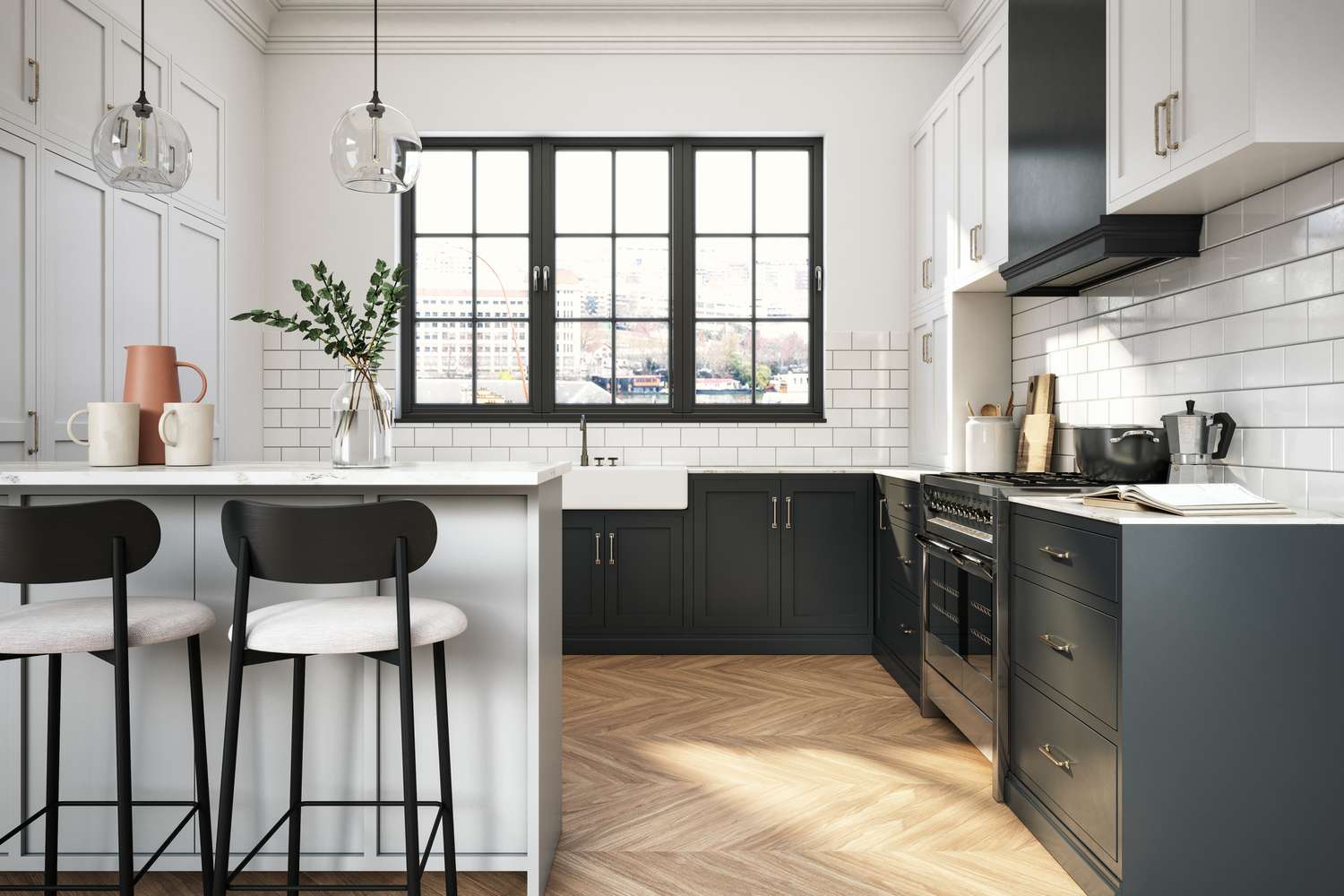
Mid-range suburban kitchen upgrade with quartz countertops
Suburban Family Kitchen
In a suburban home, contractors completed a mid-range kitchen renovation with quartz countertops, semi-custom cabinets, and new flooring. This project balanced affordability and style, demonstrating how smart material choices can reduce costs while delivering modern functionality.
Compact apartment kitchen with minimalist storage
Compact Apartment Kitchen
For a small apartment, the renovation focused on space-saving cabinetry, laminate countertops, and energy-efficient appliances. The cost was relatively low, yet the project significantly improved functionality and aesthetics for urban living.
Eco-friendly kitchen with bamboo flooring and recycled countertops
Eco-Friendly Kitchen Upgrade
Another real-world project incorporated sustainable materials such as bamboo flooring, recycled glass countertops, and energy-efficient appliances. Although upfront costs were higher, the long-term benefits included reduced utility bills and a lower environmental footprint.
Advantages of Understanding Kitchen Renovation Costs
Better Budget Planning
Knowing cost drivers allows homeowners to prioritize what matters most, whether it’s cabinets, countertops, or appliances. Clear budget planning prevents overspending and ensures investments align with lifestyle needs.
Maximizing Value for Resale
Understanding cost-effective upgrades can maximize return on investment. For instance, mid-range kitchen remodels often deliver the highest resale value without excessive upfront spending.
Stress-Free Renovation Process
When homeowners are aware of potential costs upfront, they experience fewer surprises. This leads to smoother communication with contractors and a more enjoyable renovation process.
Practical Use Cases of Kitchen Renovation Costs
Solving Functional Problems
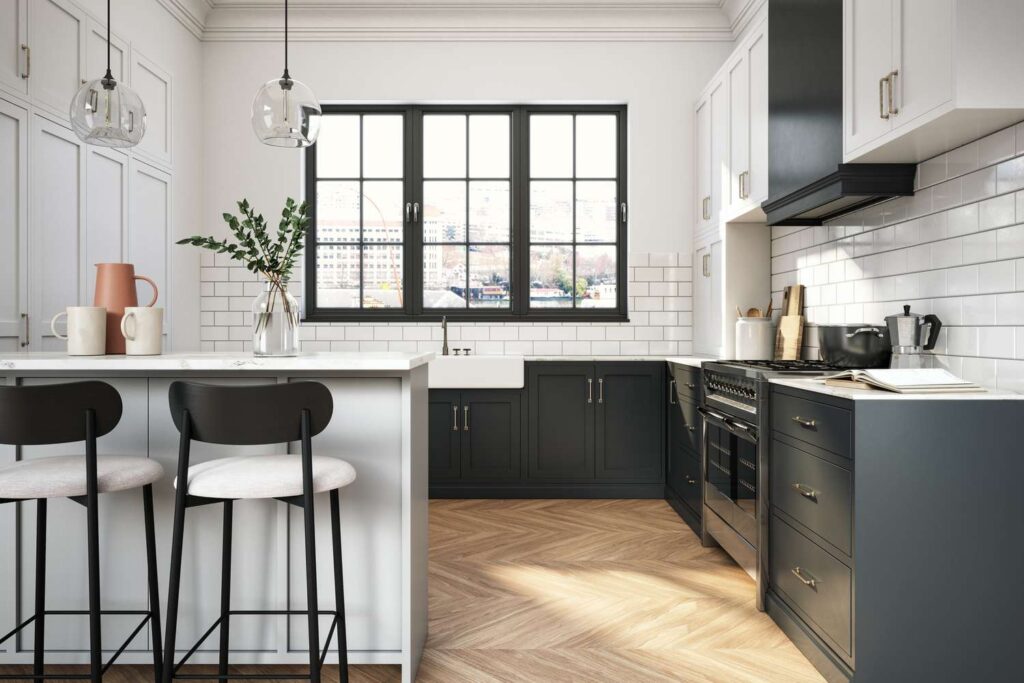
Outdated kitchens often lack storage, efficient layouts, or modern appliances. Renovation costs address these issues, providing practical solutions for daily living.
Adapting to Lifestyle Needs
Families may need larger kitchens for gatherings, while singles in urban apartments may prioritize compact yet efficient layouts. Renovation budgets reflect these unique needs, balancing cost with function.
Enhancing Home Aesthetics and Comfort
Costs tied to finishes, lighting, and layouts transform a kitchen into a centerpiece of the home. These investments create enjoyable, comfortable spaces that support cooking, dining, and entertaining.
Long-Term Savings Through Efficiency
While certain upgrades raise upfront renovation costs, they provide long-term benefits. Energy-efficient appliances, durable materials, and improved insulation reduce ongoing expenses and extend the lifespan of the renovation.
Frequently Asked Questions
What is the average cost of a kitchen renovation?
Kitchen renovation costs vary widely based on size, materials, and location. Small projects may cost less, while high-end remodels can require significant investment. The average range covers budget, mid-tier, and luxury renovations.
How can I reduce kitchen renovation costs without compromising quality?
Homeowners can save by selecting cost-effective materials, using stock cabinetry, and reusing existing layouts. Strategic upgrades, such as quartz instead of marble, provide both durability and style at a lower price.
Do technology and smart appliances increase renovation costs?
Yes, smart appliances and energy-efficient systems often increase upfront expenses. However, they reduce long-term costs through lower energy consumption and longer lifespan, making them a worthwhile investment.